
Coal Gasification Scheme: Cabinet Approves ₹37,500 Crore Plan

The Union Cabinet has approved the Coal Gasification Scheme with a total outlay of ₹37,500 crore. The scheme aims to promote surface coal and lignite gasification projects across India. It will support clean energy production, reduce import dependence, and create new industrial opportunities in the country.
Thank you for reading this post, don't forget to subscribe!What is Coal Gasification Scheme?
The Coal Gasification Scheme focuses on converting coal and lignite into synthesis gas, also known as syngas. This gas mainly contains hydrogen, carbon monoxide, methane, carbon dioxide, and water vapour.
Syngas is used for making chemicals, fertilisers, fuels, and industrial gases. The government plans to encourage new gasification plants through financial support and competitive bidding.
Key Features of Coal Gasification Scheme
The scheme aims to gasify around 75 million tonnes of coal and lignite through upcoming projects. It is also expected to attract investments worth ₹2.5 lakh crore to ₹3 lakh crore and generate nearly 50,000 jobs.
Some major highlights include:
- Financial incentive up to 20% of plant and machinery cost
- Maximum incentive of ₹5,000 crore for each project
- Incentive limit of ₹9,000 crore for each product category
- Incentive cap of ₹12,000 crore for one entity group
- Funds will be released through milestone-based payments
The government has also set a national coal gasification target of 100 million tonnes by 2030.
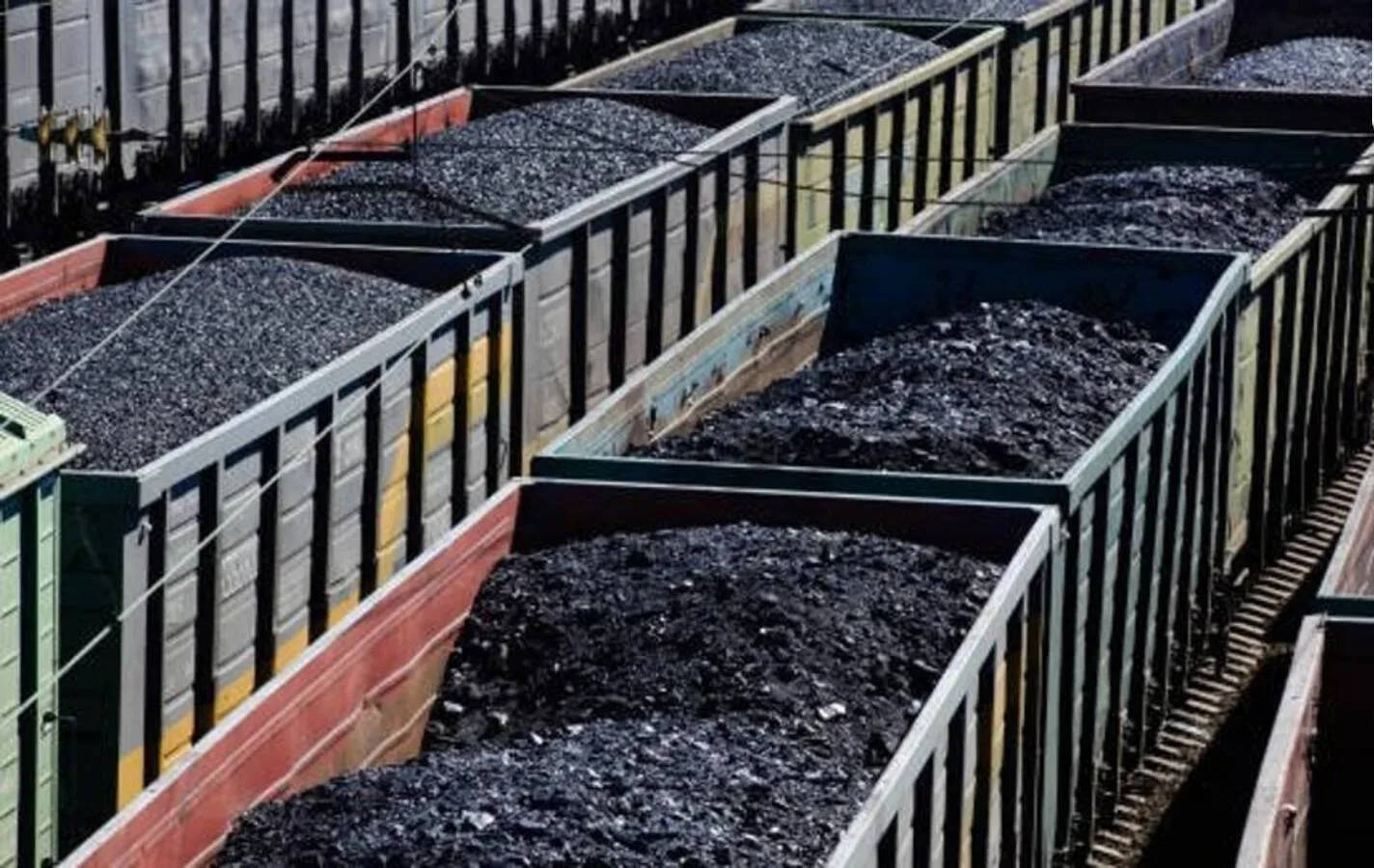
Role of Coal Gasification in Energy Security
India imports a large amount of liquefied natural gas, methanol, ammonia, and urea every year. The Coal Gasification Scheme can help reduce these imports by producing synthetic natural gas, methanol, and ammonia within the country.
These products are important for the fertiliser, chemical, and energy industries. The scheme is expected to strengthen India’s energy security and support domestic manufacturing.
Technology and Policy Support
The Coal Gasification Scheme is technology-neutral and supports both foreign and indigenous technologies. The government has also extended coal linkage tenure to 30 years for non-regulated sectors.
This long-term coal supply arrangement will help industries invest confidently in gasification projects.
Coal Gasification Process Explained
Coal gasification is a high-temperature process where coal or lignite reacts with limited oxygen and steam. Instead of burning completely, the coal gets converted into syngas.
Lignite, which has higher moisture content than bituminous coal, can also be used in this process. The produced syngas can later be converted into fuels, chemicals, and fertiliser raw materials.
Industrial Importance of Coal Gasification Scheme
The Coal Gasification Scheme will support industries such as fertilisers, chemicals, power generation, and synthetic fuel production. It can also help in integrated gasification combined cycle systems for efficient energy generation.
The scheme is expected to play an important role in India’s long-term industrial fuel strategy and economic growth.