



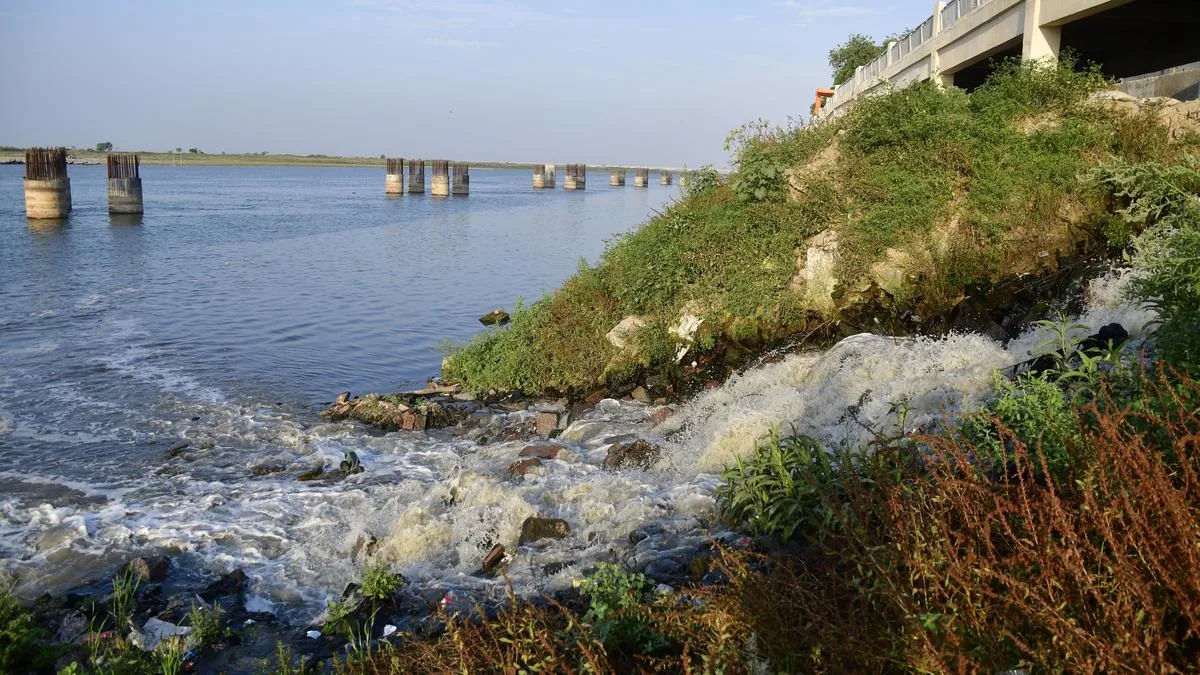
Damanganga Pollution Control Steps Begin with Strong Measures

Damanganga Pollution Control Steps have been introduced by the government to improve the water quality of the Damanganga river. The focus is on strict industrial compliance and better pollution control systems. According to the Gujarat Pollution Control Board, technical corrective actions are already in progress. However, earlier directions from the National Green Tribunal are currently stayed by the Supreme Court.
Thank you for reading this post, don't forget to subscribe!Action Against Polluting Industries
Under the Damanganga Pollution Control Steps, strict action is being taken against industries that violate environmental rules. The Gujarat Pollution Control Board is issuing closure notices and applying fines based on the polluter pays principle. These steps ensure that industries take responsibility for pollution. The board also organizes Open House sessions and Environmental Clinics to help industries follow eco-friendly practices.
Seasonal Plans to Control Pollution
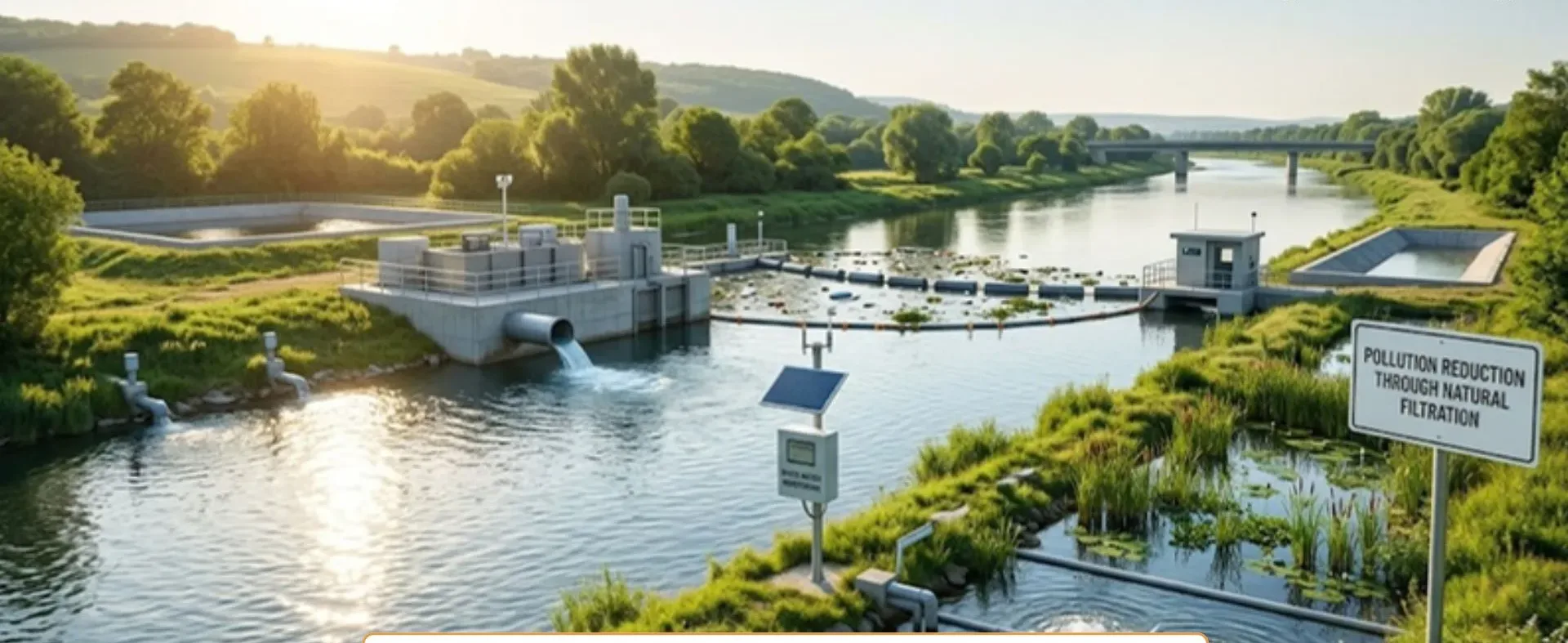
Season-based strategies are part of the Damanganga Pollution Control Steps to handle pollution more effectively. In winter, industries must follow stricter emission rules because pollution spreads less in cold weather. Measures include regular monitoring and proper maintenance of equipment. During the monsoon, the focus shifts to controlling water pollution by improving effluent treatment, managing stormwater, and ensuring safe chemical storage.
Effluent Treatment and Water Reuse
Effluent management is a key part of the Damanganga Pollution Control Steps. While Zero Liquid Discharge is not required for all industries in India, industries in Dadra and Nagar Haveli and Daman and Diu must follow it. They need to install Effluent Treatment Plants and reuse treated water within their premises. This helps reduce waste discharge into the river.
National Efforts to Protect Rivers
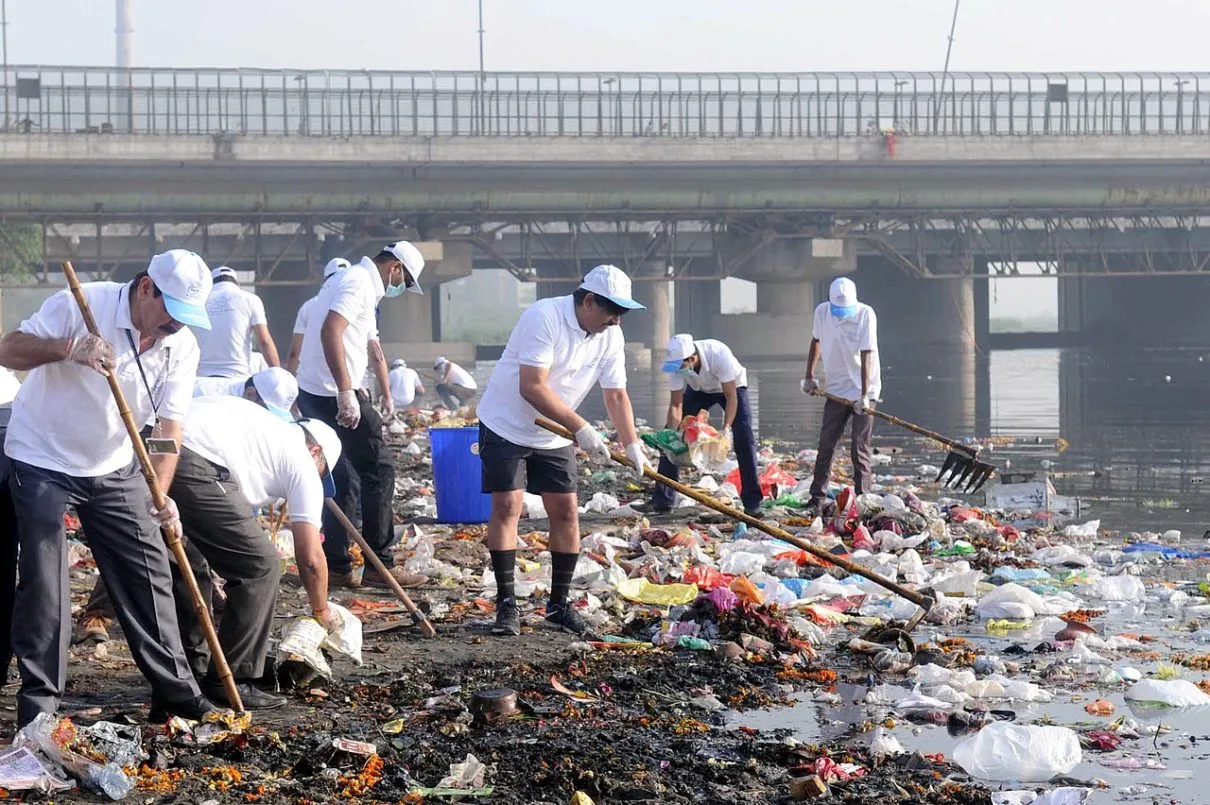
The government is also supporting river cleaning through the National River Conservation Plan. This program helps states set up sewage treatment plants, improve sewer systems, and develop riverfront areas. These projects aim to reduce pollution and protect river ecosystems across the country.