



Devon Island Mars Analog Helps Scientists Study Life on Mars

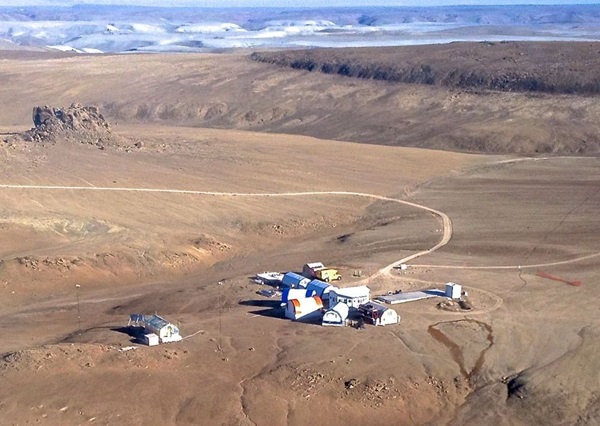
Devon Island Mars Analog is becoming a key research site for scientists exploring how humans can live on Mars. Located in Nunavut, Canada, this remote Arctic island is the largest uninhabited island in the world. Its cold, dry, and empty landscape closely matches the harsh conditions found on the Red Planet.
Why Devon Island Looks Like Mars
Devon Island is known as one of the most Mars-like places on Earth. It is a polar desert with freezing temperatures, very little rainfall, and almost no plant life. One of its most important features is the Haughton Impact Crater, which is about 20 kilometres wide. This crater was formed by a meteorite and has a rocky, barren surface similar to Mars.


Devon Island Mars Analog Testing New Space Technologies
Scientists from NASA and other research groups use this island to test new technologies for future Mars missions. These include advanced rovers, drones, and drilling machines designed to find water beneath the surface. Since Mars is far from Earth, these tools must work perfectly without repair. Devon Island’s extreme conditions help researchers check if the equipment can survive and perform well.
Studying Human Survival and Food Growth
The island is also used to study how humans might live on Mars. One important project is the Arthur Clarke Mars Greenhouse, where scientists test how plants can grow in soil similar to Mars. Researchers also run simulation missions to understand how astronauts deal with isolation, stress, and long periods away from Earth.
Learning About Life in Extreme Conditions
Scientists are studying tiny organisms on the island to learn how life can survive in extreme environments. In the Haughton Crater, some microorganisms live inside rocks to protect themselves from strong ultraviolet radiation. This process is called Endolithic colonization. These findings help scientists understand where to search for signs of life on Mars.