ISM 2.0 India Chip Mission Strengthens Self-Reliance

ISM 2.0 India Chip Mission is gaining attention as India takes stronger steps to build its own semiconductor industry. With rising demand for electronic devices, automobiles and digital systems, the country is focusing on reducing dependence on imported chips. The upgraded mission is part of a wider plan to create a complete semiconductor ecosystem within India.
Thank you for reading this post, don't forget to subscribe!Semiconductors are special materials used to make chips that power everyday devices like smartphones, computers, electric vehicles and communication systems. They also play an important role in defence equipment and space technology. Because of this, building local chip production has become a priority for the country.
ISM 2.0 India Chip Mission and Its Background
The India Semiconductor Mission was first launched in 2021 under the Ministry of Electronics and Information Technology. It was created to guide and support the growth of semiconductor and display manufacturing in India. With ISM 2.0, the government is strengthening this effort by improving policies, funding support and industry partnerships.
The mission works as a central body that coordinates projects related to chip production. It supports different parts of the industry, including fabrication units, display manufacturing and other related facilities. The goal is to create a strong foundation that can support long-term growth in electronics manufacturing.
ISM 2.0 India Chip Mission and the Semiconductor Ecosystem
The semiconductor industry is made up of several stages, and ISM 2.0 aims to develop all of them within the country. The process begins with chip design, followed by fabrication, and then moves to assembly, testing and packaging.
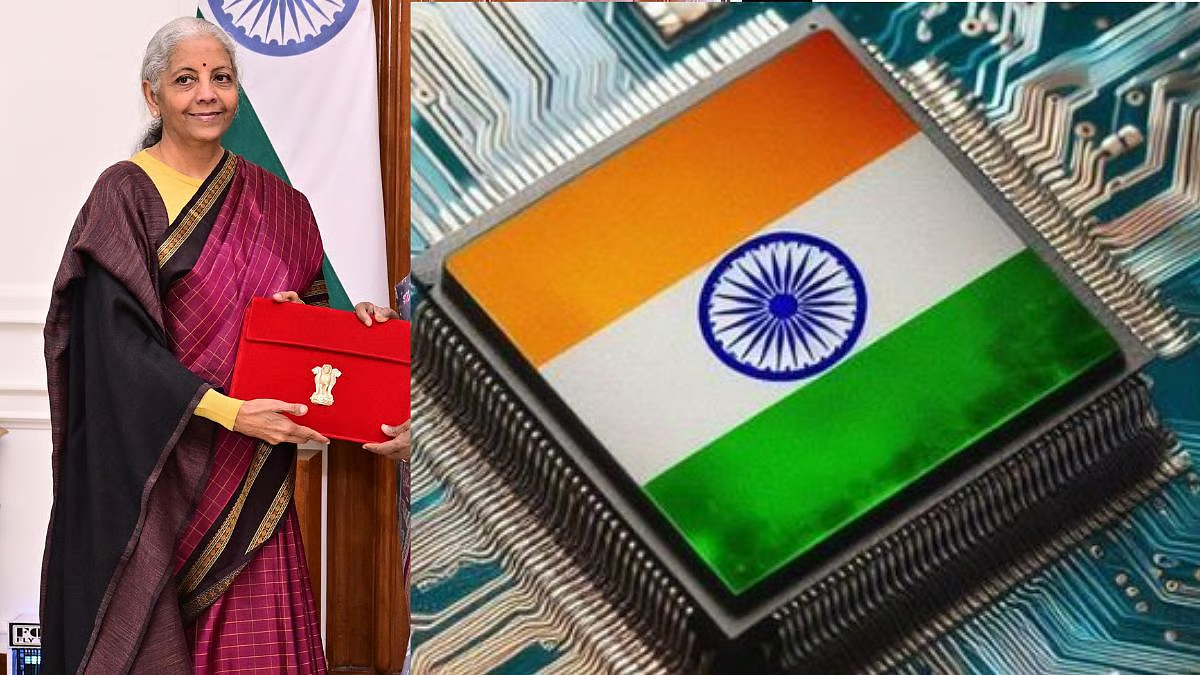
Chip fabrication is one of the most complex steps. It requires advanced technology, ultra-clean environments and high-quality materials like silicon wafers. Special machines are used to create tiny circuits on chips, which later become the brain of electronic devices.
After fabrication, chips go through assembly, testing, marking and packaging. These steps are often grouped under terms like ATMP and OSAT in the industry. They ensure that chips are ready for use in different products and meet quality standards.
ISM 2.0 India Chip Mission Supports Growing Demand
India has seen rapid growth in electronics manufacturing over the past few years. The country is now producing large numbers of mobile phones, consumer electronics and industrial devices. This growth has increased the demand for semiconductors.
By developing its own chip industry, India can reduce import costs and avoid supply disruptions. This became especially important after global chip shortages affected many industries. ISM 2.0 aims to make the supply chain more stable and reliable.
ISM 2.0 India Chip Mission and Industrial Development
Building a semiconductor industry is not easy. It requires huge investment, steady electricity, large amounts of clean water and skilled workers. ISM 2.0 focuses on creating the right environment for companies to set up manufacturing units.
The mission also encourages partnerships between Indian and global companies. This helps bring advanced technology and knowledge into the country. Over time, it is expected to create jobs, boost innovation and support economic growth.
ISM 2.0 India Chip Mission and Strategic Importance
Semiconductors are not just used in everyday gadgets. They are also important for sectors like defence, space research and automotive technology. Modern vehicles, satellites and communication systems depend heavily on advanced chips.
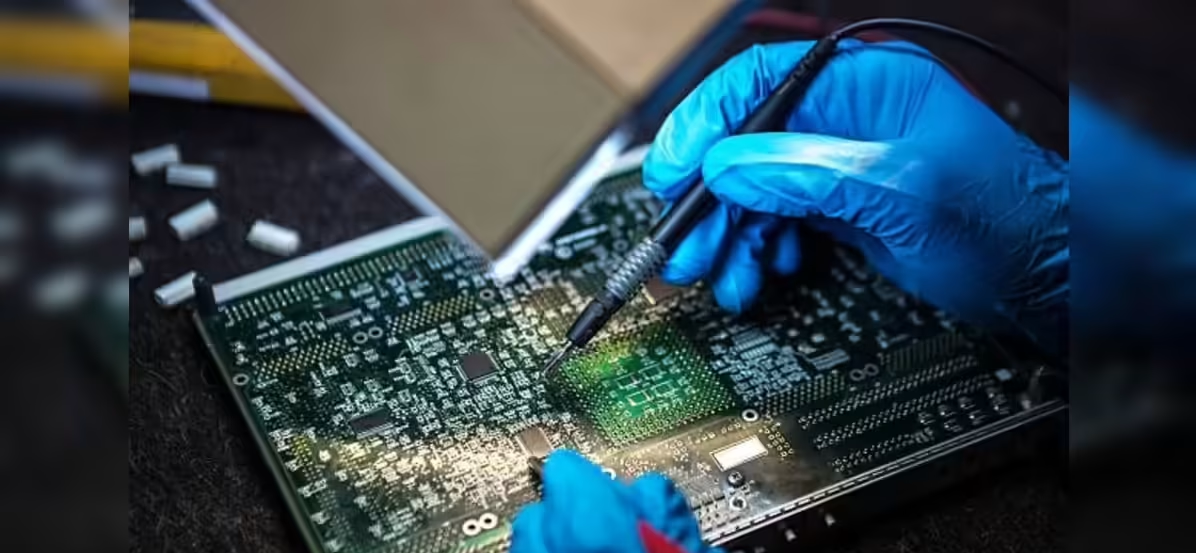
By producing chips locally, India can strengthen its position in these critical areas. It also improves national security by reducing reliance on foreign suppliers for important technologies.
ISM 2.0 India Chip Mission and Future Outlook
With ISM 2.0, India is moving toward becoming a key player in the global semiconductor market. The mission aims to build a complete ecosystem from design to production within the country.
As demand for digital devices continues to grow, having a strong semiconductor base will be essential. ISM 2.0 India Chip Mission represents a major step in that direction, helping India move closer to technological independence while supporting innovation and industry growth.