Formula 1 Revival Task Force Formed

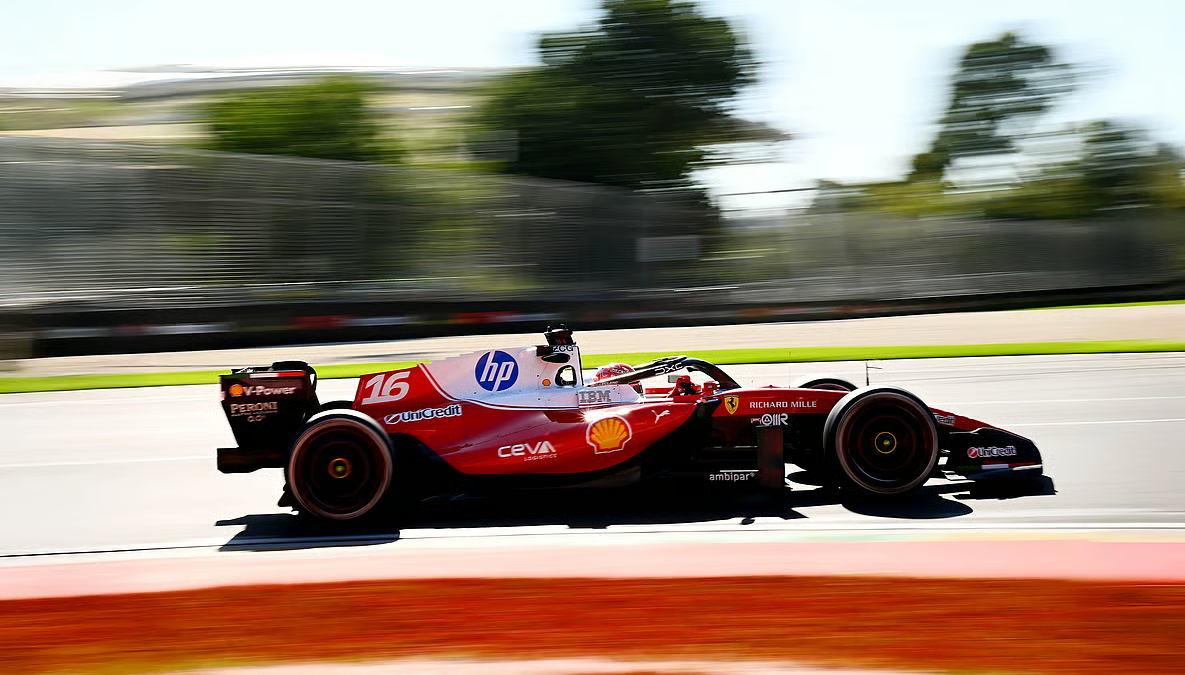
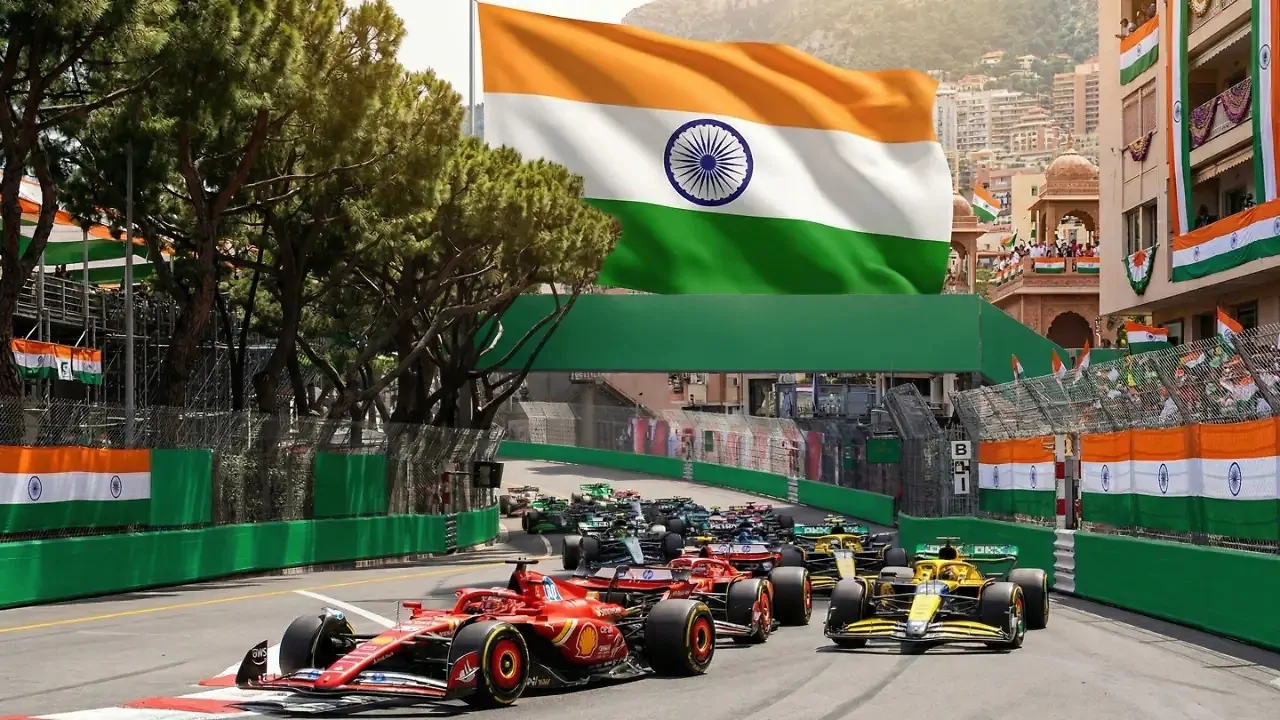
Formula 1 Revival plans in India have received a fresh push after the Sports Ministry formed a 10-member Task Force on September 15, 2026. The panel will study whether Formula 1 and other motorsports can be developed again in the country, including the possibility of bringing a Formula 1 race back to India by 2028.
Thank you for reading this post, don't forget to subscribe!The Task Force will examine several issues that could affect the return of the global racing event. These include taxation, government policies, racing infrastructure, investment opportunities and possible partnerships between the government and private companies.
Formula 1 Revival Plans for India
The formation of the Task Force comes years after India hosted its last Formula 1 Grand Prix. The country held Formula 1 races at the Buddh International Circuit in Greater Noida, Uttar Pradesh, from 2011 to 2013.
Formula 1 is the top level of international single-seater motor racing and is governed by the Fédération Internationale de l’Automobile, commonly known as the FIA. The sport has a large global audience and attracts major international brands, teams, drivers and sponsors.
The new Formula 1 Revival initiative will look at what is needed to create suitable conditions for the sport to return. The proposed target is to explore the possibility of hosting a race in India by 2028.
10-Member Task Force
The 10-member panel will be chaired by Yugal Kishore Joshi, Programme Director and Adviser at NITI Aayog. Representatives from several government departments and state governments are part of the Task Force.
Officials from the Sports, Commerce, Tourism and Revenue departments will participate in the panel. Representatives from the governments of Uttar Pradesh and Maharashtra will also be involved.
The Task Force also includes representatives associated with the Federation of Motor Sports Clubs of India, Buddh International Circuit and Madras International Circuit. Their participation brings together government, motorsport and racing-infrastructure perspectives.
The panel will study the existing challenges and prepare recommendations for the development of motorsports in India.
Why India’s Earlier Formula 1 Race Ended
India hosted its first Formula 1 Grand Prix in 2011 at the Buddh International Circuit. The event continued for three years, with the final Indian Grand Prix held in 2013.
Taxation and policy-related issues were among the challenges connected with the event. The new Task Force will examine these issues again to understand what changes may be required if Formula 1 returns.
The review will also consider how government policies can support motorsports over the longer term. Instead of looking only at a single Formula 1 event, the panel is expected to examine a broader framework for the growth of the motorsports sector.
Buddh International Circuit
The Buddh International Circuit in Greater Noida remains an important part of discussions around a possible Formula 1 Revival in India. The permanent circuit hosted the Indian Grand Prix from 2011 to 2013.
The circuit was designed to meet international racing standards and became India’s main Formula 1 venue during that period. Its location in Uttar Pradesh also connects the proposed revival discussion with the state’s existing sports and infrastructure facilities.
The Task Force includes representatives associated with the circuit, which could help assess its current condition, possible upgrades and suitability for future international motorsport events.
Madras International Circuit
The Madras International Circuit, also known as the Madras Motor Race Track, is another major motorsports venue in India. It is located near Chennai in Tamil Nadu and has hosted different national and international motorsport activities.
Its inclusion in the Task Force indicates that the review will not be limited to Formula 1 alone. The panel will also consider the wider development of motorsports infrastructure and opportunities for different forms of racing in India.
Developing more racing venues could support drivers, teams, training programmes, competitions and other activities connected with the motorsport industry.
Focus on Tax and Policy Changes
Taxation is expected to be one of the major areas examined by the Task Force. The earlier Formula 1 event faced difficulties related to taxation and the classification of the sport and its activities.
The new review will consider possible policy interventions that could make it easier to organise major international motorsport events. This could involve coordination between central and state authorities as well as clearer rules for event organisers and international partners.
The aim is to create a framework that can support motorsports while addressing financial and administrative concerns.
Public-Private Partnership Possibilities
The Formula 1 Revival plan may also examine Public-Private Partnership (PPP) models. Under a PPP arrangement, government bodies and private companies work together on infrastructure or services.
For motorsports, such partnerships could potentially involve racing circuits, event facilities, hospitality infrastructure, transport connections and other supporting services.
The Task Force will study possible partnership models and determine how government and private investment could contribute to motorsports development.
Tourism and Economic Opportunities
A Formula 1 race can involve much more than the race itself. Large international sporting events can bring visitors, teams, media organisations, sponsors and other participants to the host location.
The Task Force will therefore examine the possible economic and tourism impact of bringing Formula 1 back to India. A major international race could create demand for hotels, transport, restaurants, event services and other businesses around the host city.
The panel will also consider how motorsports could contribute to India’s wider sports and tourism ecosystem.
Wider Growth of Motorsports
The current Formula 1 Revival discussion is also connected with the wider growth of motorsports in India. The country has a growing community of racing drivers, teams, manufacturers and motorsport organisations.
A stronger motorsports framework could support racing at different levels, from grassroots competitions to professional international events. Better infrastructure and organised policies could also create opportunities for training, technology development and investment.
The Task Force will assess these wider possibilities while examining the practical requirements for hosting a future Formula 1 event.
Target for 2028
The proposed 2028 timeline gives the government and other stakeholders a period to examine the challenges involved and develop possible solutions. The Task Force will study infrastructure, taxation, policy, partnerships and economic opportunities before making its recommendations.
For now, the formation of the panel marks a formal step toward examining the possibility of bringing Formula 1 back to India after its last race in 2013. Its recommendations will help determine the framework and requirements for any future international motorsport event in the country.