Free HPV Vaccination for Girls: India’s Big Step Toward Preventing Cervical Cancer

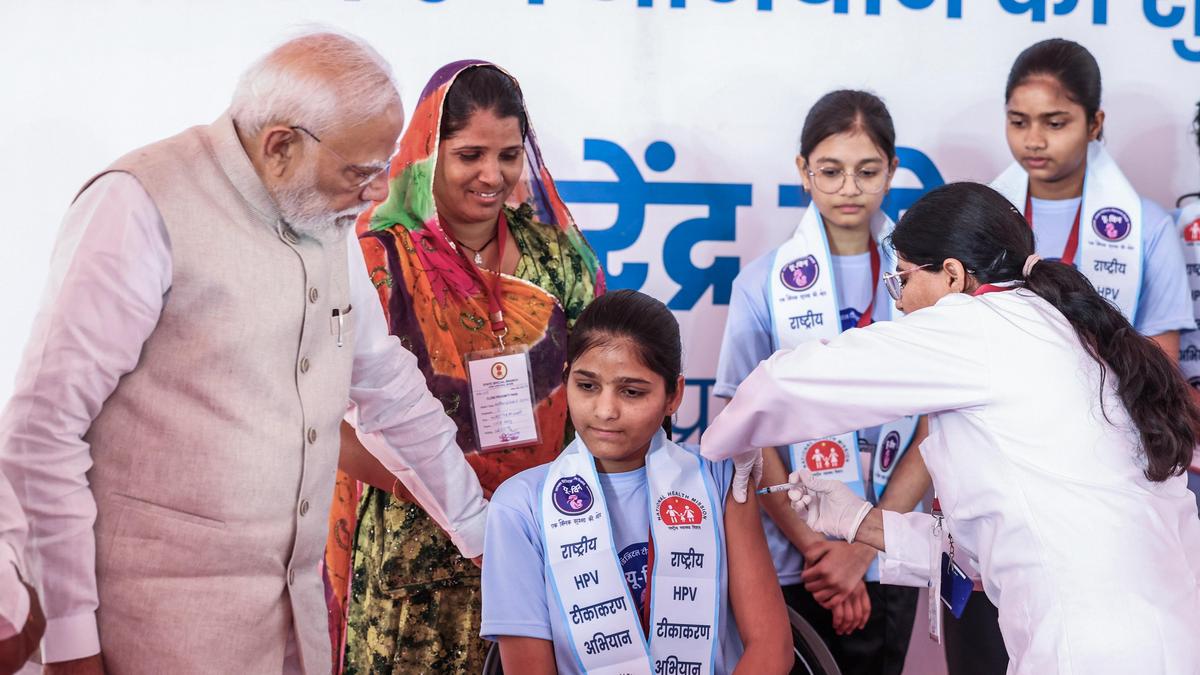
India is preparing to take a major public health step with the launch of Free HPV Vaccination for Girls, a nationwide programme announced by the Union Health Ministry. The initiative focuses on protecting young girls from Human Papillomavirus (HPV), the leading cause of cervical cancer. Under this programme, 14-year-old girls will be offered the HPV vaccine free of cost at government health facilities. The vaccination will be completely voluntary, ensuring that families can make informed choices while having equal access to preventive healthcare services.
Thank you for reading this post, don't forget to subscribe!This move is seen as a milestone in India’s fight against cervical cancer, a disease that continues to claim thousands of lives every year. By focusing on early prevention, the government aims to reduce both illness and deaths linked to HPV-related cancers in the long term.
Understanding HPV and Why Vaccination Matters
Human Papillomavirus is a very common virus that spreads mainly through skin-to-skin contact. While many HPV infections clear on their own, some high-risk types can lead to serious health problems, including cervical cancer. In India, cervical cancer is the second most common cancer among women. Every year, nearly 80,000 new cases are diagnosed, and over 42,000 women lose their lives to this disease.
Medical research shows that persistent infection with HPV types 16 and 18 is responsible for more than 80 percent of cervical cancer cases in the country. This is why prevention at an early age is so important. The Free HPV Vaccination for Girls programme is designed to stop the infection before it ever begins, offering protection long before exposure to the virus is possible.
Use of the Quadrivalent Gardasil Vaccine
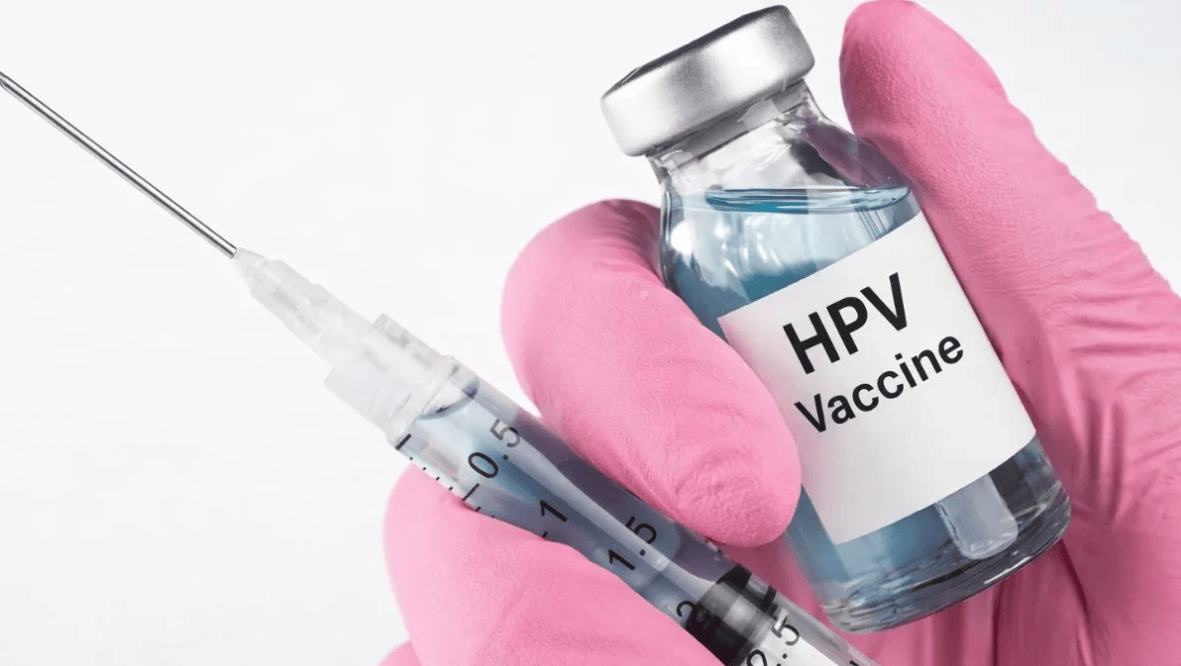
The vaccine chosen for this programme is Gardasil, a quadrivalent HPV vaccine. It protects against four HPV types, including 16 and 18, which are linked to cervical cancer, and types 6 and 11, which cause genital warts. Gardasil is a non-live vaccine and has been widely used across the world for many years.
Scientific studies from India and other countries show that even a single dose of the vaccine, when given at the recommended age, provides strong and long-lasting protection. This evidence has helped shape the current strategy, making the programme more affordable and easier to implement on a large scale.
Why the Programme Targets 14-Year-Old Girls
The decision to vaccinate girls at the age of 14 is based on clear scientific reasoning. The vaccine works best when given before any possible exposure to HPV. At this age, the immune system responds very well to the vaccine, creating strong protection that can last for decades.
By focusing on this age group, the Free HPV Vaccination for Girls programme ensures maximum preventive benefit. It also helps build a healthier future generation by reducing the risk of cervical cancer later in life.
How the Programme Will Be Implemented
Vaccination will be carried out only at designated government health facilities. These include Ayushman Arogya Mandirs, Primary Health Centres, Community Health Centres, Sub-District Hospitals, District Hospitals, and Government Medical Colleges. Trained medical officers will supervise each vaccination session, and girls will be observed for a short period after receiving the vaccine to ensure safety.
To manage rare side effects, all vaccination sites will be connected to round-the-clock government health facilities. This system is expected to build trust among parents and guardians while reinforcing confidence in the safety of the vaccine.
Global Support and Vaccine Supply
India has secured vaccine supplies through a globally supported procurement system in partnership with Gavi, the Vaccine Alliance. This collaboration ensures that the vaccines meet strict quality standards and are stored and transported under proper cold chain conditions.
Globally, more than 500 million doses of HPV vaccines have been administered since 2006. Over 90 countries now follow a single-dose schedule to improve coverage and reduce costs. The strong global safety record of the vaccine adds confidence to India’s decision to roll out this programme nationwide.
Addressing India’s Cervical Cancer Challenge
Cervical cancer places a heavy burden on India’s healthcare system and families. Many cases are detected late, making treatment difficult and expensive. Prevention through vaccination is one of the most effective ways to reduce this burden.
HPV vaccines have shown 93 to 100 percent effectiveness against the cancer-causing virus types they cover. By expanding access through Free HPV Vaccination for Girls, India aims to significantly lower future cervical cancer cases and deaths.
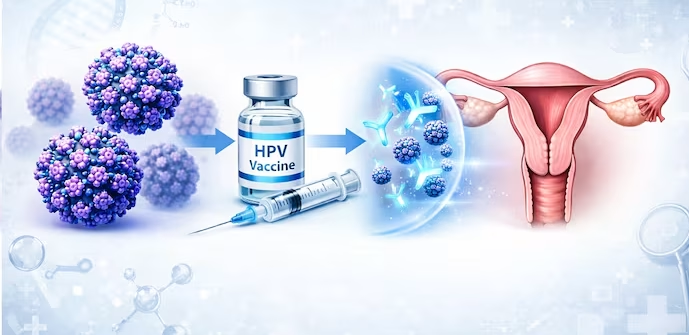
An Evidence-Based Public Health Approach
The programme follows recommendations from the National Technical Advisory Group on Immunisation, which guides vaccine policy in the country. It aligns with global best practices and reflects a shift toward prevention-focused healthcare.
By investing in early protection, India is not only safeguarding the health of young girls today but also building a foundation for healthier women in the future. The Free HPV Vaccination for Girls initiative represents hope, progress, and a strong commitment to reducing preventable cancers across the nation.