


FSSAI Dior Licence Suspension

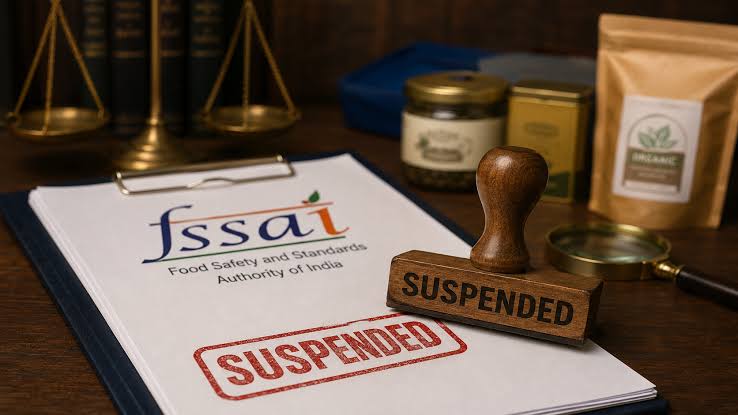
FSSAI Dior Licence Suspension has drawn national attention after the Food Safety and Standards Authority of India (FSSAI) suspended the nutraceutical manufacturing licence of Dior Pharmaceuticals on 30 July 2026. The action was taken following inspections that found serious violations and poor compliance with Good Manufacturing Practices (GMP) at the company’s nutraceutical production facility in Punjab. According to the regulator, the plant failed to meet several food safety requirements related to hygiene, sanitation, storage, infrastructure, and product traceability. As a result, the company has been directed to stop all manufacturing activities at the facility until it fully complies with the required standards and receives approval from FSSAI.
FSSAI Takes Action Against Dior Pharmaceuticals
The Food Safety and Standards Authority of India issued the suspension order after inspecting the company’s nutraceutical manufacturing unit.

During the inspection, officials identified several shortcomings that were considered serious enough to affect food safety and product quality.
Based on these findings, FSSAI decided to suspend the plant’s licence and ordered an immediate halt to manufacturing operations.
The regulator stated that production can only restart after all deficiencies have been corrected and compliance is verified through further inspections.
The move highlights the government’s continued focus on maintaining strict food safety standards across the country.

Why the Licence Was Suspended FSSAI Dior Licence Suspension
According to the inspection report, the manufacturing facility did not meet important operational standards required under food safety regulations.
The reported issues included:
- Poor infrastructure maintenance
- Inadequate sanitation practices
- Weak pest control measures
- Improper storage conditions
- Lack of personnel hygiene
- Deficiencies in product traceability
These shortcomings raised concerns about whether the facility could consistently produce safe and high-quality nutraceutical products.
Food safety authorities consider such standards essential for protecting consumers and maintaining confidence in food products.
What Are Nutraceuticals?
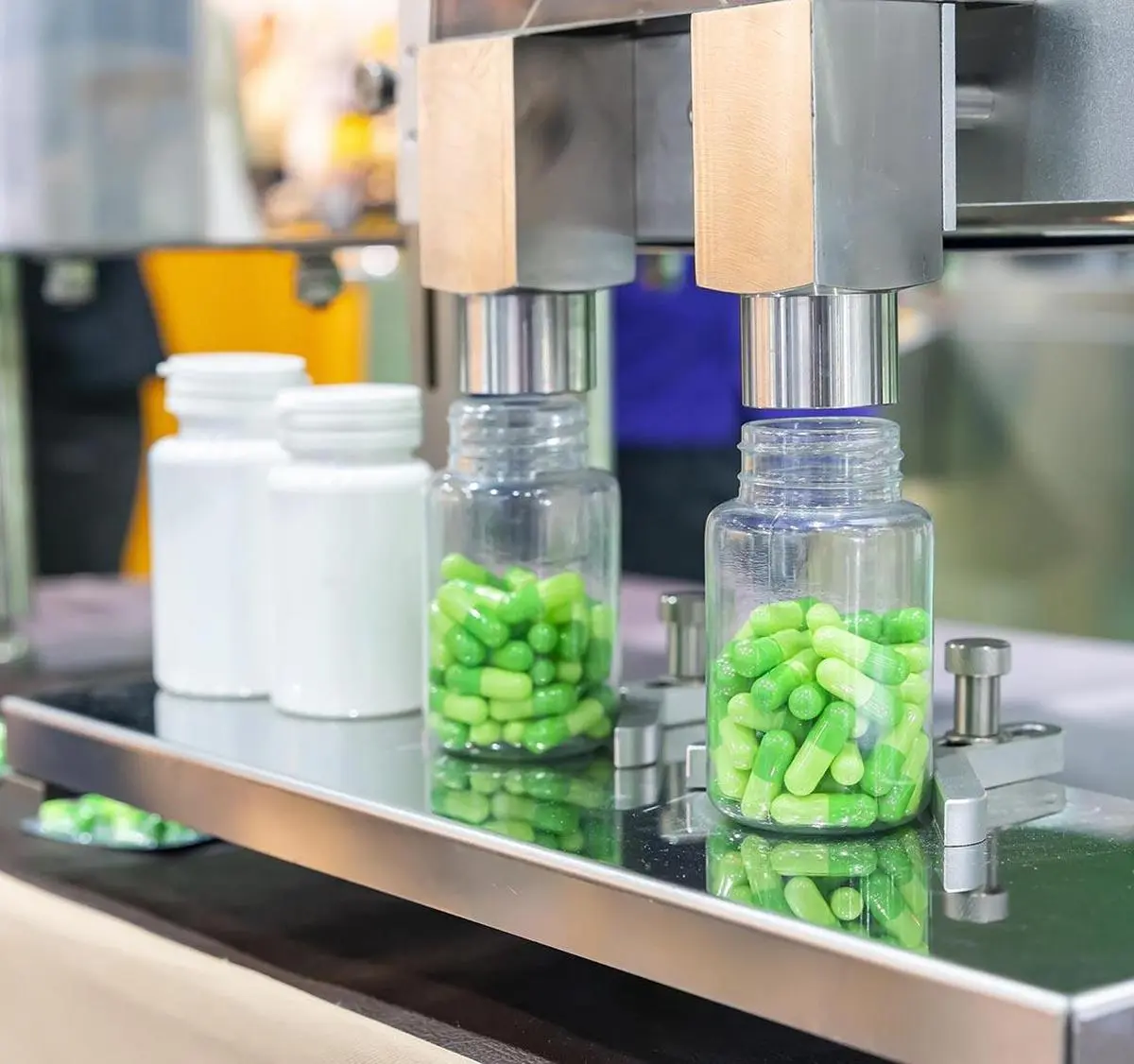
Nutraceuticals are products made from food sources that are intended to provide additional nutritional or health benefits.
They are commonly sold as:
- Dietary supplements
- Functional foods
- Nutrition products
- Health-support products
Unlike medicines, nutraceuticals are regulated under India’s food safety framework.
Manufacturers must follow strict quality and safety requirements before these products can be produced and sold in the market.
As consumer demand for wellness and nutrition products continues to grow, regulatory oversight has become increasingly important.
Understanding Good Manufacturing Practices (GMP)
One of the main reasons behind the suspension was the failure to comply with Good Manufacturing Practices (GMP).
GMP refers to a set of quality standards designed to ensure that food products are manufactured safely and consistently.
These standards cover several areas, including:
- Clean production environments
- Proper sanitation
- Safe storage facilities
- Equipment maintenance
- Pest management
- Employee hygiene
- Standard operating procedures
Following GMP helps reduce contamination risks and ensures that food products remain safe for consumers.
Food manufacturers are expected to maintain these standards throughout the production process.
Importance of Product Traceability
Another issue highlighted by FSSAI was the lack of adequate traceability.
Traceability means the ability to track a food product through every stage of production, processing, storage, and distribution.
A proper traceability system allows manufacturers and regulators to:
- Identify raw material sources
- Monitor production batches
- Track product movement
- Conduct recalls if necessary
- Investigate quality issues quickly
Strong traceability systems have become increasingly important as food supply chains become more complex.
Role of FSSAI in Food Safety
The Food Safety and Standards Authority of India (FSSAI) is the country’s main food safety regulator.
It was established under the Food Safety and Standards Act, 2006.
Its responsibilities include:
- Setting food safety standards
- Regulating food manufacturers
- Conducting inspections
- Issuing licences
- Monitoring food quality
- Taking enforcement action against violations
FSSAI works to ensure that food products available in India are safe for consumption and comply with national standards.
Manufacturing Operations Suspended
Following the suspension order, all manufacturing activities at the affected nutraceutical plant must remain stopped.
The company must first address every deficiency identified during the inspection.
After completing corrective measures, the facility will need to undergo another inspection before production can resume.
Only after FSSAI confirms that all food safety requirements have been fully met can the licence become operational again.
This process helps ensure that products reaching consumers meet the required quality standards.
Growing Focus on Food Safety in India
India has been strengthening its food safety system in recent years as the food processing industry continues to expand.
Consumers are increasingly purchasing packaged foods, dietary supplements, and health products, making quality control more important than ever.
Regulators have also increased inspections of manufacturing facilities to ensure compliance with safety regulations.
The use of modern quality management systems, improved hygiene practices, and scientific testing has become a key part of food production across the country.
These measures support consumer confidence and encourage responsible manufacturing practices.
Impact on the Nutraceutical Industry
The suspension serves as a reminder that food businesses must maintain consistent compliance with regulatory standards.
Manufacturers operating in the nutraceutical sector are expected to invest in quality control, employee training, infrastructure maintenance, and proper documentation.
As the global demand for dietary supplements continues to rise, companies are also required to meet increasingly strict domestic and international food safety expectations.
Maintaining high manufacturing standards helps businesses build trust among consumers while supporting long-term growth in the industry.
Strengthening Consumer Protection
The FSSAI Dior Licence Suspension demonstrates the importance of strict regulatory oversight in India’s growing nutraceutical sector. By taking action against manufacturing facilities that fail to meet required standards, FSSAI aims to protect consumers and maintain confidence in food products available in the market. The suspension also highlights the need for proper hygiene, infrastructure, traceability, and Good Manufacturing Practices in food production. As India’s food and wellness industry continues to grow, strong compliance with safety regulations will remain essential for ensuring product quality and consumer health.