Him-CONNECT 2026 at WSDS

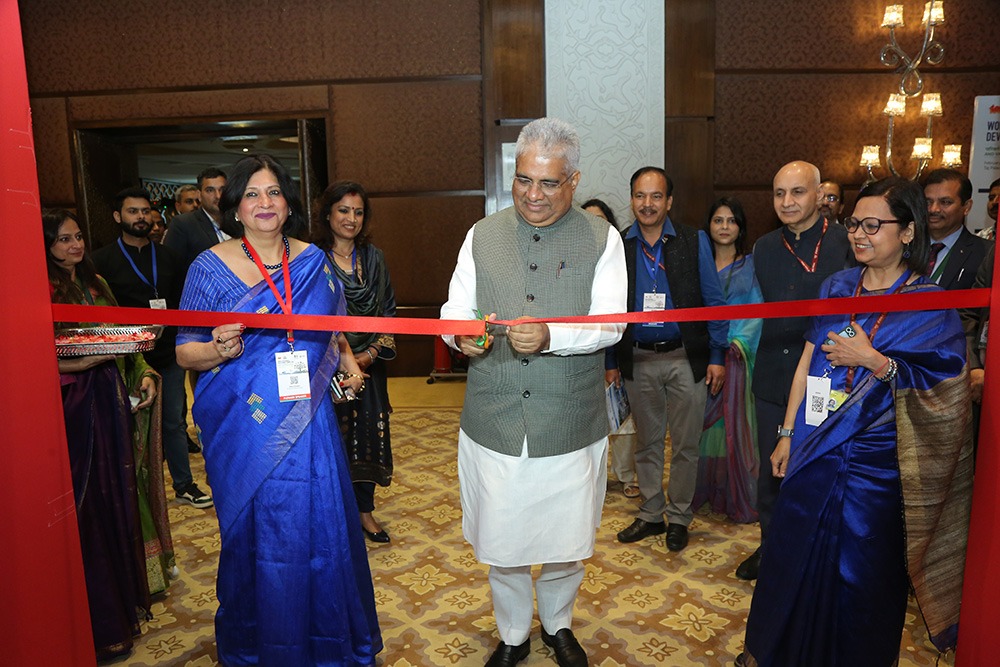
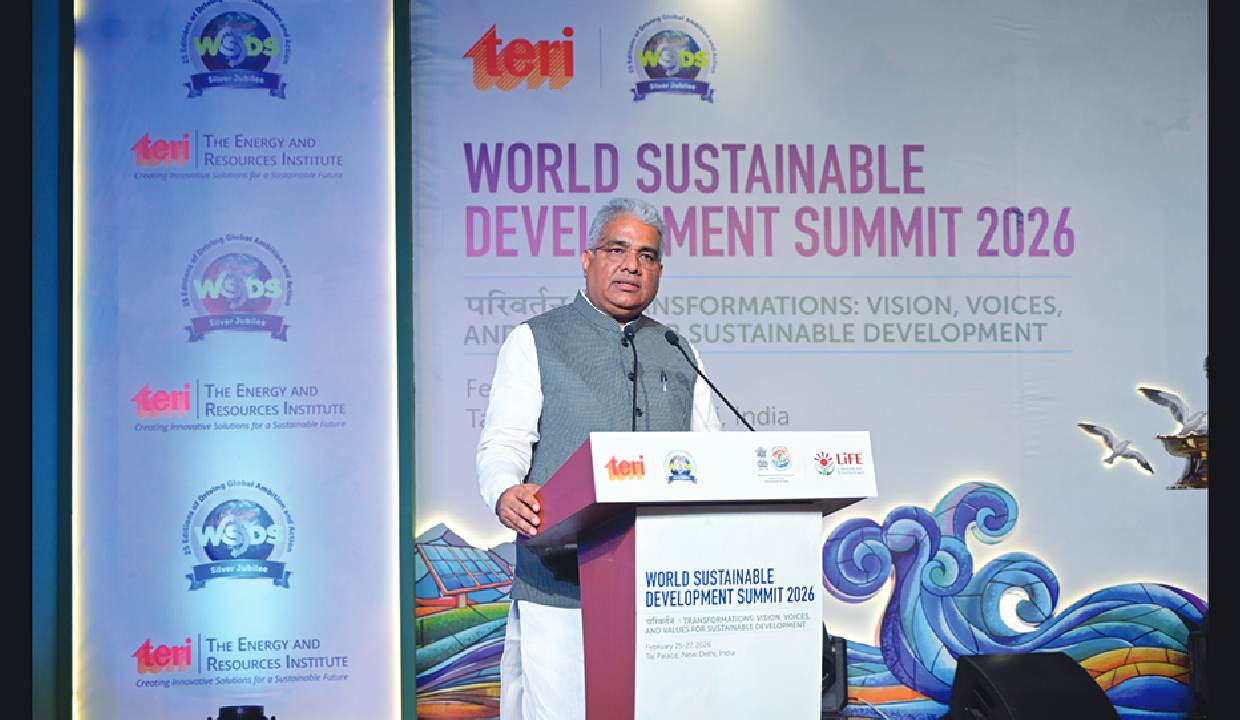
Him-CONNECT 2026 has emerged as a key platform bringing together science, business, and policy to support sustainable development in the Indian Himalayan Region. The event is being organised by the Ministry of Environment, Forest and Climate Change during the World Sustainable Development Summit 2026 hosted by The Energy and Resources Institute in New Delhi from 25 to 27 February 2026.
Thank you for reading this post, don't forget to subscribe!The aim of Him-CONNECT 2026 is simple yet powerful: connect researchers working in the mountains with startups, investors, and decision-makers who can help turn their ideas into real-world solutions. The platform is open to visitors on selected days, encouraging wider participation and collaboration.
Him-CONNECT 2026: Connecting Innovation with Opportunity
Him-CONNECT 2026 focuses on bridging the gap between research and practical use. Over the past decade, the National Mission on Himalayan Studies (NMHS) has supported hundreds of projects in the Himalayan states. Many of these projects offer solutions for climate adaptation, water conservation, renewable energy, and sustainable farming. However, several innovations remain limited to pilot projects due to a lack of funding or industry partnerships.
This new platform helps innovators showcase their technologies directly to more than 100 startups, incubators, investors, and policymakers. The goal is to create partnerships that can scale up these solutions across mountain communities.
In today’s world, climate change is affecting glaciers, rivers, and weather patterns. Mountain regions are particularly vulnerable. By encouraging investment in climate-smart technologies, Him-CONNECT 2026 aims to strengthen resilience in fragile ecosystems.
Him-CONNECT 2026: Technologies Designed for the Himalayas
One of the highlights of Him-CONNECT 2026 is the display of over 24 technologies, prototypes, and patents developed under NMHS. These innovations are designed specifically for the unique geography and climate of the Himalayas.
Some projects focus on eco-friendly road construction methods that reduce landslide risks. Others promote hydroponic farming using treated wastewater, which can help farmers grow crops in areas with limited soil fertility. There are also wastewater treatment systems made from pine needles a locally available resource that often causes forest fire risks when left unused.
Innovators have developed decentralised water reuse systems, low-cost mineralised water purifiers, and renewable energy solutions suitable for remote villages. Products made from sericulture waste and yak milk processing technologies also support local livelihoods.
These solutions not only protect the environment but also create income opportunities for mountain communities.
Him-CONNECT 2026: Participation from Leading Institutions
Researchers and innovators from several well-known institutions are part of Him-CONNECT 2026. Participants include experts from IITs, CSIR labs, Central Agricultural University, NITs, and universities such as Kashmir and Kumaon. Regional research centres like TERI-Guwahati and the G.B. Pant National Institute of Himalayan Environment are also contributing.
Their presence shows growing national attention on Himalayan sustainability. Collaboration between research institutions and businesses is becoming more important as India pushes for green growth and clean technology leadership.
In recent years, climate resilience has become a global topic. Countries are investing heavily in renewable energy, sustainable construction, and water security. Events like Him-CONNECT 2026 reflect India’s effort to be part of that global movement while addressing local challenges.
Him-CONNECT 2026: Focus on Climate and Green Growth
The Indian Himalayan Region plays a major role in regulating climate and supplying water to millions of people downstream. Rivers originating in these mountains support agriculture, industry, and daily life across northern India.
However, rising temperatures, glacier melt, and extreme weather events are putting pressure on this region. Sustainable development is no longer optional; it is necessary.
Him-CONNECT 2026 highlights solutions in areas such as water security, waste-to-wealth models, renewable energy, and nature-based livelihoods. By linking science with funding and policy support, the platform aims to speed up the adoption of climate-friendly practices.
The event also aligns with India’s broader push for clean energy transitions, green infrastructure, and carbon reduction commitments. As countries prepare for future climate negotiations, platforms like this demonstrate practical action on the ground.
Him-CONNECT 2026: A Boost for Startups and Local Entrepreneurs
Startups working in clean technology and sustainable agriculture are gaining attention in India. Government initiatives supporting innovation and digital platforms have created a strong ecosystem for young entrepreneurs.
Him-CONNECT 2026 adds a mountain-focused dimension to this ecosystem. It allows startups to test and deploy technologies in real conditions while learning from local communities. Investors, on the other hand, gain access to projects that combine social impact with environmental benefits.
Such collaboration can create new green jobs, support rural economies, and reduce migration from hill regions to urban centres.
Him-CONNECT 2026: Strengthening India’s Role in Climate Action
India has been vocal about climate justice and sustainable lifestyles at global forums. Hosting innovation-driven platforms within the country strengthens its position as a solution provider, especially for developing nations facing similar mountain challenges.
The Himalayan region shares ecological links with several neighbouring countries. Sustainable practices developed here can inspire cross-border cooperation and knowledge sharing in South Asia.
Him-CONNECT 2026 therefore represents more than a conference segment. It shows how science, finance, and policy can come together to address urgent environmental issues while promoting economic opportunity.
Him-CONNECT 2026: Looking Ahead
As climate concerns grow and sustainable development becomes central to economic planning, initiatives like Him-CONNECT 2026 may become more common. By supporting practical solutions for fragile ecosystems, India is taking steps to ensure that mountain communities are not left behind in the development journey.
The collaboration between researchers, entrepreneurs, and policymakers highlights a forward-looking approach one that combines innovation with responsibility.