Bhavantar Yojana Mustard: Madhya Pradesh Plans Big Relief for Farmers

Bhavantar Yojana Mustard has come into sharp public attention after an important announcement in the Madhya Pradesh Assembly. The State government has proposed extending the Bhavantar Yojana to mustard farmers, a move that could support nearly 80 lakh cultivators across the State. The decision reflects growing concern over fluctuating crop prices and the need to protect farmers’ incomes, especially for key rabi crops like mustard.
Thank you for reading this post, don't forget to subscribe!Government Announcement in the Assembly
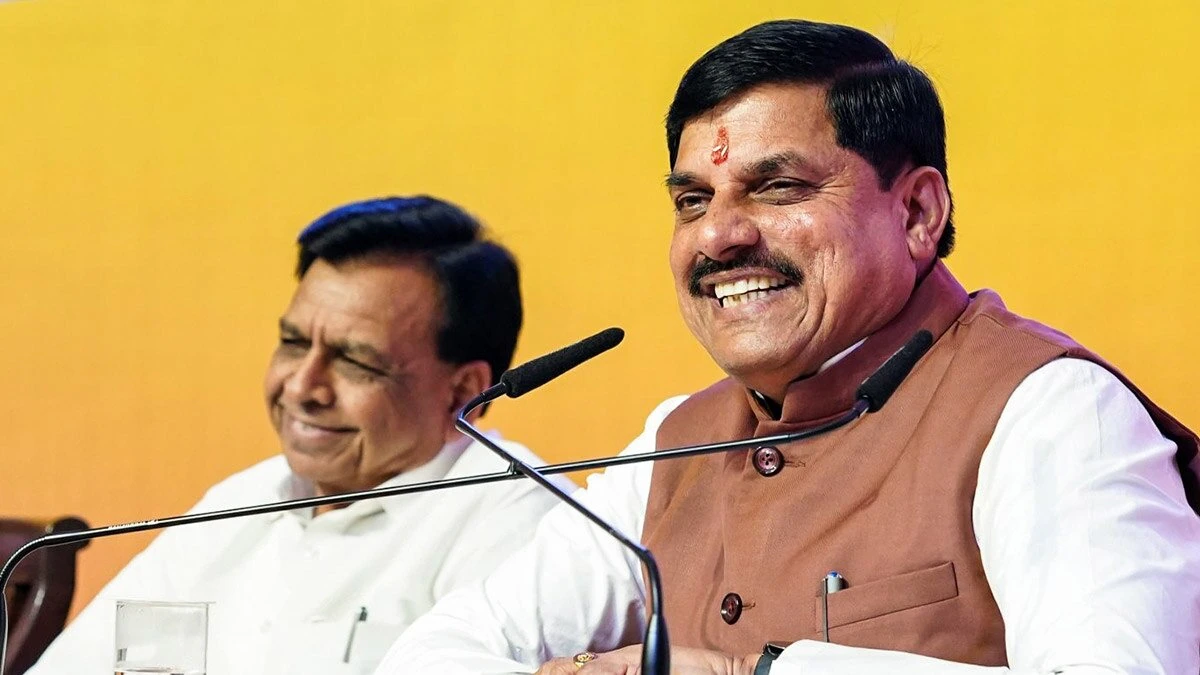
Chief Minister Mohan Yadav informed the Assembly that the proposal to include mustard under the Bhavantar Yojana has been sent to the Centre. Once approved, the scheme is expected to bring financial relief to a large section of farmers who depend on mustard cultivation for their livelihood.
At present, the Bhavantar Yojana covers soyabean farmers in the State. The extension to mustard marks a significant expansion of the scheme and shows the government’s intent to strengthen price support mechanisms for oilseed crops.
What Bhavantar Yojana Means for Mustard Farmers
The Bhavantar Yojana is designed to compensate farmers when they are forced to sell their produce below the Minimum Support Price. Under this system, if the market price of a crop falls below the MSP, the State government pays farmers the difference directly into their bank accounts.
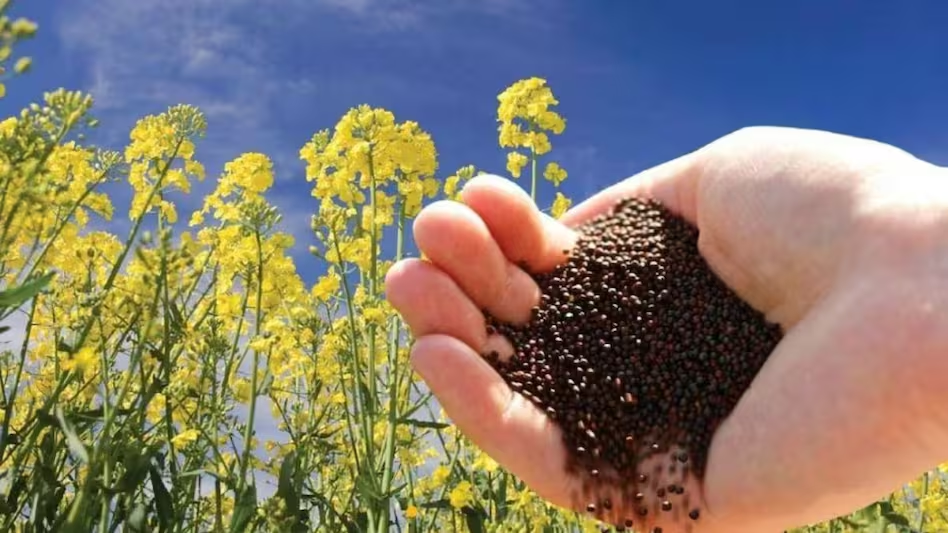
For mustard farmers, this proposal could act as a financial safety net. Mustard prices often fluctuate due to changes in demand, global edible oil markets, and weather conditions. By covering mustard under the scheme, the government aims to reduce uncertainty and ensure that farmers receive a fair return for their produce.
Importance of Mustard in Madhya Pradesh Agriculture
Mustard is one of the most important rabi oilseed crops grown in Madhya Pradesh. The crop plays a key role in the State’s edible oil production and supports thousands of small and marginal farmers. Any sharp fall in mustard prices directly affects rural incomes and local economies.
The proposed inclusion of mustard under Bhavantar Yojana could encourage farmers to continue cultivating the crop without fear of heavy losses. It may also help stabilize the supply of mustard and edible oil in the market.
Focus on Price Stability and Farmer Income
The move comes at a time when agricultural commodity prices have been highly unpredictable. Farmers often face losses when market rates dip below the MSP, forcing them to sell at unfavorable prices due to storage or cash needs.
By expanding Bhavantar Yojana to mustard, the State government is trying to address these challenges. The scheme is expected to provide timely compensation and reduce the impact of market volatility on farm households. This approach aligns with broader efforts to ensure income security for farmers rather than relying only on procurement.
Political Developments During the Assembly Session
Alongside the announcement on Bhavantar Yojana Mustard, the Assembly session also saw protests by Indian National Congress MLAs. The opposition demanded fresh registrations under the Ladli Behna scheme, leading to heated exchanges and a walkout from the House.
The protests highlighted ongoing political debates around welfare schemes and beneficiary coverage. While the government focused on agricultural support measures, the opposition raised concerns related to social welfare and women-centric programs.
Government Stand on Ladli Behna Scheme
Women and Child Development Minister Nirmala Bhuria clarified in the Assembly that there is currently no proposal to reopen registrations for new beneficiaries under the Ladli Behna scheme. According to the government, the scheme is continuing for existing beneficiaries as per the announced guidelines.
The Ladli Behna scheme, launched in March 2023, provides monthly financial assistance to eligible women. The amount has been increased in stages, reflecting the government’s focus on direct benefit transfers and women’s welfare.
Balancing Agriculture and Welfare Priorities
The parallel discussions on Bhavantar Yojana Mustard and the Ladli Behna scheme show how economic and social policies are unfolding side by side in Madhya Pradesh. On one hand, the government is looking to strengthen farmer support through price compensation. On the other, debates continue over the reach and future expansion of welfare schemes.
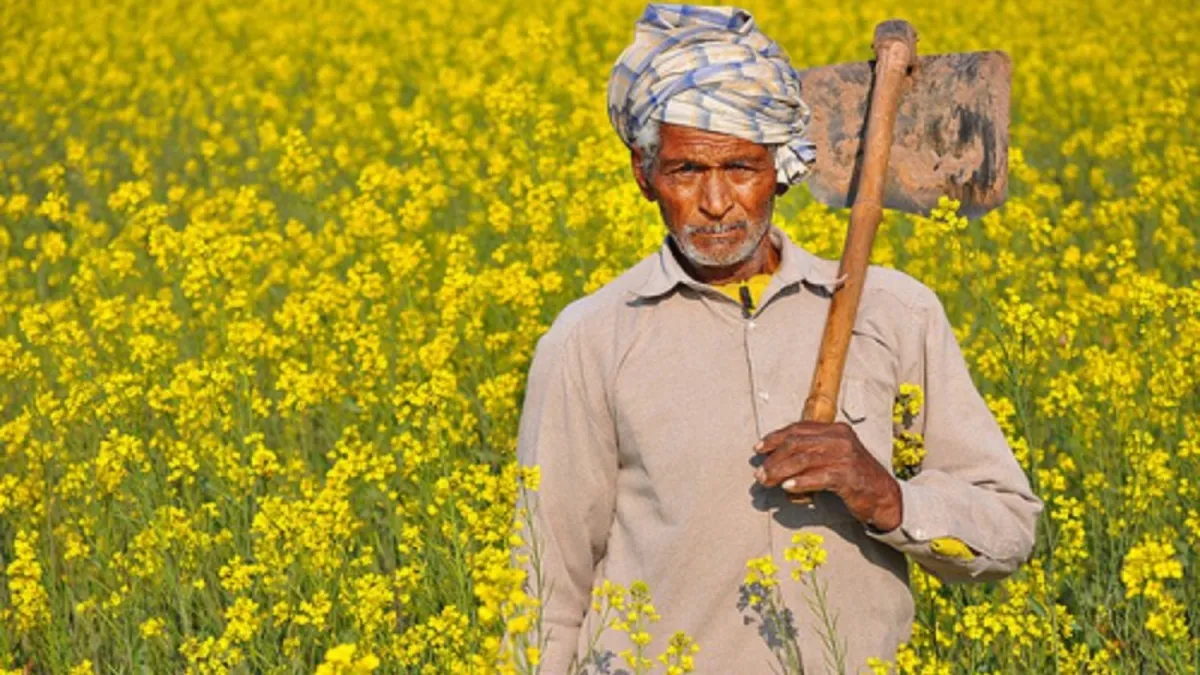
For farmers, especially those growing mustard, the proposed policy change could be a major relief. For the political landscape, these announcements and protests underline how closely linked agriculture, welfare, and governance have become in the State.
What Lies Ahead for Farmers
If approved by the Centre, the extension of Bhavantar Yojana to mustard could set a precedent for including more crops in the future. It may also encourage other States to explore similar models to protect farmers from market risks.
As discussions move forward, farmers across Madhya Pradesh will be closely watching how soon the proposal turns into action. The success of Bhavantar Yojana Mustard will depend on timely payments, clear guidelines, and effective implementation at the ground level.