
IGF Breakthrough for Lymphedema: New Hope for Treating a Chronic Swelling Disorder

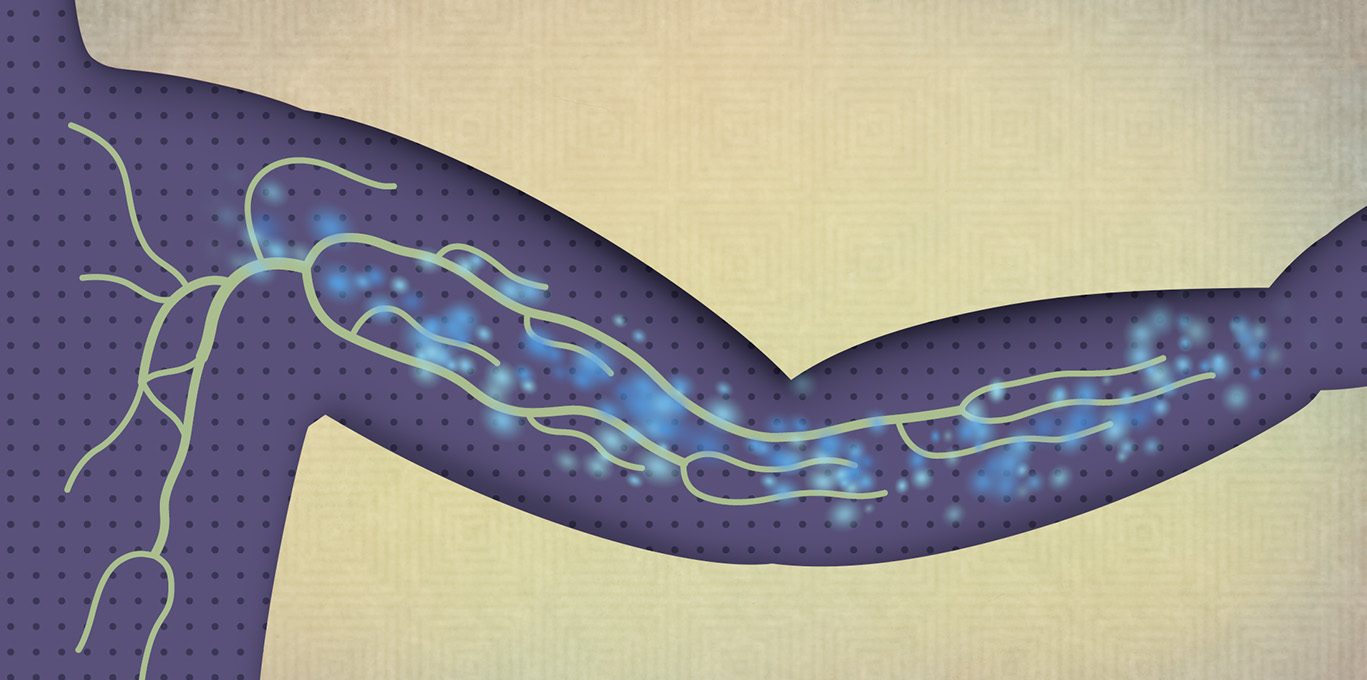
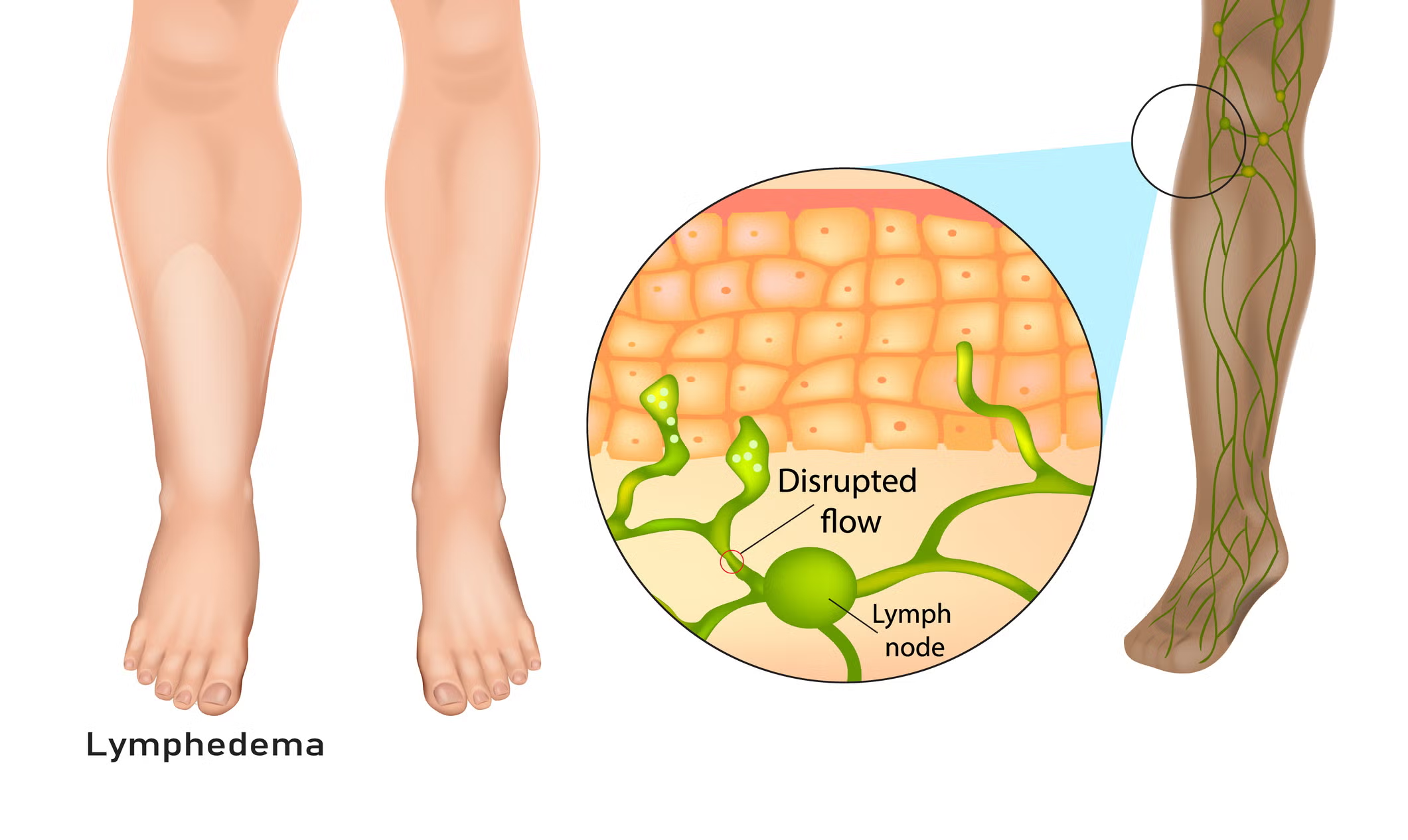
IGF Breakthrough for Lymphedema highlights a major scientific advance in understanding and treating a chronic condition that causes long-term swelling and discomfort. Lymphedema develops when the lymphatic system, which helps move fluid and fight infection in the body, becomes damaged or does not work properly. As fluid builds up in tissues, patients experience persistent swelling, pain, limited movement, and a higher risk of infection. With no permanent cure available today, this discovery brings new hope for millions affected worldwide.
Thank you for reading this post, don't forget to subscribe!The Science Behind the IGF Breakthrough for Lymphedema
A major discovery by researchers at University of Auckland has opened a promising new direction in lymphedema research. Scientists there identified a previously unknown cellular mechanism that can stimulate the growth of lymphatic vessels. This process is driven by insulin-like growth factor, commonly known as IGF.
IGF has been studied for many years because of its role in growth, development, and cell survival. However, its ability to actively promote lymphatic vessel formation was not known before this research. The finding suggests that IGF could help repair damaged lymphatic networks, rather than just managing the symptoms of lymphedema.
The research was led by Jonathan Astin, a senior lecturer in molecular medicine and pathology. His team focused on understanding how lymphatic vessels grow and regenerate at a cellular level.
Discoveries Made Through Zebrafish Research
To uncover this mechanism, researchers turned to the zebrafish, a small freshwater fish widely used in medical research. Zebrafish are especially valuable because their early development is rapid and many of their biological processes are similar to those in humans. Scientists can also make their lymphatic vessels glow using fluorescent markers, allowing real-time observation of how these vessels form and grow.
By studying zebrafish embryos, the team observed that IGF significantly ускорated the formation of lymphatic vessels. This was a clear sign that the molecule plays a direct role in building and expanding the lymphatic system. Because the process could be seen in living organisms without disrupting normal development, researchers gained strong evidence that IGF-driven growth is both natural and effective.
These findings laid the foundation for further investigation into whether the same mechanism exists in humans.
Confirmation in Human Lymphatic Cells
To test whether the discovery applied beyond fish models, the Auckland team collaborated with Justin Rustenhoven and other colleagues to study human lymphatic cells in the laboratory. They cultured these cells and exposed them to IGF under controlled conditions.
The results were striking. IGF was able to instruct human lymphatic cells to grow and form vessel-like structures. This confirmed that the same growth mechanism seen in zebrafish also works in human tissue. Importantly, this role of IGF in lymphatic development had not been identified before, making it a truly new scientific insight.
This step was critical because many discoveries fail to translate from animal models to humans. In this case, the evidence strongly suggests that IGF could be relevant for human therapies.
Why This Matters for Breast Cancer Survivors
Lymphedema most commonly develops after damage to the lymphatic system. One of the largest affected groups is breast cancer survivors who undergo lymph node removal as part of their treatment. In Aotearoa New Zealand, around 20 percent of women who have lymph nodes removed during breast cancer surgery later develop lymphedema.
For these patients, swelling can appear months or even years after cancer treatment, turning recovery into a long-term struggle. The IGF breakthrough for lymphedema offers hope that future therapies might actually rebuild damaged lymphatic vessels, reducing swelling and improving comfort instead of only controlling symptoms.
If successful, such treatments could change follow-up care for cancer survivors worldwide.
The Road Toward New Treatments
While the discovery is exciting, researchers remain careful and realistic. The next step is to test IGF-based therapies in mouse models of lymphedema. These studies will help scientists understand whether stimulating lymphatic growth using IGF is safe and effective in more complex organisms.
Researchers will closely monitor for side effects, as IGF is involved in many growth-related processes in the body. The goal is to find a way to activate lymphatic repair without causing unwanted tissue growth elsewhere.
If animal studies are successful, the research could move toward clinical trials in humans. This process takes time, but the discovery already represents a major shift in how scientists think about treating lymphedema.
A Promising Direction for Patients and Science
The IGF breakthrough for lymphedema highlights the power of basic biological research to uncover solutions for long-standing medical problems. By understanding how lymphatic vessels grow at the cellular level, scientists are now closer to developing therapies that address the root cause of the disease.
For millions of people living with lymphedema, this research brings renewed optimism. It suggests a future where treatment is not limited to managing swelling, but instead focuses on healing and restoring the body’s own drainage system.