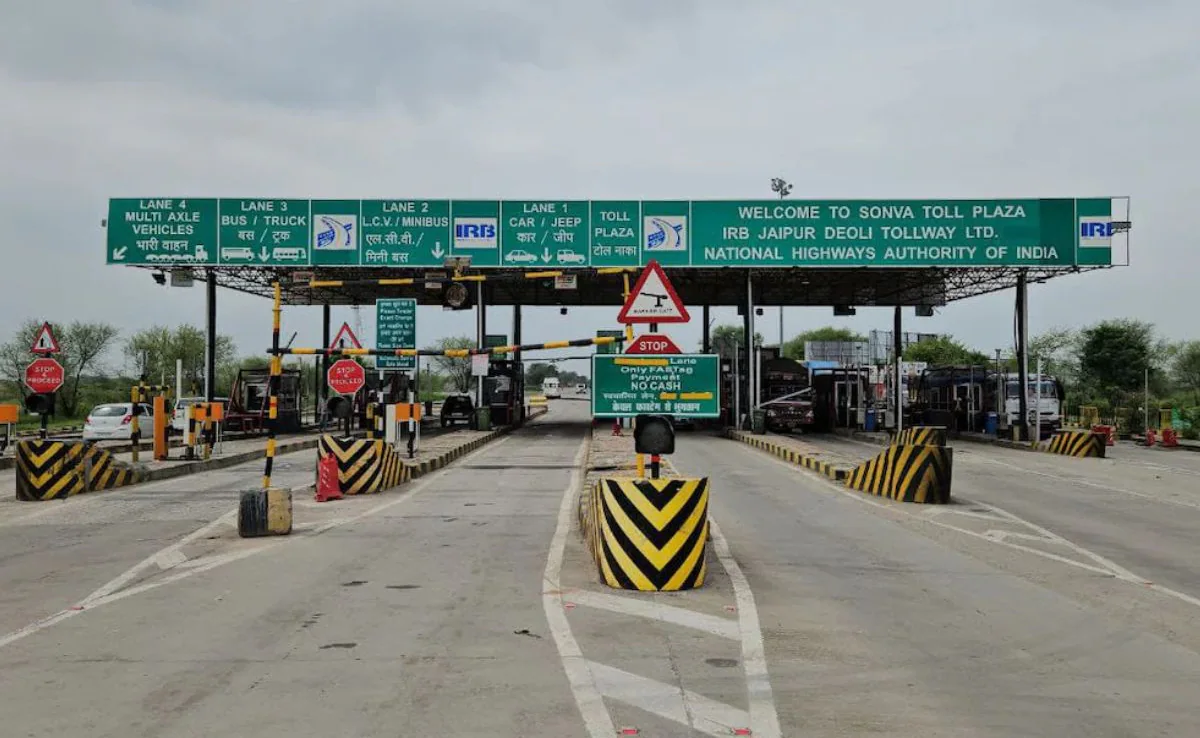
Incomplete Expressway Toll Rules: Centre Amends Norms to Protect Commuters

India’s road users are set to benefit from a major reform under the Incomplete Expressway Toll Rules, as the Centre has amended existing norms to ensure that commuters are not overcharged for using expressways that are still under construction. The change directly addresses a long-standing concern where motorists were paying full expressway tolls even when large sections of these high-speed corridors were not operational, making toll collection more fair and transparent.
Thank you for reading this post, don't forget to subscribe!What the New Toll Rules Say
Under the amended framework, toll will now be collected only for the completed and operational stretch of a National Expressway. Importantly, the rate applied to such stretches will not be the higher expressway rate, but the lower rate applicable to National Highways.
This means that if an expressway is not open from end to end, users will no longer be required to pay for the entire notified length. Instead, toll plazas will charge based on the portion that is actually usable by traffic.
The amended provisions are part of changes made to the National Highways Fee (Determination of Rates and Collection) Rules, 2008, which govern toll collection across the country. The new rules will come into force from February 15, 2026, giving road authorities and concessionaires time to adjust their systems.
How Toll Collection Worked Earlier
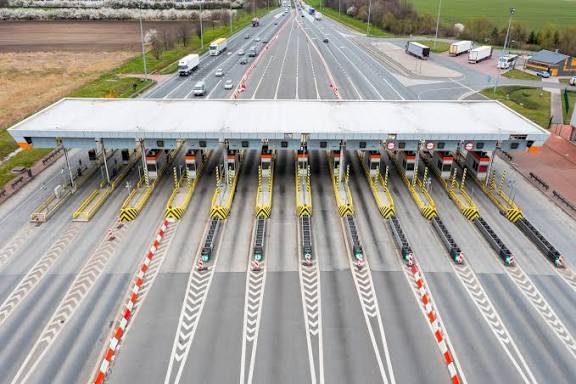
Before this amendment, toll was often levied on the full notified length of an expressway, even when several kilometres were still under construction or closed to traffic. Since expressway tolls are higher than standard highway tolls, this resulted in commuters paying a premium for infrastructure that was not fully available.
Many drivers questioned why they were charged for access-controlled, high-speed facilities when they had to slow down, divert, or merge into regular traffic due to incomplete stretches. The absence of a clear rule led to dissatisfaction and frequent complaints from both private motorists and commercial vehicle operators.
Expressway vs National Highway Rates Explained
At present, toll rates on National Expressways are 25 per cent higher than those on National Highways. This premium reflects the superior design of expressways, which typically include:
- Access-controlled entry and exit
- Higher speed limits
- Better safety features
- Seamless, signal-free travel
However, when these features are not fully available because the expressway is incomplete, charging the higher rate defeats the purpose of fair pricing. The amended Incomplete Expressway Toll Rules aim to correct this imbalance.
Duration of the Reduced Toll Benefit
The lower toll rate will apply for a limited period. As per the amendment, the National Highway rate will remain in force for up to one year or until the expressway becomes fully operational, whichever happens earlier.
Once the expressway is completed and opened end to end, the standard expressway toll rate can be restored. This provision ensures that the benefit is transitional and linked strictly to construction status.
Why the Government Made This Change
According to the Ministry of Road Transport and Highways, the amendment is intended to encourage greater use of operational expressway stretches. Many drivers currently avoid partially completed expressways due to high tolls, choosing parallel National Highways instead.
By making tolls more reasonable, the government expects traffic to shift to these new corridors. This could reduce congestion on older highways, which are often overcrowded and prone to delays.
Lower congestion can also improve fuel efficiency and reduce emissions caused by stop-and-go traffic. In this way, the reform supports both economic efficiency and environmental goals.
Benefits for Daily Commuters and Businesses
The revised toll norms are expected to have a direct positive impact on several categories of road users:
- Daily commuters will save money on routine travel where expressways are partially open.
- Logistics operators will see reduced transportation costs, improving supply chain efficiency.
- Inter-state bus services may find expressways more viable, leading to faster and more reliable travel for passengers.
By aligning toll charges with actual service delivery, the policy introduces a more user-centric approach to infrastructure pricing.
Impact on Infrastructure Accountability
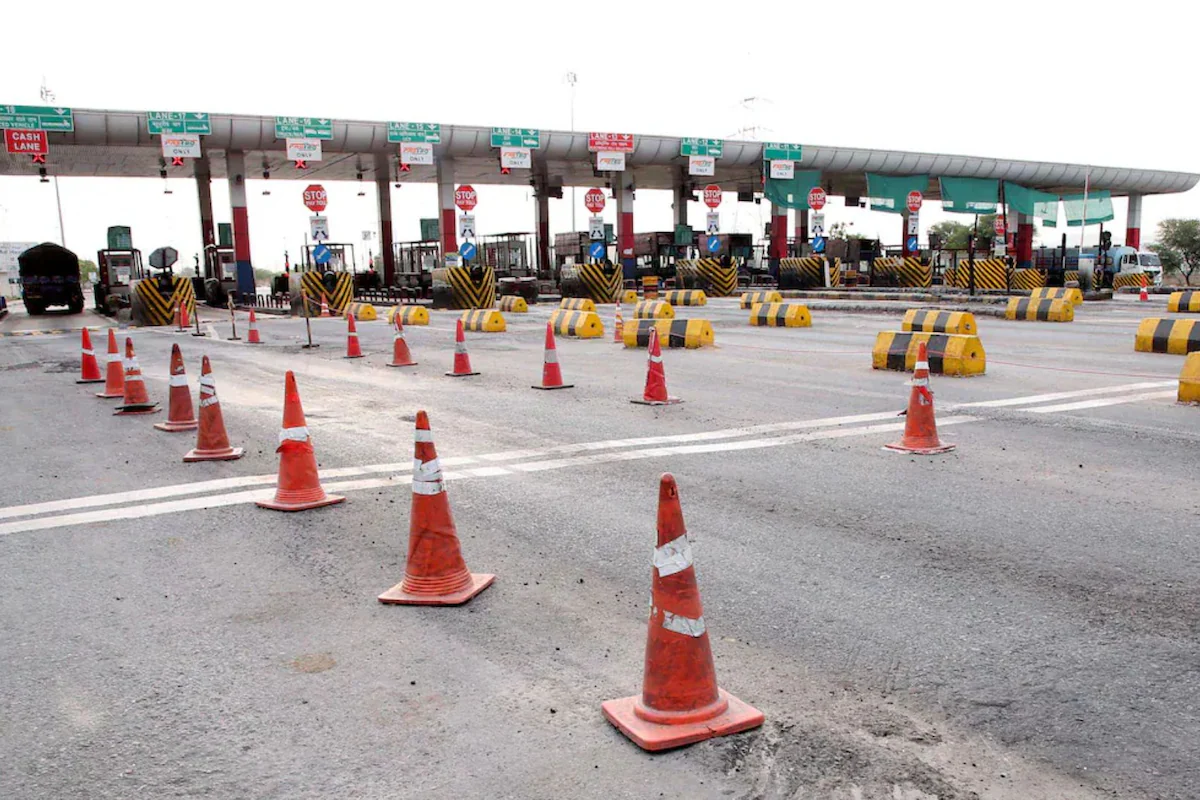
The amendment also sends a clear signal to developers and concessionaires. Since higher toll rates can only be charged after full completion, there is a stronger financial incentive to finish projects on time.
This could help reduce delays in expressway construction, a problem that has affected several major corridors in recent years. Linking revenue to operational readiness encourages better project management and accountability.
A Step Towards Fair Road Pricing
The Incomplete Expressway Toll Rules mark an important shift in how road usage is priced in India. Instead of a one-size-fits-all approach, tolls will now reflect the actual quality and extent of infrastructure available to users.
For a country investing heavily in modern road networks, such reforms are essential to ensure public support and optimal utilisation of new assets. As these rules come into effect in 2026, commuters can expect a more balanced and transparent tolling system that matches cost with convenience.