

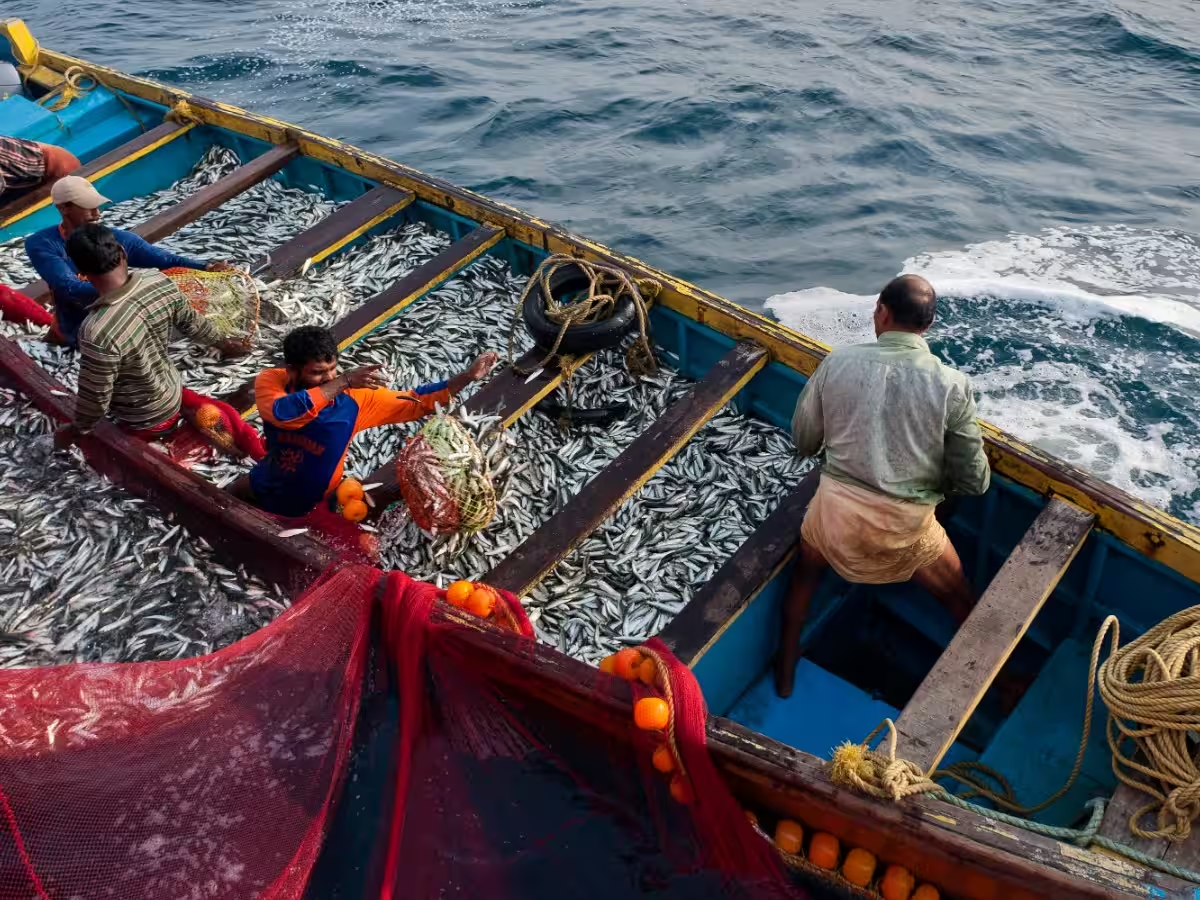
India-Seychelles Fisheries Deal

India-Seychelles fisheries cooperation received a fresh push as India and Seychelles held a bilateral meeting in New Delhi on 25 August 2026 to strengthen work in fisheries, aquaculture and the blue economy. The discussions were led by Dr. Abhilaksh Likhi, Secretary of the Department of Fisheries, and Wallace Cosgrow, Seychelles’ Minister of Fisheries, Agriculture and Blue Economy. The two countries explored practical areas such as marine farming, tuna fisheries, hatchery development, fish-stock assessment and the use of new technology.
Focus on fisheries and aquaculture
A major part of the meeting was the proposed Memorandum of Understanding (MoU) on fisheries and aquaculture. The agreement is expected to provide a framework for regular cooperation and joint activities between the two countries.

The discussions included marine aquaculture, modern hatcheries, tuna fisheries optimisation and fish-stock assessment. Marine aquaculture, also known as mariculture, involves raising marine organisms in seawater under controlled conditions. Modern hatcheries can help produce fish seed and improve the supply of healthy fish for farming.
Fish-stock assessment was another important area. It uses scientific data to estimate the number, condition and sustainability of fish populations. Better assessment can help countries manage marine resources while reducing the risk of overfishing.
Technology to improve fisheries management
India-Seychelles fisheries cooperation is also moving towards greater use of digital technology. The two sides discussed using artificial intelligence (AI) for harvest management and improving digital systems for collecting and sharing fisheries data.
The meeting also considered better Monitoring, Control and Surveillance (MCS) systems. These systems help authorities track fishing activity, check compliance with fishing rules and identify possible illegal fishing.
Technology can be particularly useful in large marine areas where monitoring fishing activity is difficult. Digital records, satellite-based monitoring and data analysis can help authorities make faster and more informed decisions.
Joint research and laboratory cooperation
India and Seychelles also discussed reciprocal laboratory access and jointly designed pilot projects. This could allow researchers and technical experts from both countries to work together on fisheries-related challenges.
The two sides also considered preparing annual work plans. Such plans can provide a clear schedule for implementing agreed activities and help both countries monitor progress in areas such as research, training, technology and fisheries management.
Blue economy gets greater attention
The talks also focused on the blue economy, which means the sustainable use of ocean resources for economic development while protecting marine ecosystems. Fisheries, aquaculture, shipping, tourism, renewable energy and marine conservation are among the activities associated with the blue economy.
For India and Seychelles, the ocean is an important part of economic activity and regional cooperation. Seychelles is an island country in the western Indian Ocean, while India has a long coastline and a large maritime sector. Cooperation between the two countries can therefore support sustainable use of marine resources.
Tuna value chain becomes a key area
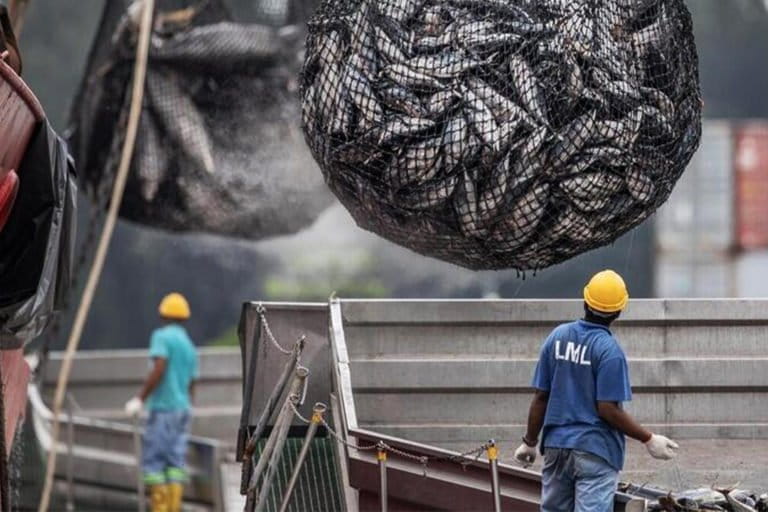
Tuna fisheries were another major topic during the meeting. Tuna is an important fishery resource in the Indian Ocean and supports fishing, processing, trade and employment.
India and Seychelles discussed expanding the tuna value chain, including processing facilities, product diversification and better management of fish waste. A stronger value chain can help increase the economic value generated from each catch.
Tuna processing may include cleaning, freezing, canning and preparing value-added seafood products. Better fish-waste management can also reduce environmental problems and allow useful by-products to be recovered.
India’s growing fisheries sector
India’s fisheries sector has expanded significantly in recent years. According to the information released for the meeting, India’s national fish production has reached 19.7 million tonnes, while seafood exports were valued at around US$8.46 billion.
The sector supports millions of people involved in fishing, aquaculture, processing, transportation and seafood trade. Technology, improved infrastructure and sustainable resource management are becoming increasingly important as demand for seafood grows.
Wider Indian Ocean cooperation
The India-Seychelles fisheries partnership also fits into India’s wider engagement with Indian Ocean island countries. Fisheries management, maritime cooperation and sustainable use of ocean resources are increasingly connected with regional economic and environmental priorities.
Cooperation in areas such as tuna management, aquaculture technology, marine research and digital monitoring can support both economic growth and conservation. The planned MoU and annual work plans could provide a structured mechanism for taking these initiatives forward.