India-Arab Diplomatic Meet Returns to Strengthen Ties Between New Delhi and Arab World

India-Arab Diplomatic Meet is set to regain momentum as India prepares to host the second India–Arab Foreign Ministers’ Meeting (IAFMM) on January 31, 2026. This high-level gathering comes after a gap of almost ten years and marks a significant step in strengthening relations between India and the Arab world. Co-chaired by India and the United Arab Emirates (UAE), the meeting will bring together representatives from all 22 Arab countries along with officials from the Arab League.
Thank you for reading this post, don't forget to subscribe!For the first time, New Delhi will serve as the host city for this important diplomatic platform. The choice of India as the venue reflects the country’s growing political, economic, and strategic engagement with the Arab region, especially in the Gulf and West Asia.
A Platform Returning at a Crucial Time
The revival of the India-Arab Diplomatic Meet comes at a time when global geopolitics is undergoing rapid change. Countries are seeking stable partnerships, reliable supply chains, and long-term energy security. India and Arab nations share common interests in these areas, making the renewed dialogue particularly relevant.
The meeting will allow both sides to review the progress made since the first ministerial gathering in 2016 and to chart a roadmap for future cooperation. It also demonstrates a shared commitment to institutionalised dialogue rather than ad-hoc engagement.
Origins of the India–Arab Dialogue
The foundation of the India-Arab Diplomatic Meet lies in a Memorandum of Understanding signed in 2002 between India and the League of Arab States. This agreement aimed to create a structured mechanism for political and economic consultations. Over time, this cooperation expanded through the Arab–India Cooperation Forum, which was launched in 2008 and later revised in 2013 to broaden its scope.
The first ministerial-level meeting under this framework took place in Bahrain in 2016. During that meeting, both sides identified key sectors for cooperation, including economy, energy, education, media, and culture. The upcoming session in New Delhi builds on this foundation.
Why Hosting Matters for India
Hosting the India-Arab Diplomatic Meet carries symbolic and practical importance for India. It signals New Delhi’s readiness to play a more active role in shaping regional and global conversations. It also highlights India’s image as a trusted partner that maintains balanced relations across different regions and political blocs.
For Arab countries, India represents a fast-growing market, a technology partner, and a source of skilled human resources. For India, Arab nations are crucial partners in energy, investment, and regional stability. Hosting the meeting helps bring these shared interests into sharper focus.
Energy Cooperation at the Core
Energy security is expected to be one of the main themes of the India-Arab Diplomatic Meet. West Asia has long been a major supplier of crude oil and natural gas to India. As India’s energy demand continues to rise, long-term and stable supply arrangements remain essential.
Discussions are also likely to go beyond traditional fossil fuels. Renewable energy, green hydrogen, and clean technology partnerships are gaining importance. Several Gulf countries are investing heavily in renewable projects, while India has set ambitious targets for clean energy expansion. Cooperation in these areas can benefit both sides.
Expanding Trade and Investment Links
Trade and investment ties between India and Arab countries have grown steadily in recent years. The India-Arab Diplomatic Meet provides an opportunity to explore ways to further boost these connections.
Key topics may include improving market access, reducing trade barriers, strengthening supply chains, and encouraging joint ventures. Digital trade, fintech collaboration, and logistics connectivity are also expected to feature in discussions. Many Arab countries are diversifying their economies beyond oil, and India’s expertise in technology, manufacturing, and services can play a valuable role in this transformation.
Education and Skill Development Partnerships
Education is another area likely to receive special attention at the India-Arab Diplomatic Meet. Student exchanges, joint research projects, and cooperation between universities can help build long-term relationships.
India has a strong reputation in fields such as information technology, medicine, and engineering. Many Arab students already choose Indian institutions for higher studies. At the same time, Indian professionals contribute significantly to the workforce in several Gulf countries. Strengthening educational and skill development ties can support economic growth on both sides.
Cultural and People-to-People Ties
Cultural connections between India and the Arab world go back centuries, through trade, language exchange, and shared traditions. The India-Arab Diplomatic Meet offers a chance to highlight these historical links and expand modern cultural cooperation.
Initiatives such as cultural festivals, media collaborations, and tourism promotion can deepen mutual understanding. Strong people-to-people ties create a solid foundation for political and economic partnerships.
Broad Participation Reflects Collective Interest
All 22 Arab states are expected to participate in the meeting, represented by foreign ministers, ministers of state, or senior officials. This wide participation underlines the collective importance attached to the India-Arab Diplomatic Meet.
Ahead of the ministerial session, a Senior Officials’ Meeting will be held to finalise the agenda and prepare draft outcomes. This layered approach ensures that discussions at the top level are focused and productive.
Building on Recent High-Level Engagements
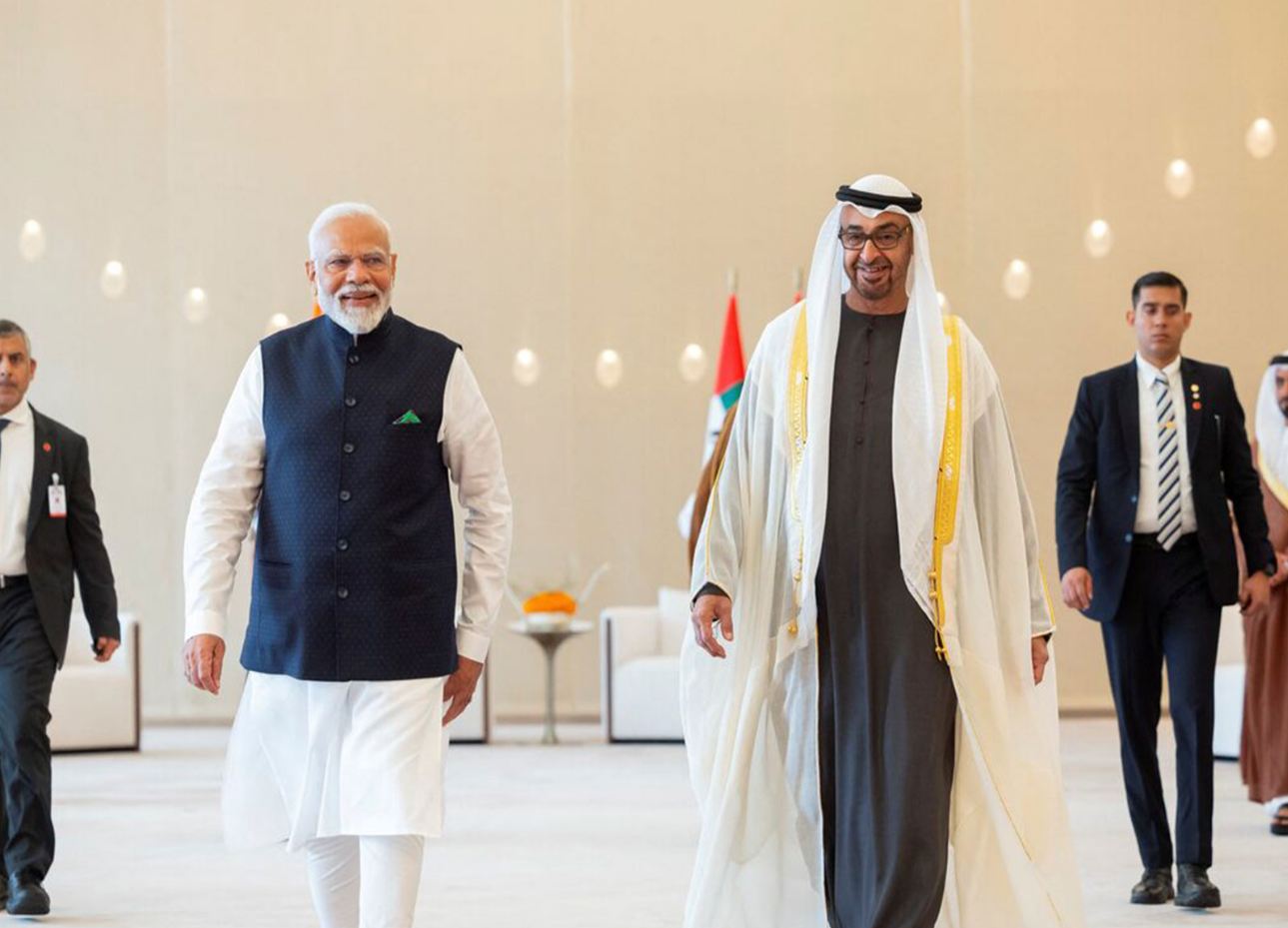
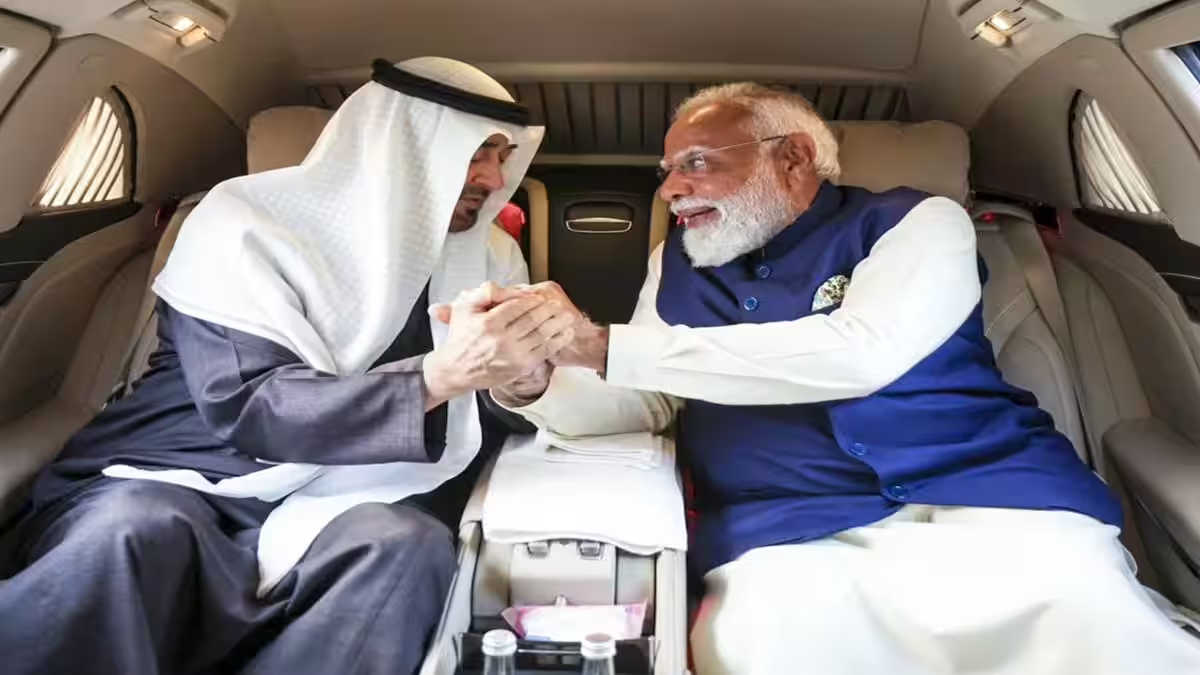
The meeting also builds on a series of recent high-level interactions between India and key Arab partners, particularly the UAE. Regular exchanges between leaders, ministers, and business delegations have strengthened mutual trust.
These engagements have resulted in agreements across sectors such as defence, space, infrastructure, and technology. The India-Arab Diplomatic Meet can help bring these bilateral successes into a broader multilateral framework.
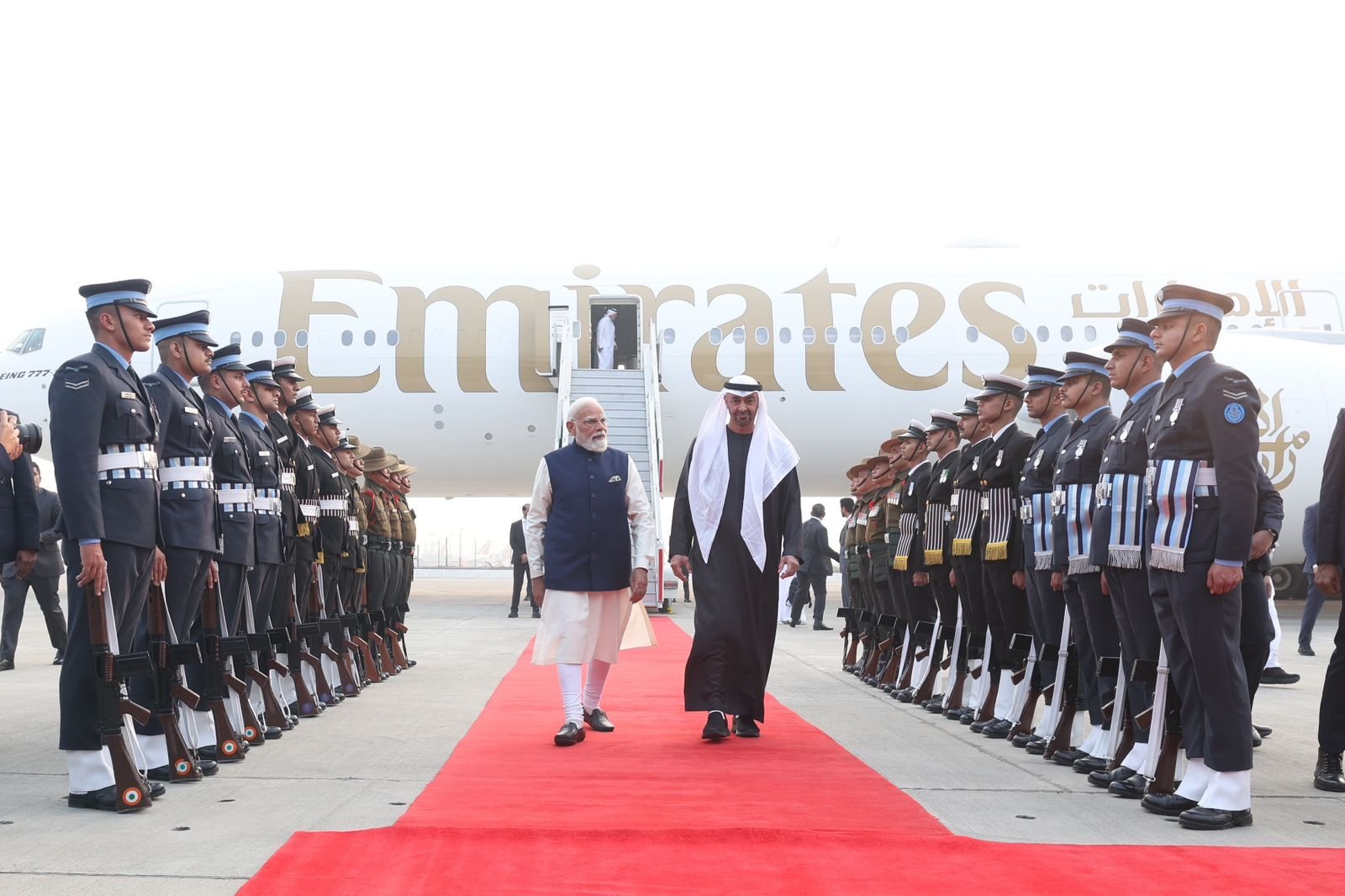
India’s Growing Role in West Asia
Through the India-Arab Diplomatic Meet, India aims to present itself as a stable and constructive partner in West Asia. The region is facing complex challenges, but it also offers vast opportunities for cooperation in development, innovation, and connectivity.
By aligning political dialogue with economic priorities and social cooperation, India and Arab countries can shape a partnership that is resilient and forward-looking. The revival of this forum after a decade signals a shared belief in the long-term value of working together.
As New Delhi prepares to welcome delegates from across the Arab world, the India-Arab Diplomatic Meet stands as a strong symbol of renewed engagement, mutual respect, and a common vision for the future.