



India-France SCALP Missile Deal Strengthens Strategic Defence Partnership

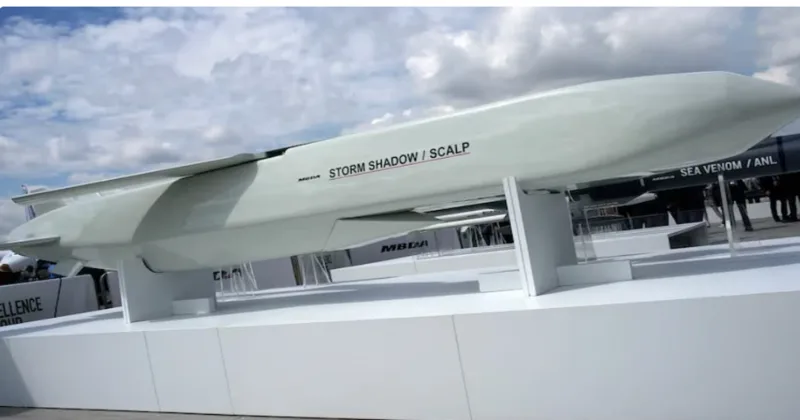
The India-France SCALP Missile Deal has emerged as a major development in defence cooperation between New Delhi and Paris. India and France are in advanced discussions to finalise the procurement of SCALP long-range cruise missiles, following their successful combat use by the Indian Air Force in recent operations. Valued at around €300 million, the proposed deal highlights India’s growing confidence in the missile’s performance and reflects the deepening strategic partnership between the two countries.
This potential agreement comes at a time when India is placing strong emphasis on strengthening its air power and enhancing precision strike capabilities. France, already a key defence partner, has played a crucial role in supporting India’s modernisation plans through platforms like the Rafale fighter jet and its advanced weapons package.

Growing Defence Ties Between India and France
The defence relationship between India and France has steadily expanded over the past decade. From fighter aircraft and submarines to joint exercises and technology cooperation, the two countries have built a strong foundation of trust. The India-France SCALP Missile Deal is seen as another important step in this direction, reinforcing long-term military and strategic cooperation.
French defence systems have gained credibility within Indian forces due to consistent performance and reliable support. The proposed SCALP missile acquisition fits well within India’s broader plan to maintain a credible deterrence and respond effectively to evolving regional security challenges.
SCALP Missile Performance in Operation Sindoor
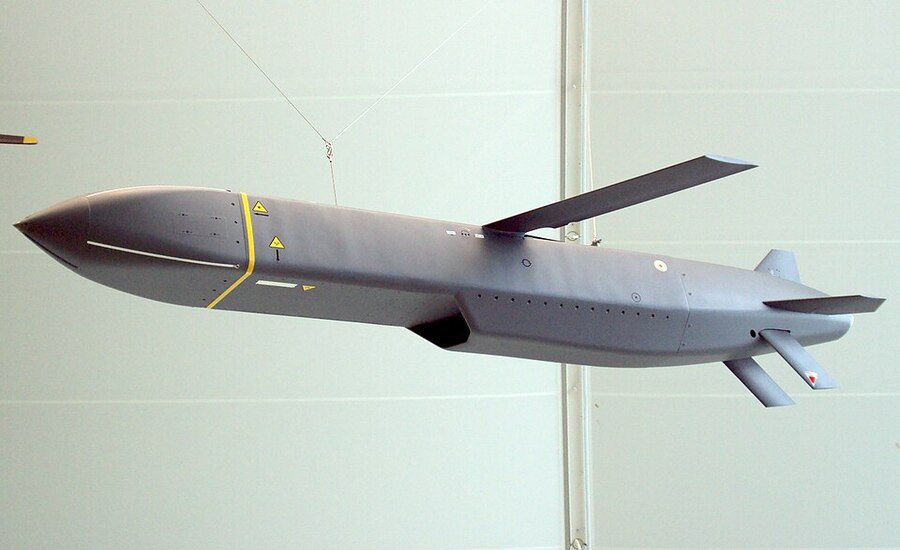
The renewed interest in SCALP missiles follows their successful deployment during Operation Sindoor. The missiles were launched from Rafale fighter jets operated by the Indian Air Force and were used for precision strikes against terrorist infrastructure across the border. Defence officials have stated that the missiles performed exactly as expected, achieving pinpoint accuracy and causing complete destruction of selected targets.
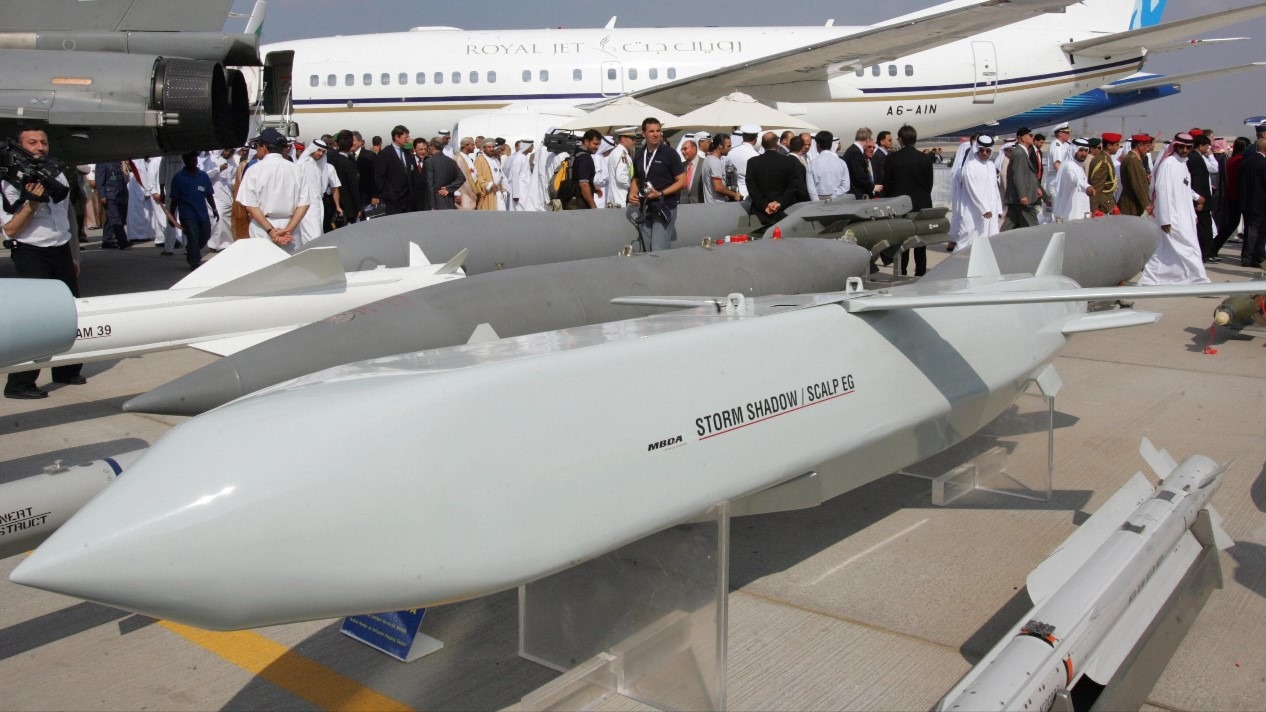
The SCALP missile, developed by MBDA, is known for its long range, terrain-hugging flight profile, and low radar visibility. These features allow it to penetrate heavily defended airspace and strike high-value targets deep inside enemy territory. During Operation Sindoor, these capabilities were fully demonstrated, strengthening confidence in the system.
Precision Strikes on Terror Infrastructure
During the operation, SCALP missiles were used alongside BrahMos to hit key terrorist headquarters linked to Jaish-e-Mohamed and Lashkar-e-Toiba. Targets in Muridke and Bahawalpur districts were reportedly destroyed with high precision, sending a strong message about India’s strike capability.
Officials noted that the combination of different missile systems allowed the Indian Air Force to maintain flexibility and surprise. While BrahMos provided high-speed impact, SCALP ensured deep penetration with stealth, making the overall mission highly effective.
Follow-Up Operations Against Air Bases
Following the initial strikes on the night of May 6–7, the Indian Air Force carried out further operations targeting key air bases of the Pakistan Air Force. Cruise missiles were used extensively in these follow-up missions, hitting around 12 major air bases.
These strikes reportedly led to the destruction of high-value assets on the ground, including fighter aircraft and airborne surveillance platforms. Military analysts have described these operations as one of the most extensive uses of air-launched cruise missiles by India in a live conflict scenario. The effectiveness of SCALP in these missions has played a key role in shaping India’s decision to pursue additional procurement.
Rafale and Its Expanding Weapons Package
The SCALP missile is a vital part of the weapons package integrated with the Rafale aircraft. The Indian Air Force considers this combination critical for maintaining air superiority and precision strike capability. As part of future plans, the Air Force also intends to expand its inventory of Meteor air-to-air missiles, further strengthening combat effectiveness.
These advanced weapons systems ensure that Rafale remains a versatile platform capable of handling multiple mission profiles, from air dominance to deep strike. The integration of SCALP and Meteor has significantly enhanced the operational value of the aircraft within the Indian fleet.
Naval Rafales and Joint Capability Growth
India’s defence modernisation plans are not limited to the Air Force. The Indian Navy is set to induct 26 Rafale Marine aircraft over the next three to four years. These naval fighters will also be equipped with advanced weapons, including Meteor missiles, ensuring seamless coordination between air and naval forces.
The integration of common platforms and weapons across services is expected to improve interoperability and reduce logistical complexity. France’s role in supporting both air and naval variants of Rafale further strengthens the overall India-France defence partnership.
Rafale’s Role in Future Air Power Plans
Impressed by the Rafale’s performance during Operation Sindoor and other exercises, the Indian Air Force is preparing a proposal to acquire an additional 114 Rafale combat aircraft. This proposal is expected to be reviewed by the Defence Acquisition Council in the near future.
If approved, the total Rafale fleet could grow to nearly 200 aircraft over the next 10 to 15 years. Such an expansion would firmly establish Rafale as the backbone of India’s air combat capability, ensuring readiness against future threats and maintaining a technological edge in the region.
Strategic Importance of the India-France SCALP Missile Deal
The India-France SCALP Missile Deal is not just about acquiring a weapon system. It represents trust, shared strategic interests, and a commitment to long-term cooperation. For India, the deal enhances deep-strike capability and strengthens deterrence. For France, it reinforces its position as a reliable defence partner in the Indo-Pacific region.
As discussions move closer to finalisation, the deal is expected to send a strong signal about the evolving defence partnership between India and France, built on performance, reliability, and shared security goals.