


India Japan Maritime Pact Strengthens Security Ties

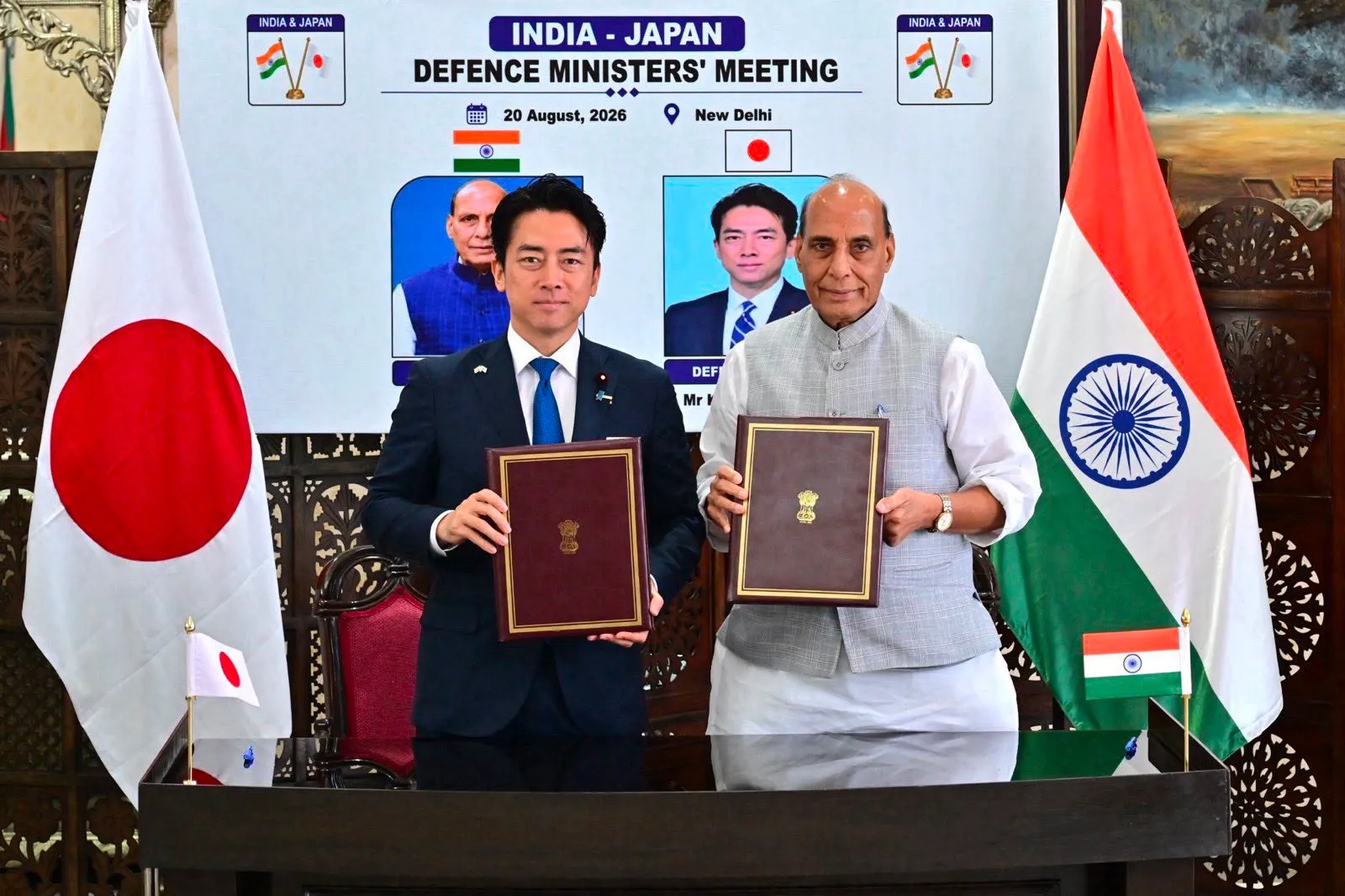
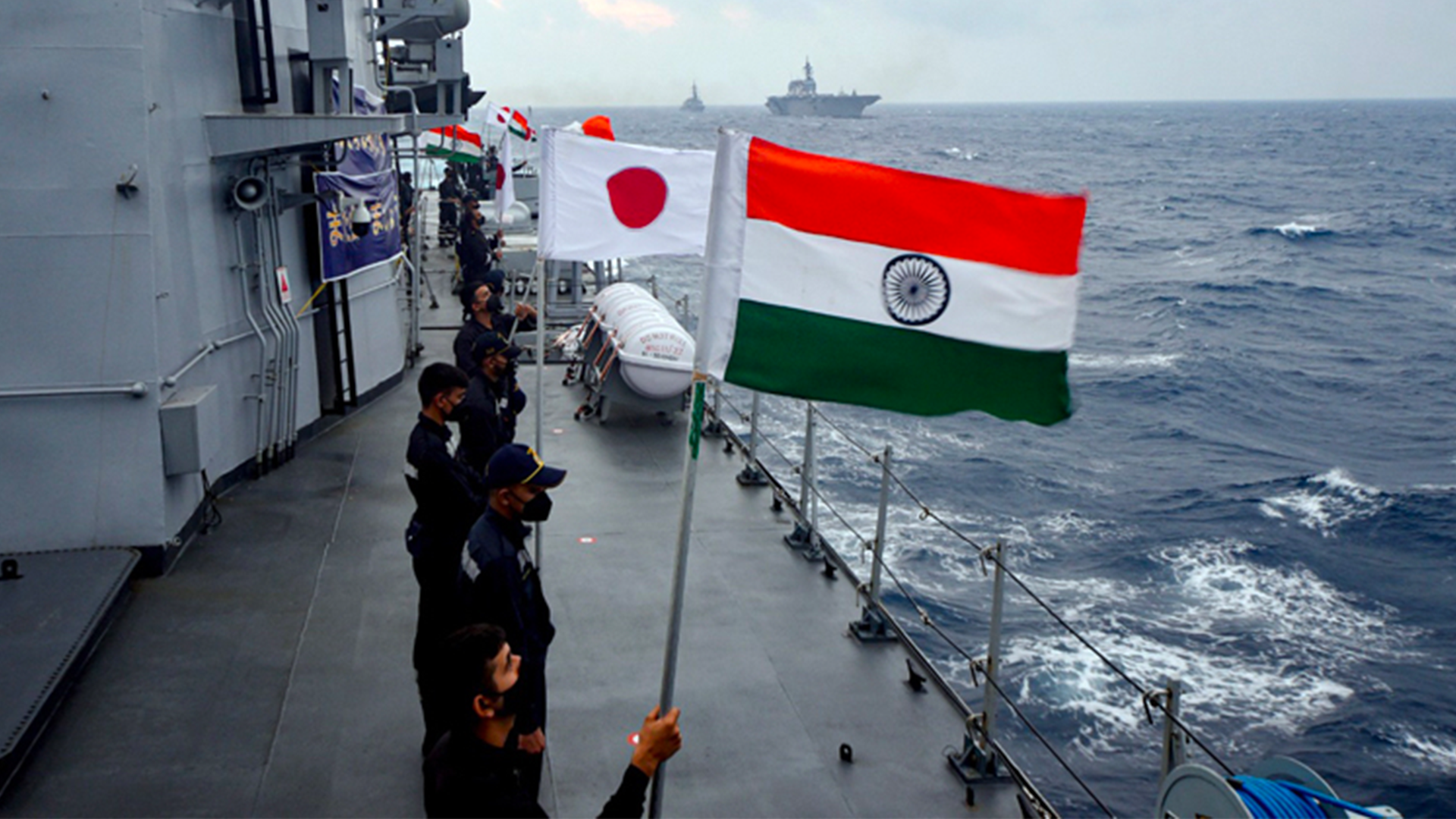
India Japan Maritime Pact gained importance on August 20, 2026, as India and Japan signed a Memorandum of Arrangement on Maritime Security Cooperation in New Delhi. The agreement was signed by Indian Defence Minister Rajnath Singh and Japanese Defence Minister Shinjiro Koizumi and creates a framework for closer cooperation between the Indian Navy and the Japan Maritime Self-Defense Force. The arrangement covers information sharing, maritime awareness, search and rescue, disaster relief, naval visits, exercises and logistics support.
Thank you for reading this post, don't forget to subscribe!New Framework for Maritime Cooperation
The new arrangement gives India-Japan maritime cooperation a more structured framework. Both countries already have a long-standing defence relationship, but the latest agreement focuses more directly on practical coordination at sea.
One major area is Maritime Domain Awareness (MDA). It involves sharing information and developing a better understanding of activities, vessels and possible security risks in the maritime region. Better information sharing can help both countries respond more effectively to developments at sea.
The agreement also includes cooperation in Search and Rescue (SAR) and Humanitarian Assistance and Disaster Relief (HADR). These activities can become particularly important during cyclones, floods, earthquakes, tsunamis and other emergencies in the Indo-Pacific region.
Naval Visits and Joint Exercises
India and Japan have agreed to increase mutual visits by naval ships and units. They will also strengthen joint exercises and exchanges between personnel and subject-matter experts.
The two countries already conduct military exercises, including the Japan-India Maritime Exercise, known as JAIMEX. They have also been expanding cooperation through other military engagements. The latest discussions called for more complex and integrated exercises, including possible use of unmanned systems and exercises conducted at short notice.
Such activities can improve communication and coordination between the two naval forces. Regular interaction also helps personnel understand each other’s procedures and operational methods.
Focus on Sea Trade Routes
Another important part of the agreement is the protection of Sea Lines of Communication, or SLOCs. These are important maritime routes used to move goods, fuel and other products between countries.
India and Japan depend heavily on secure sea routes for international trade. Both sides therefore highlighted the need to protect freedom and safety of navigation and overflight and opposed attempts to change the status quo through force or coercion.
The issue is especially important as countries across the Indo-Pacific continue to focus on maritime security, supply-chain resilience and safe movement of commercial vessels.
Ship Repair and Logistics Cooperation
The India Japan Maritime Pact also has a practical logistics component. The two sides agreed to explore greater use of each other’s ports, maintenance facilities and repair infrastructure.
India and Japan will work towards a reciprocal ship-repair arrangement. This could make it easier for naval vessels to access suitable maintenance facilities during deployments and other activities.
The two countries also discussed stronger cooperation in mine countermeasures. Undersea mines can pose serious risks to naval vessels and commercial shipping, making mine-related capabilities an important part of maritime security.
Cooperation in Shipbuilding and Defence Technology
The agreement is not limited to naval operations. India and Japan are also exploring opportunities for joint development in naval shipbuilding and design.
The plan is to combine Japan’s technological capabilities with India’s growing production capacity. The two sides will also examine greater use of Indian shipbuilding facilities under the Make in India framework.
The discussions come as India continues to expand domestic defence production and Japan reviews opportunities for deeper international defence technology cooperation.
The two countries also identified the shipborne UNICORN integrated communications antenna system as an important defence technology cooperation project. India and Japan are working towards the early implementation of this project, which is the first defence equipment transfer project between the two countries.
Wider Indo-Pacific Cooperation
The latest agreement fits into the broader India-Japan vision of a free, open, peaceful and stable Indo-Pacific. The two countries have previously established several mechanisms for security cooperation, including the 2008 Joint Declaration on Security Cooperation and the 2014 Memorandum on Defence Cooperation and Exchanges.
India’s MAHASAGAR approach and Japan’s Free and Open Indo-Pacific vision both place importance on maritime stability, secure trade routes and cooperation with regional partners.
India and Japan are also members of the Quad, along with Australia and the United States. Their growing maritime cooperation therefore takes place alongside wider regional efforts involving disaster response, maritime awareness, logistics and defence cooperation.
More Defence Exercises and Technology Links
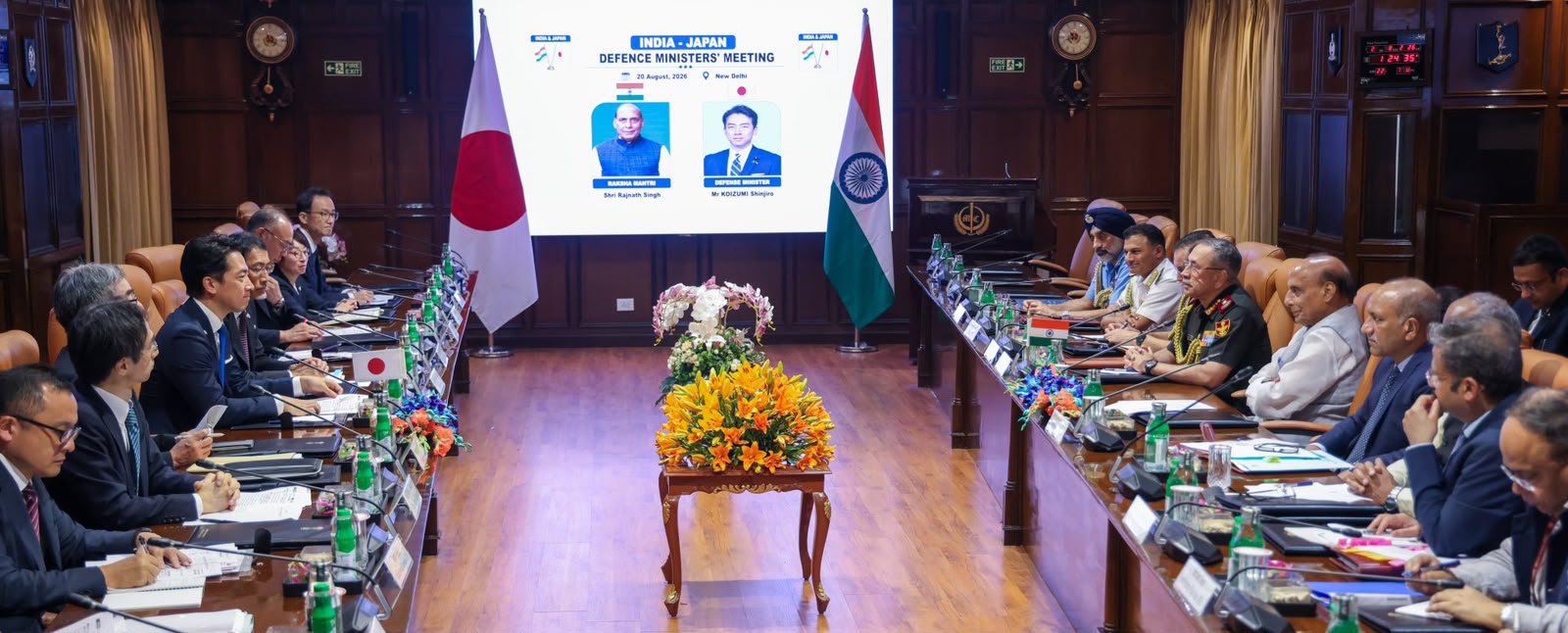
During the August 20 meeting, the two sides also welcomed preparations for the Veer Guardian 26 air exercise. Japan’s fighter aircraft are scheduled to participate in India for the first time in this exercise. The countries also discussed deeper cooperation between their defence research and technology organisations.
India’s Defence Research and Development Organisation and Japan’s Acquisition, Technology & Logistics Agency are expected to strengthen cooperation in advanced defence technologies.
A new working group at the Director-General/Joint Secretary level will coordinate cooperation in operational, intelligence, equipment, technology and industrial areas.