Methane Super-Emitters Oil Gas Risks Highlighted by New Study

Methane Super-Emitters Oil Gas Risks are becoming a major global concern as new satellite studies reveal that a small number of oil and gas sites are responsible for extremely high methane emissions. These powerful “super-emitters” release large amounts of methane into the atmosphere, increasing climate risks rapidly. The findings highlight how concentrated sources of pollution are driving global warming and why urgent action is needed to control these emissions.
Thank you for reading this post, don't forget to subscribe!Turkmenistan Emerges as a Major Hotspot
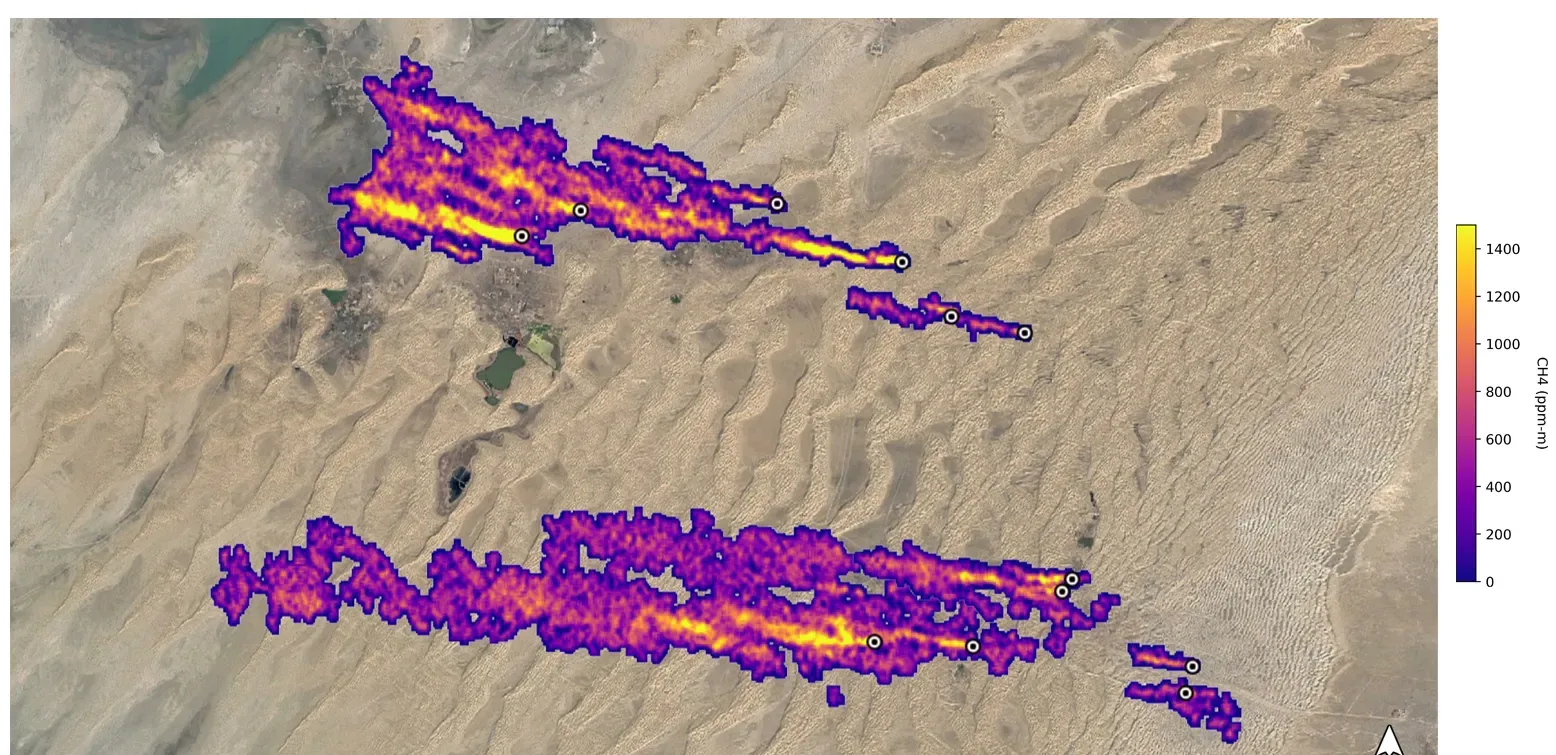
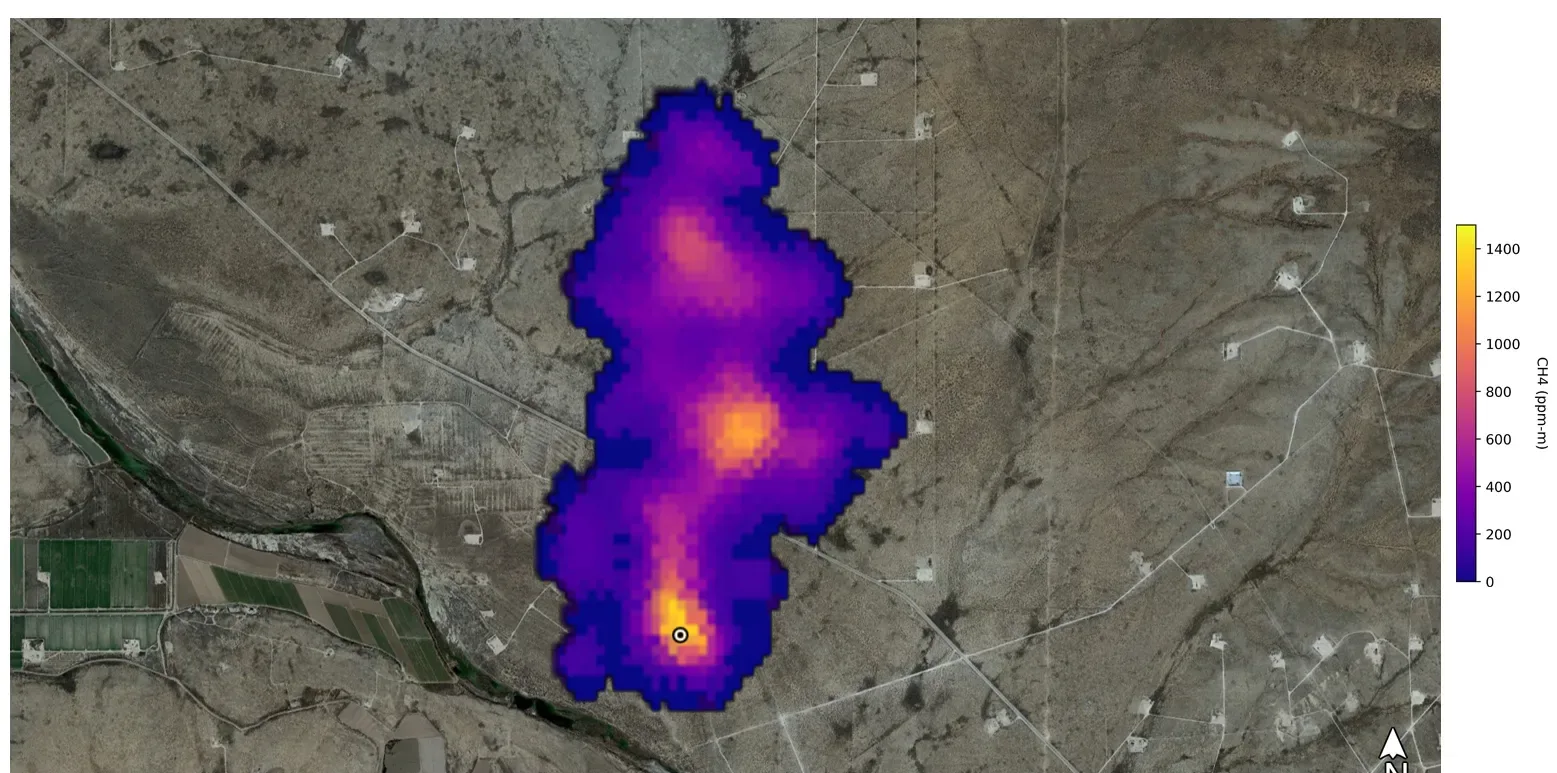
The findings show that Turkmenistan has the highest number of methane super-emitter sites. A large share of the world’s worst emission locations are concentrated in this region. Other affected areas include Iran, Venezuela, parts of the United States like Texas, and regions in Pakistan.
Satellite data identified over 3,000 to 4,400 methane plumes worldwide, showing how widespread the issue is. Turkmenistan alone accounts for a major portion of the top emission sites, making it a key area of concern.
Methane Super-Emitters Oil Gas Risks Causes
The main reasons for these intense methane emissions include equipment leaks, poor maintenance, and inefficient flaring systems in oil and gas facilities. Many of these problems are preventable.
Experts say that better monitoring systems and timely repairs can significantly reduce emissions. Since most leaks are avoidable, fixing them is considered both practical and cost-effective.
Methane Super-Emitters Oil Gas Risks and Climate Threat
Methane is one of the most powerful greenhouse gases. It traps much more heat than carbon dioxide, especially in the short term. Even though methane stays in the atmosphere for a shorter time, its impact on global warming is much stronger.
Large methane leaks can have the same climate impact as major industrial sources, such as coal power plants or millions of vehicles. This makes controlling methane emissions one of the fastest ways to slow climate change.
Role of Satellite Technology in Detection
Modern satellite tools are playing a key role in identifying methane super-emitters. These technologies can detect emissions in real time and help locate the exact source of leaks.
This improved monitoring allows governments and companies to take quick action and reduce emissions more effectively.
India Context: Landfills Add to Methane Risks
In addition to oil and gas, methane is also released from landfills, agriculture, and wastewater. In India, landfill sites like Ghazipur in Delhi are major sources of methane due to decomposing waste.
Some landfill emissions have reached extremely high levels, highlighting the need for better waste management systems and methane capture technologies.