Urban Water Legionnaires Surge in Global Cities

Urban Water Legionnaires Surge is becoming a serious public health concern as cases of Legionnaires’ disease rise in major cities like London and New York City. Health officials are now closely monitoring outbreaks linked to urban water systems.
Thank you for reading this post, don't forget to subscribe!What is Legionnaires’ Disease?
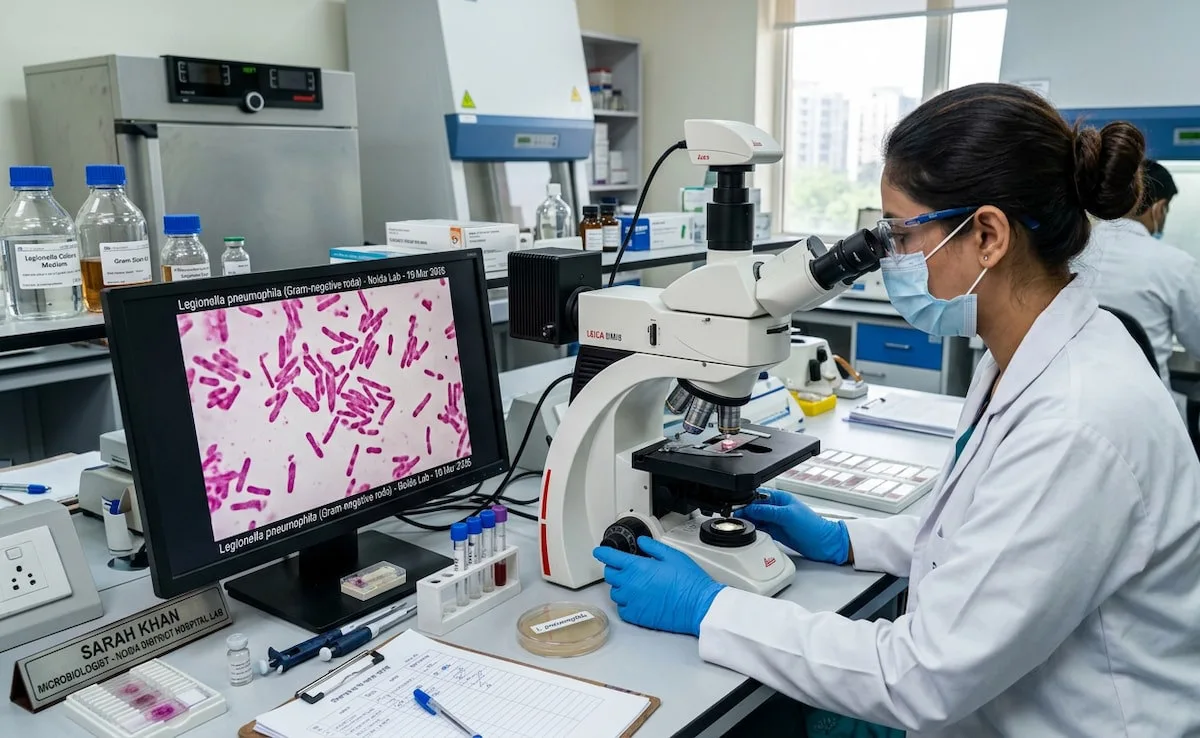
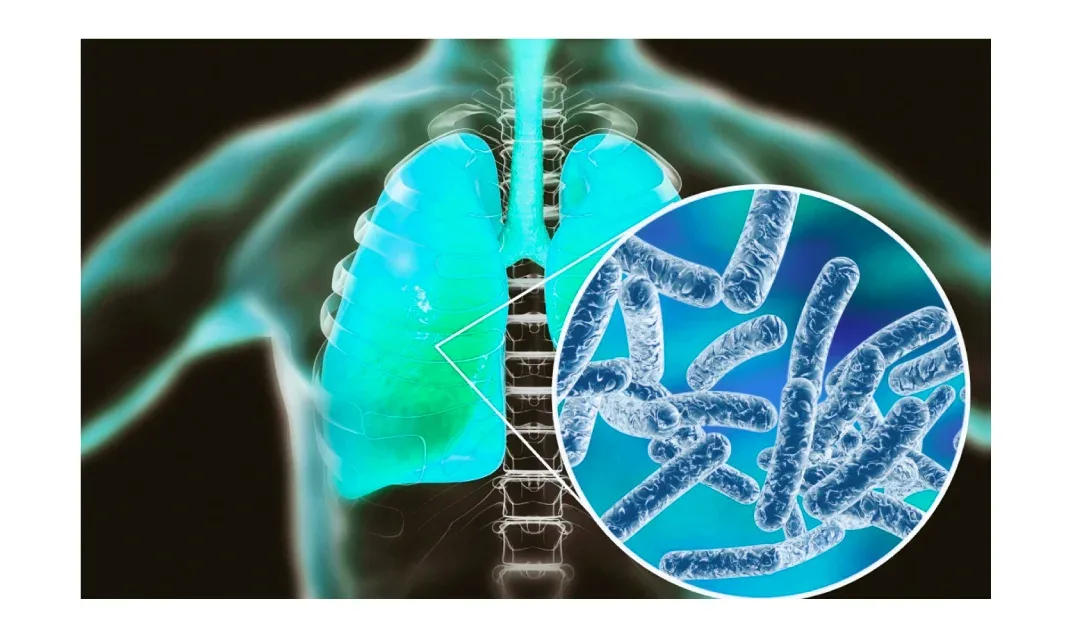
Legionnaires’ disease is a severe lung infection caused by Legionella bacteria. People get infected by breathing in tiny water droplets contaminated with the bacteria. It does not spread from person to person. Common symptoms include high fever, cough, breathing problems, muscle pain, and sometimes confusion. It usually appears within 2 to 14 days after exposure.
Urban Water Legionnaires Surge in Cities
Modern cities have complex water systems like cooling towers, air conditioners, and plumbing networks. These systems can become breeding grounds for bacteria if not properly maintained. In New York City, recent cases were linked to contaminated cooling towers. In London, old infrastructure and poor maintenance are being investigated as possible reasons for the rise in infections.
Climate and Maintenance Issues
Legionella bacteria grow well in warm and still water. Hot weather and rising global temperatures increase the risk. The use of air-conditioning systems also adds to the problem. Experts say most outbreaks happen due to poor maintenance, lack of cleaning, and failure to disinfect water systems regularly. These are preventable issues.
Key Facts About the Disease
Legionnaires’ disease is caused by Legionella bacteria found in water systems.
It spreads through inhaling contaminated water droplets.
Cooling towers and HVAC systems are common sources.
The death rate is around 5–10%, especially among older people and those with weak immunity.
Situation in India
India has reported some cases, but large outbreaks are rare. However, rapid urban growth, stagnant water storage, and poorly maintained systems increase the risk. Hospitals, hotels, and big residential buildings are more vulnerable. Regular cleaning, proper water temperature control, and routine inspections can help reduce the danger.