Brahmaputra Twin Tunnel Approved

Brahmaputra Twin Tunnel has received approval from the Union Cabinet, marking one of the most ambitious infrastructure projects ever planned in Northeast India. The project will create India’s first underwater rail-cum-road tunnel beneath the massive Brahmaputra River, a river known for its width, strong currents, and seasonal flooding. Located in Assam, the tunnel is expected to transform transport, trade, tourism, and regional connectivity across the entire Northeast.
Thank you for reading this post, don't forget to subscribe!The greenfield corridor will stretch about 33.7 kilometres and connect Gohpur on National Highway-15 with Numaligarh on NH-715. The total estimated cost of the project is around ₹18,662 crore. It will be implemented under the Engineering, Procurement and Construction model, meaning one contractor will handle design, construction, and delivery. This approach is often used for complex projects that require tight coordination and faster completion.
India’s First Underwater Rail-Road Corridor
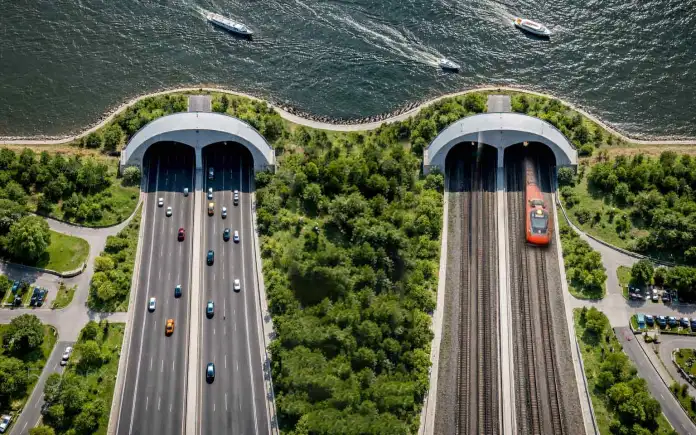
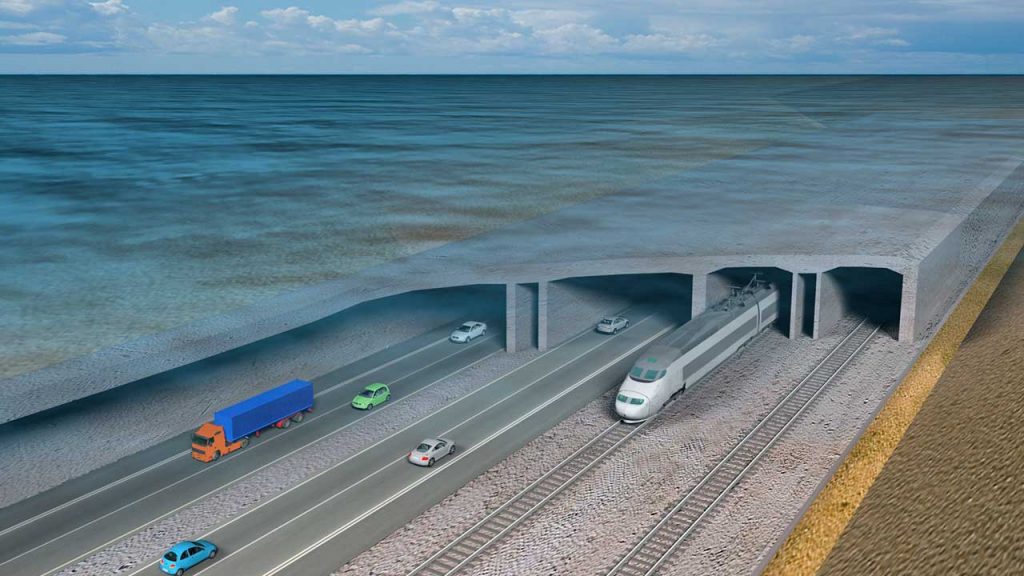
The most striking feature of the project is a 15.79-kilometre twin-tube tunnel running beneath the riverbed. One tube will carry railway tracks, while the other will function as a four-lane access-controlled highway for vehicles. This dual system allows trains and road traffic to move simultaneously while maintaining safety and efficiency.
In addition to the underwater section, engineers will build approach stretches using the cut-and-cover method. About 1.26 kilometres will be developed for road access and around 4 kilometres for rail connectivity. These sections will connect the tunnel seamlessly with existing transport networks on both sides of the river.
Once completed, the structure will become India’s first underwater road-and-rail tunnel and one of the few such facilities in the world. It demonstrates the country’s growing expertise in large-scale engineering and modern infrastructure development.
Brahmaputra Twin Tunnel Faster Travel Across the River
Currently, travel between Gohpur and Numaligarh requires a long detour via the Kaliabhomora bridge near Tezpur. The journey can cover nearly 240 kilometres and often takes around six hours depending on road conditions and traffic.
The new corridor will dramatically shorten this distance, allowing faster movement of passengers, goods, and emergency services. Reduced travel time means lower fuel consumption, less vehicle wear, and improved convenience for daily commuters.
For residents of towns and villages on both sides of the river, the tunnel will improve access to hospitals, schools, markets, and administrative centres. It may also encourage new residential and commercial development in surrounding areas.
Multimodal Connectivity for the Northeast
The Brahmaputra Twin Tunnel is designed as a multimodal transport corridor integrating road and rail systems. On the highway side, it connects NH-15 and NH-715, two major routes serving Upper Assam and nearby regions.
On the railway side, the tunnel will link the Rangia-Mukongselek line with the Furkating-Mariani loop line near Numaligarh. This connection will enable smoother passenger travel and more efficient freight movement across the region.
Such integration is particularly valuable in the Northeast, where terrain features like rivers, hills, and forests often limit transport options. A combined road-rail corridor reduces dependency on single routes and improves overall mobility.
Economic Growth and Trade Opportunities
Improved connectivity is expected to boost trade and industry across Assam and neighbouring states. Faster transport reduces logistics costs, making it easier for businesses to move raw materials and finished goods.
The corridor will link multiple economic centres, social hubs, and logistics nodes. Better access to railway stations, airports, and inland waterway terminals will create a more efficient supply chain network.
For farmers, small manufacturers, and traders, this could mean quicker delivery to markets and better prices for products. Enhanced connectivity may also attract new investment in sectors such as manufacturing, warehousing, and services.
Strategic Importance of the Project
The Northeast shares international borders with several countries, making transport infrastructure crucial for both development and security. Faster movement of personnel, equipment, and supplies can be vital during emergencies or natural disasters.
The tunnel will provide an additional crossing point over the Brahmaputra, reducing reliance on existing bridges. This backup route is especially important in a region prone to floods, landslides, and extreme weather events.
Improved connectivity also strengthens links between Assam, Arunachal Pradesh, and Nagaland, promoting regional cooperation and integration.
Boost to Tourism and Travel
Assam is home to many natural attractions, and better transport links can significantly increase tourist arrivals. One major beneficiary will be Kaziranga National Park, famous worldwide for its population of one-horned rhinoceroses.
Faster and more convenient travel routes will make it easier for visitors to reach the park and nearby destinations. Increased tourism can generate income for local communities through hotels, transport services, handicrafts, and guided tours.
Cities such as Dibrugarh and Itanagar will also benefit from improved connectivity, encouraging business travel and cultural exchange.
Employment and Local Benefits
Large infrastructure projects create significant employment opportunities during construction. The Brahmaputra Twin Tunnel is expected to generate nearly 80 lakh person-days of work, including both direct jobs at construction sites and indirect roles in supporting industries.
Local businesses supplying materials, equipment, food services, and transportation often benefit as well. Over time, improved infrastructure can attract private investment, leading to new industries and long-term job creation.
For many young people in the region, such development may provide opportunities closer to home, reducing migration to distant cities.
Engineering Challenges and Sustainability
Constructing a tunnel under one of Asia’s largest rivers requires advanced technology and careful planning. Engineers must consider strong currents, deep sediment layers, seismic risks, and environmental protection.
Modern techniques will be used to ensure safety, durability, and minimal ecological impact. Environmental safeguards are expected to protect aquatic life and surrounding communities during construction.
As a greenfield project, the tunnel will be built from scratch, allowing designers to incorporate modern safety features, efficient traffic management systems, and future expansion possibilities.
A New Era for Northeast Infrastructure
The approval of the Brahmaputra Twin Tunnel represents a transformative moment for the Northeast. By combining road and rail connectivity in a single underwater corridor, the project introduces a new model of transport infrastructure in India.
For millions of people across Assam and neighbouring states, the tunnel promises faster travel, improved economic prospects, and stronger links with the rest of the country. It also highlights the growing importance of the Northeast in national development plans.
As work progresses, the Brahmaputra Twin Tunnel is expected to reshape movement across the region, making transportation more efficient, reliable, and resilient while opening new pathways for growth and opportunity.