


Lakshadweep Potato Patch Coral Colony Discovery

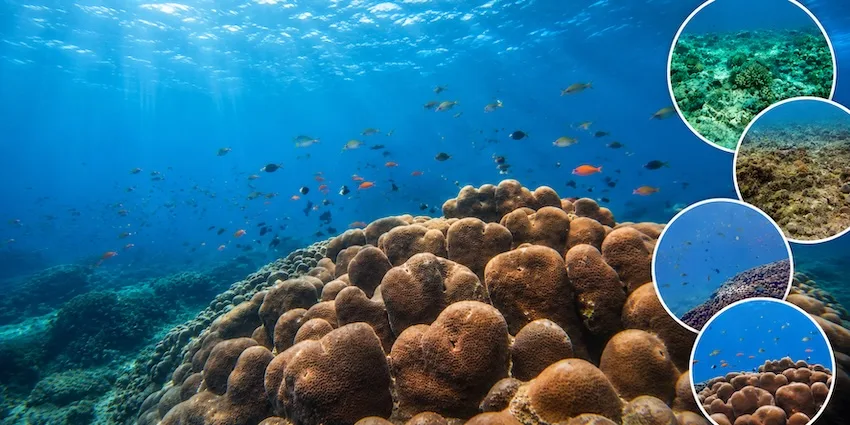
Lakshadweep Potato Patch Coral Colony has recently attracted the attention of marine scientists after the discovery of a massive living coral formation near Kadmat Island in Lakshadweep. Researchers have identified this giant coral colony as one of the largest known living coral structures of its kind anywhere in the world. The discovery highlights the rich marine biodiversity of India’s island ecosystems and emphasizes the need for coral reef conservation.
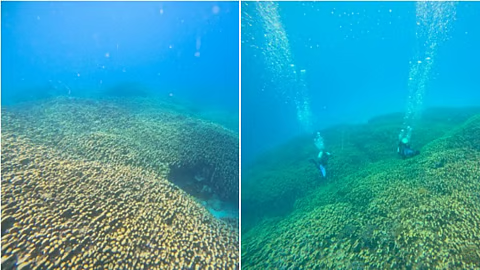
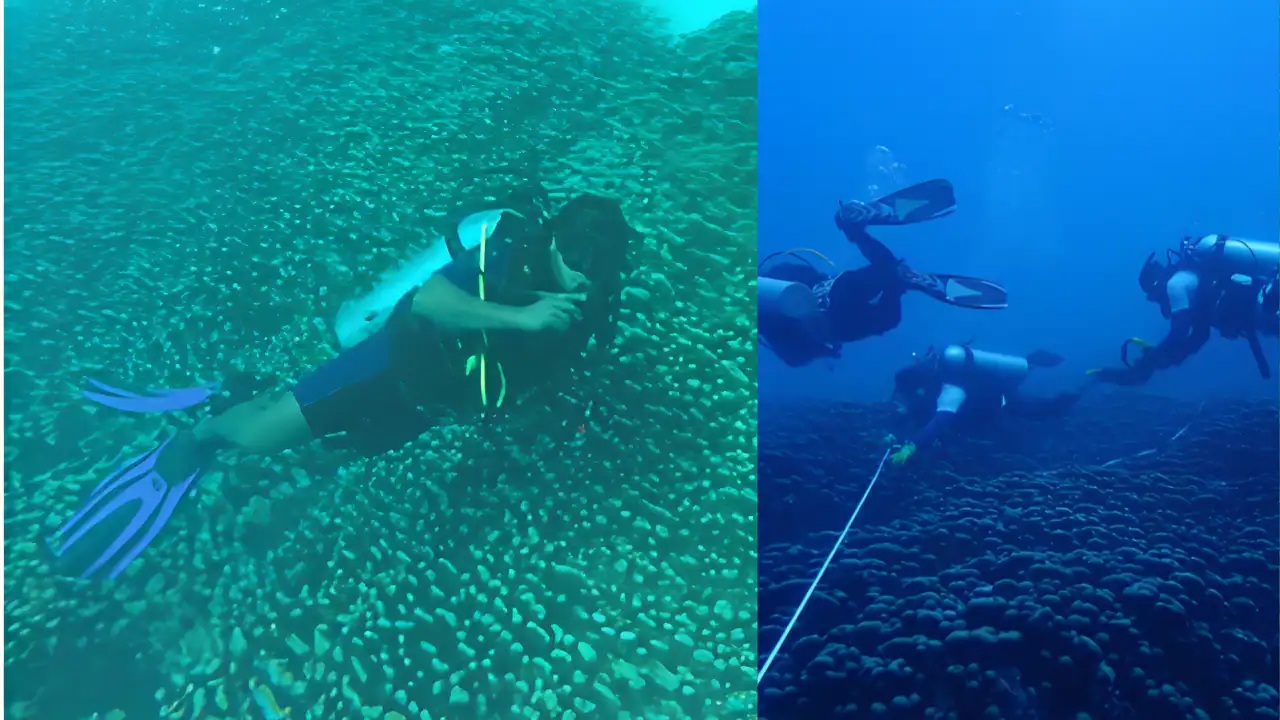
The coral colony, locally known as the “Potato Patch,” belongs to the species Pavona clavus. It spreads across approximately 4,250 square metres, making it an extraordinary natural wonder beneath the waters of the Arabian Sea. Scientists believe this coral formation could provide valuable information about the long-term health of coral reefs and the impact of climate change on marine ecosystems.

What is the Lakshadweep Potato Patch Coral Colony?
The Lakshadweep Potato Patch Coral Colony is a giant coral structure located near Kadmat Island, one of the inhabited islands of Lakshadweep. The colony is formed by Pavona clavus, a reef-building coral species commonly found in tropical oceans.
The coral begins on a shallow reef flat at a depth of around 5.2 metres and extends down a steep underwater slope to nearly 20 metres. Due to its large size and unique shape, local divers and researchers named it the “Potato Patch.”
This discovery has become an important topic in marine science because such large living coral colonies are rare and provide valuable information about ocean health and biodiversity.
Size and Estimated Age
One of the most remarkable features of the Potato Patch Coral Colony is its enormous size.
Key Details
| Feature | Information |
|---|---|
| Coral Species | Pavona clavus |
| Location | Kadmat Island, Lakshadweep |
| Area Covered | 4,250 square metres |
| Depth Range | 5.2 to 20 metres |
| Live Coral Cover | 58.47% |
| Estimated Age | 700–1,800 years |
The colony covers an area roughly equal to half of an international football field. Researchers estimate that the coral may be between 700 and 1,800 years old. However, scientific dating techniques will be required to determine its exact age.
The fact that more than 58 percent of the colony remains alive is particularly encouraging at a time when coral reefs around the world are facing increasing threats.
Why This Discovery Matters
The discovery of the Lakshadweep Potato Patch Coral Colony is important for several reasons.
Biodiversity Protection
Coral reefs support thousands of marine species, including fish, crustaceans, mollusks, and sea turtles. Healthy coral ecosystems act as underwater habitats and breeding grounds for many marine organisms.
Climate Change Research
Corals are highly sensitive to changes in ocean temperature. Studying an ancient coral colony can help scientists understand how marine ecosystems have survived environmental changes over centuries.
Coastal Protection
Coral reefs naturally reduce the impact of waves and storms on coastlines. They help prevent coastal erosion and protect island communities from extreme weather events.
Marine Tourism
Lakshadweep is becoming an important destination for eco-tourism and scuba diving. Discoveries like the Potato Patch can boost interest in responsible marine tourism while encouraging conservation efforts.
Coral Reefs of Lakshadweep
Lakshadweep is India’s smallest Union Territory and is located in the Arabian Sea. The islands are famous for their coral atolls, lagoons, and reef ecosystems.
Unlike many other parts of India, Lakshadweep consists primarily of coral-based islands. This makes the region extremely important for marine biodiversity conservation.
Features of Lakshadweep Coral Reefs
- Rich marine biodiversity
- Clear tropical waters
- Extensive coral atolls
- Important fish breeding habitats
- Support for local livelihoods and tourism
Because coral reefs are sensitive ecosystems, scientists regularly monitor their condition to understand the effects of environmental changes.
Scientists Behind the Survey
The giant coral colony was documented during a marine biodiversity survey conducted near Kadmat Island.
Several organizations participated in the research, including:
- Department of Science and Technology, Government of India
- Research and Environmental Education Foundation
- The Habitat Trust
The survey aimed to study marine life and assess the health of Lakshadweep’s coral ecosystems. The discovery of the Potato Patch became one of the most significant findings of the project.
Growing Concerns About Coral Health
Although the discovery is positive news, coral reefs worldwide continue to face serious challenges.
Major Threats to Coral Reefs
| Threat | Impact |
| Rising Sea Temperature | Coral bleaching |
| Ocean Pollution | Damage to marine habitats |
| Plastic Waste | Harm to marine species |
| Overfishing | Ecosystem imbalance |
| Coastal Development | Habitat destruction |
One of the biggest dangers is coral bleaching. This occurs when corals lose tiny algae called zooxanthellae that live inside their tissues. These algae provide food and color to corals. When ocean temperatures rise, corals become stressed and expel the algae, turning white and weakening their survival chances.
Recent reports from different parts of the world have shown that climate change continues to threaten coral reef systems. Therefore, discoveries like the Potato Patch are valuable for understanding how some coral colonies manage to survive over long periods.
Another Coral Discovery in Lakshadweep
The Potato Patch is not the only important marine discovery in Lakshadweep this year.
Earlier in February 2026, researchers recorded a coral reef stretch near Kalpeni Island. The reef extended for nearly 1.8 kilometres and covered around 12.99 hectares. Scientists identified approximately 35 coral species within that reef system.
These discoveries show that Lakshadweep remains one of India’s most important marine biodiversity hotspots.
Importance for India’s Marine Future
The Lakshadweep Potato Patch Coral Colony demonstrates the richness of India’s underwater ecosystems. As concerns about climate change and ocean health continue to grow, protecting coral reefs has become more important than ever.
Scientists believe that long-term monitoring of this giant coral colony could provide valuable information about reef resilience, biodiversity conservation, and marine ecosystem management. The discovery also highlights the need for stronger conservation efforts to protect Lakshadweep’s unique coral habitats for future generations.
With continued research and responsible environmental management, discoveries like the Potato Patch can help improve our understanding of the oceans while promoting sustainable development and marine conservation across India.