


India Joins BRICS Skills Centre: A New Chapter in Global Industrial Cooperation

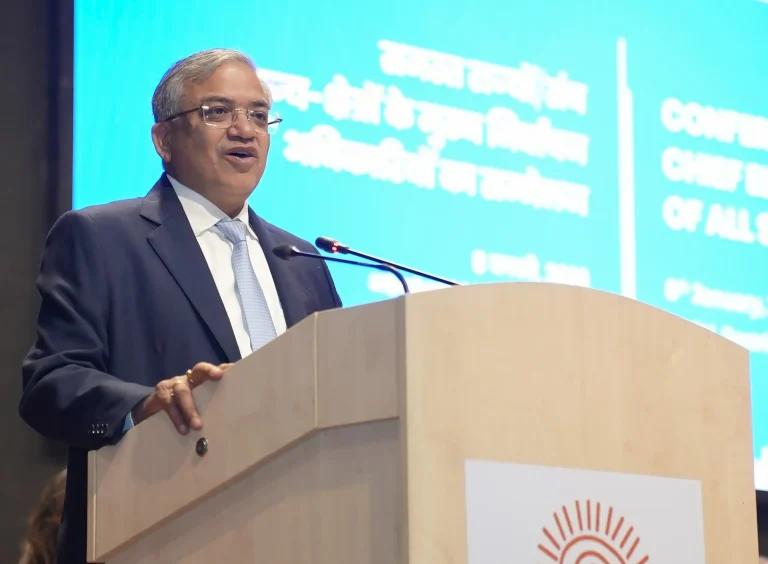
India Joins BRICS Skills Centre marks an important moment in the country’s growing engagement with global industrial and skill development platforms. With this move, India has formally become part of the BRICS Centre for Industrial Competencies (BCIC), strengthening cooperation among BRICS nations in manufacturing, technology, and workforce skills. The announcement was made at a high-level event organised by the Department for Promotion of Industry and Internal Trade (DPIIT) under the Ministry of Commerce and Industry at Vanijya Bhavan in New Delhi.
Thank you for reading this post, don't forget to subscribe!India’s participation reflects its broader vision of improving manufacturing competitiveness, supporting micro, small and medium enterprises (MSMEs), and preparing Indian industries for future technologies. As global manufacturing rapidly shifts towards digital and smart systems, this step places India in a stronger position to collaborate, learn, and lead alongside other major emerging economies.
What the BRICS Centre for Industrial Competencies Is About
The BRICS Centre for Industrial Competencies is a joint initiative of BRICS countries developed in partnership with the United Nations Industrial Development Organization (UNIDO). The centre has been designed as a one-stop platform that offers integrated support services to manufacturing enterprises and MSMEs across BRICS nations.
Its core focus is on building Industry 4.0 competencies. This includes smart manufacturing, digitalisation of industrial processes, productivity improvement, and continuous skill upgradation. These areas are becoming essential as industries worldwide adapt to automation, data-driven decision-making, and advanced technologies.
By joining the BCIC, India gains access to a shared ecosystem where best practices, tools, training programmes, and technical knowledge can be exchanged. This will help Indian industries align with global standards while also ensuring that local businesses, especially MSMEs, are not left behind in the transition to advanced manufacturing.
Why India’s Entry Matters
India Joins BRICS Skills Centre at a time when the country is pushing strongly for manufacturing-led growth. Initiatives such as Make in India, Atmanirbhar Bharat, and Production Linked Incentive schemes aim to expand industrial capacity and boost exports. However, technology adoption and skilled manpower remain key challenges, particularly for smaller firms.
Through BCIC, Indian enterprises can benefit from structured capacity-building programmes and international cooperation. The platform enables collaboration with other BRICS nations that are also working to modernise their industrial sectors. This shared approach can reduce learning gaps, lower costs, and speed up adoption of new technologies.
For India, this is not just about skills but also about productivity and competitiveness. Higher productivity directly supports economic growth, job creation, and sustainable industrial development.
Trust Fund Agreement with UNIDO
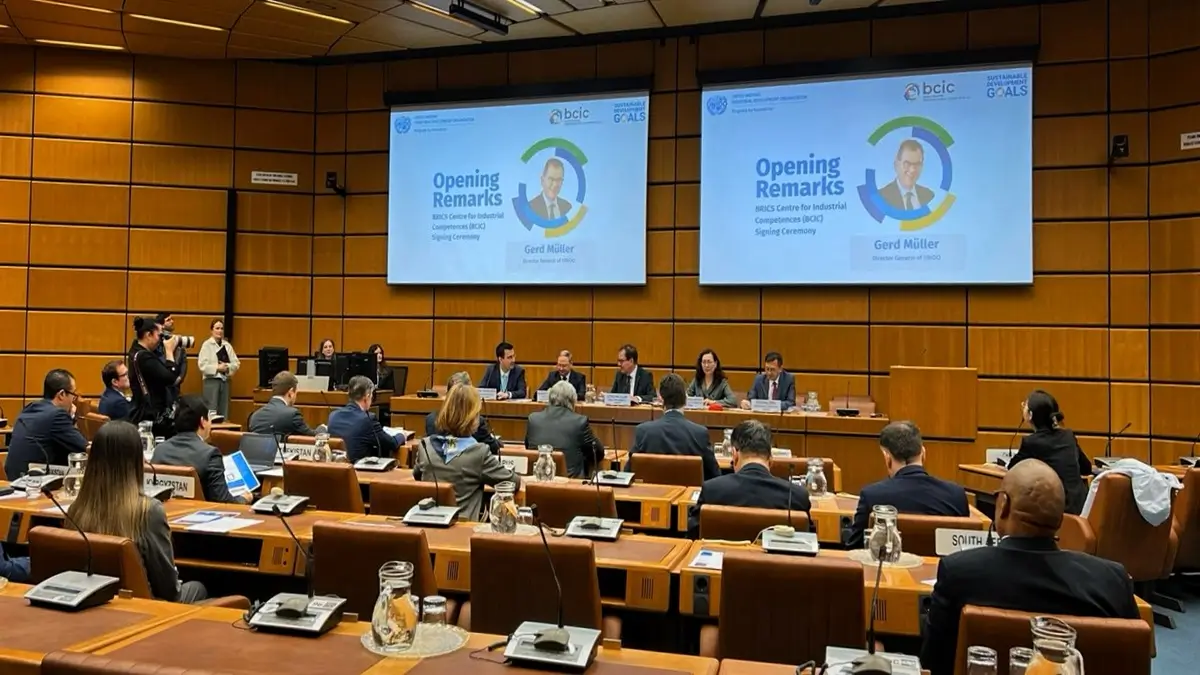
A major highlight of the event was the signing of a Trust Fund Agreement between DPIIT and UNIDO. This agreement formally sets the institutional and financial framework for India’s participation in the BCIC initiative.
The agreement was signed by Agrim Kaushal, Economic Adviser at DPIIT, and Dr. Cristiano Pasini, Director at UNIDO. With this step, India’s engagement with BCIC becomes structured and long-term. The Trust Fund will support various activities such as training programmes, technical assistance, pilot projects, and collaborative initiatives under the BCIC framework.
UNIDO’s involvement adds global expertise and credibility to the centre. It ensures that the programmes and standards followed by BCIC are aligned with international best practices while remaining adaptable to the needs of developing and emerging economies like India.
National Productivity Council as the Nodal Agency
The National Productivity Council (NPC) has been designated as the India Centre for BRICS Industrial Competencies. This decision gives NPC a central role in coordinating and implementing BCIC-related activities in the country.
Under the policy guidance of DPIIT and with technical support from UNIDO, NPC will lead capacity-building efforts and productivity enhancement programmes. Its focus will be on encouraging Indian industries, particularly MSMEs, to adopt advanced manufacturing practices.
NPC’s role will include organising training sessions, workshops, and knowledge-sharing platforms. It will also help industries assess their current productivity levels and guide them in adopting digital tools and smart manufacturing solutions. By acting as the bridge between global expertise and local industry needs, NPC is expected to play a key role in translating BCIC objectives into real outcomes on the ground.
Support for MSMEs and Industry 4.0 Adoption
One of the most important benefits of India joining the BRICS Skills Centre is the support it offers to MSMEs. These enterprises form the backbone of India’s manufacturing sector but often lack access to advanced technology, skilled manpower, and global networks.
Through BCIC, MSMEs can gain exposure to new manufacturing methods, digital solutions, and productivity tools. Training and skill development programmes under the centre can help workers and managers understand Industry 4.0 concepts in simple and practical ways.
This support is crucial as global supply chains increasingly demand higher quality, efficiency, and compliance with international standards. By upgrading skills and processes, Indian MSMEs can improve their competitiveness in both domestic and global markets.
High-Level Participation and Broader Impact
The event announcing India’s entry into BCIC was presided over by DPIIT Secretary Amardeep Singh Bhatia. It saw participation from senior officials of DPIIT, the Ministry of MSME, and the Ministry of External Affairs. Representatives from UNIDO and industry body Federation of Indian Chambers of Commerce and Industry were also present.
Such high-level participation highlights the strategic importance of this move. India Joins BRICS Skills Centre not only strengthens industrial collaboration within BRICS but also supports India’s long-term goals of productivity growth, technology adoption, and sustainable manufacturing.
As India deepens its engagement with global platforms like BCIC, the focus remains on building a skilled, competitive, and future-ready industrial ecosystem. This step signals India’s commitment to working closely with partner nations while empowering its own industries to thrive in a rapidly changing global economy.