Railways AI for Elephants: How Indian Railways Is Using Technology to Save Wildlife

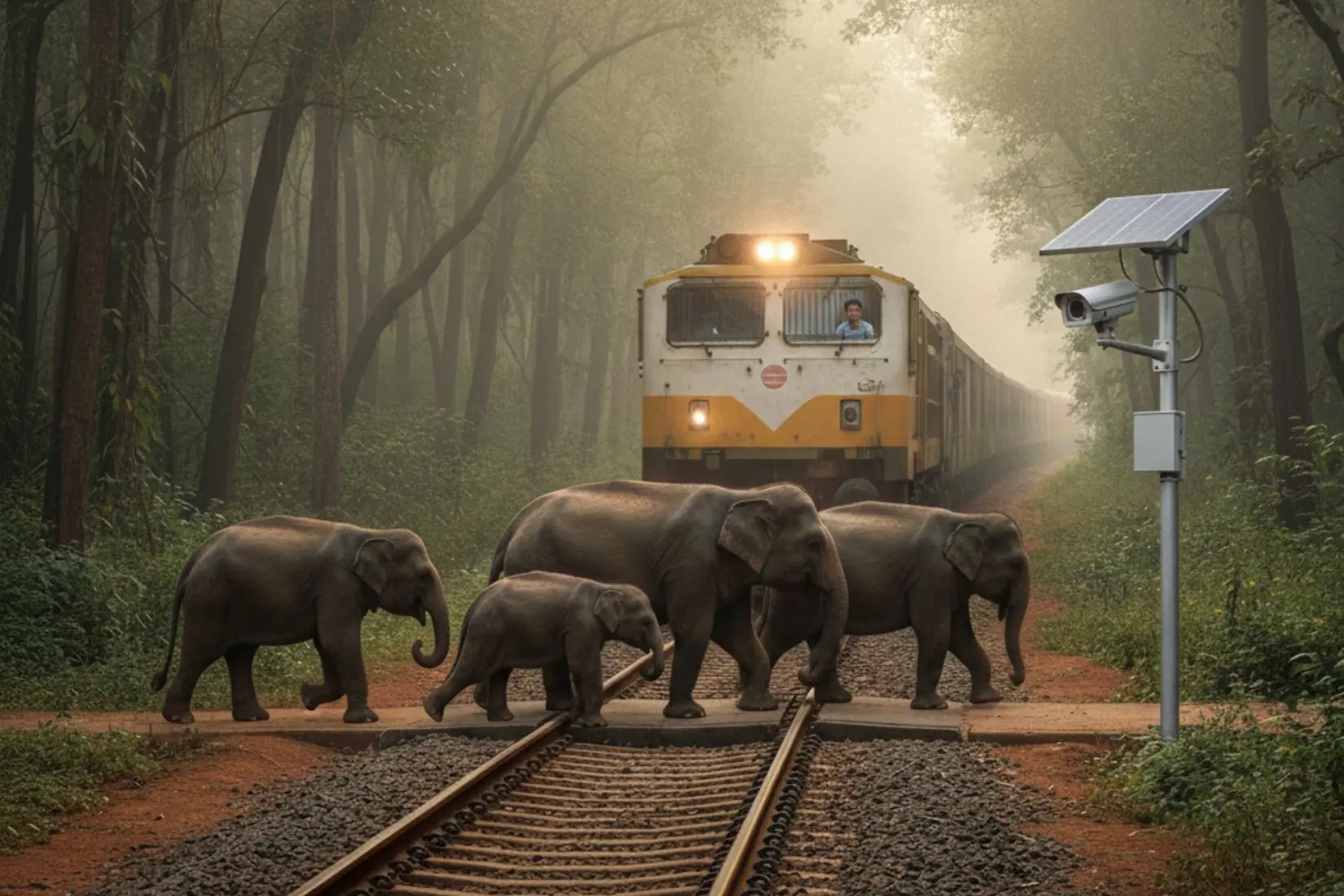
Indian Railways has taken a major step towards protecting wildlife by introducing advanced technology to prevent elephant deaths on railway tracks. The initiative, widely known as Railways AI for Elephants, focuses on reducing tragic collisions between trains and elephants in forested and wildlife-sensitive regions. These areas often overlap with traditional elephant corridors, making them high-risk zones for accidents.
Thank you for reading this post, don't forget to subscribe!Elephant-train collisions have been a long-standing concern in India, especially in states with dense forests and active railway routes. With artificial intelligence now entering railway safety systems, Indian Railways aims to balance infrastructure development with wildlife conservation.
Why Railways AI for Elephants Is Needed
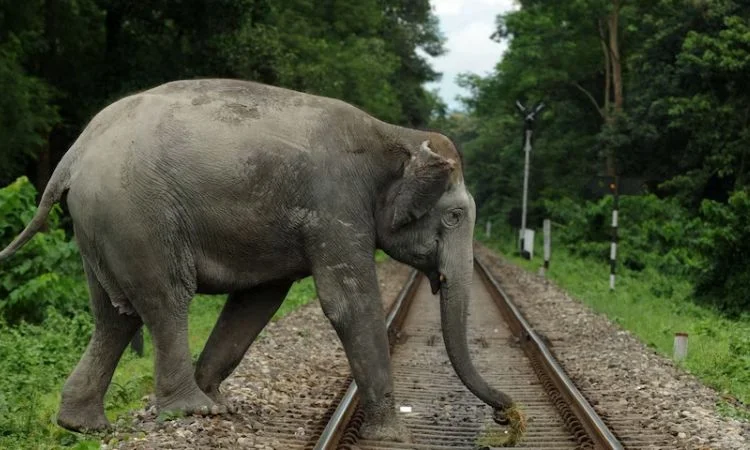
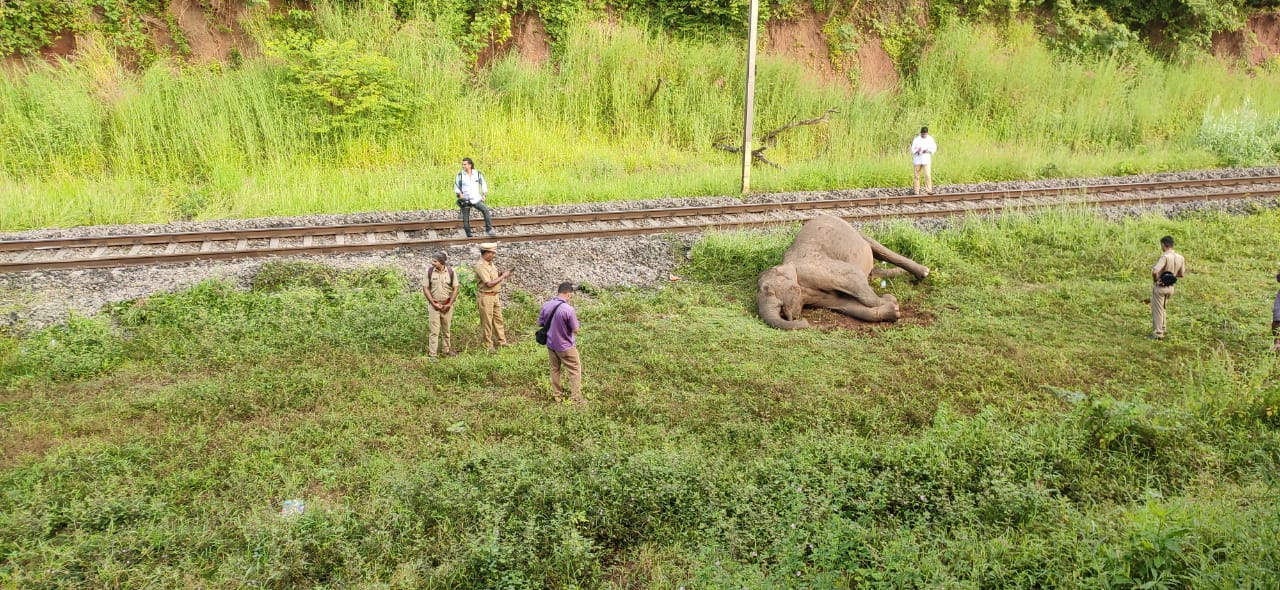
India is home to the largest population of Asian elephants in the world. Many railway lines pass through forests that elephants have used for generations. As train speeds increased and rail traffic grew, the number of accidents involving elephants also rose. On average, around 16 elephant deaths due to train accidents have been reported every year over the past five years.
These incidents not only cause the loss of precious wildlife but also disrupt train services and deeply affect local communities. The Railways AI for Elephants initiative was designed to address this serious issue using modern technology rather than relying only on manual monitoring.
How the AI-Based Intrusion Detection System Works
At the heart of Railways AI for Elephants is an artificial intelligence-enabled Intrusion Detection System. This system has been developed by Indian Railways in collaboration with the Ministry of Environment, Forest and Climate Change.
The technology uses Distributed Acoustic Sensors installed along optical fibre cables placed near railway tracks. These sensors are capable of picking up vibrations and sounds from the ground. What makes the system special is that it is pre-fed with specific acoustic patterns linked to elephant movement, such as footsteps and group motion.
When elephants move close to the tracks, the sensors detect these vibrations and send the data to the AI system. The AI then analyses the signals and confirms whether the movement is from elephants or another source, reducing false alarms.
Real-Time Alerts That Save Lives
One of the strongest features of Railways AI for Elephants is its ability to send real-time alerts. Once elephant movement is detected near the tracks, alerts are immediately shared with loco pilots, station masters, and railway control rooms.
This quick warning allows train drivers to slow down or stop trains well before reaching the danger zone. Even a small reduction in speed can make a big difference in preventing accidents, especially in forest areas where visibility is often low.
Currently, the system is operational across 141 route kilometres under the Northeast Frontier Railway. These areas were chosen because they are known elephant movement zones with a history of accidents.
Expansion Plans Across India
Seeing positive results from the initial deployment, Indian Railways has approved the expansion of Railways AI for Elephants to other zones. Several hundred additional route kilometres will soon be covered under this system.
Railway zones included in the expansion plan are the East Coast Railway, Southern Railway, Northern Railway, South Eastern Railway, North Eastern Railway, Western Railway, and East Central Railway. This wider coverage reflects Indian Railways’ long-term commitment to wildlife safety.
As the system expands, more elephant corridors will be monitored, creating a safer environment for both animals and train operations.
Strong Coordination With Forest Departments
Technology alone cannot solve wildlife challenges. Indian Railways works closely with state forest departments to strengthen the impact of Railways AI for Elephants. Union Minister Ashwini Vaishnaw informed the Lok Sabha that elephant-train collision cases are jointly investigated by railway officials and forest authorities.
This coordination helps identify accident-prone sections and apply immediate safety steps. These steps include imposing speed restrictions, issuing alerts to train crews, and holding regular meetings between railway and wildlife officials to review safety measures.
Forest departments also share data on elephant movement patterns, which helps improve the accuracy of the AI system over time.
Additional Safety Measures for Elephant Protection
Along with Railways AI for Elephants, Indian Railways has introduced several other methods to reduce risks. These include building underpasses and ramps that allow elephants to cross tracks safely, especially in known migration routes.
Vegetation near railway tracks is cleared to improve visibility, and warning signs are installed to alert train drivers. Solar-powered LED lighting has been set up in forest areas to improve night-time visibility without disturbing wildlife.
Innovative ideas are also being tested, such as honey bee buzzer devices that naturally repel elephants, thermal vision cameras for night detection, and elephant tracking collars managed by forest departments.
A Step Towards Responsible Infrastructure
Railways AI for Elephants shows how technology can be used responsibly to protect nature while supporting development. As railway networks continue to grow, such systems highlight the importance of planning infrastructure with environmental sensitivity.
By combining artificial intelligence, real-time communication, and strong coordination with forest authorities, Indian Railways is setting an example of how large public systems can adapt to ecological needs. The initiative not only saves elephants but also promotes safer and smoother railway operations across the country.
As the system expands further, Railways AI for Elephants could become a global model for wildlife protection in transport networks, proving that progress and conservation can move forward together.