NAMASTE Scheme Awareness in Pilibhit Boosts Safety and Social Security

The NAMASTE Scheme Awareness in Pilibhit is set to become an important step towards improving the lives of sanitation workers and waste pickers in the region. A special awareness programme will be organised on 26 February 2026 at Gandhi Prekshagrih, Gandhi Stadium, bringing together government officials, local representatives and sanitation workers under one roof. The event aims to spread awareness about the National Action for Mechanized Sanitation Ecosystem, popularly known as the NAMASTE Scheme, while reinforcing safety, dignity and social security for those engaged in sanitation work.
Thank you for reading this post, don't forget to subscribe!This initiative reflects the ongoing commitment of the Government of India to protect the rights and well-being of sanitation workers, especially Sewer and Septic Tank Workers and waste pickers, who often work under challenging and risky conditions.
Bringing Awareness to the Grassroots Level
The programme in Pilibhit, located in Uttar Pradesh, focuses on making workers aware of the benefits available under the NAMASTE Scheme. Many sanitation workers are not fully informed about government support systems designed for their safety, health and financial stability. By organising this awareness event at a local level, authorities aim to bridge this information gap and ensure that benefits reach the intended beneficiaries.
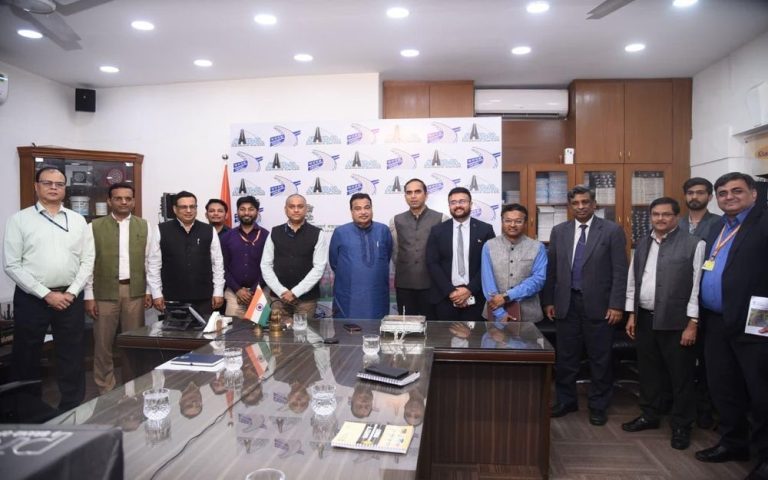
The presence of Union and State Ministers, Members of the Legislative Assembly, district administration officials and representatives from welfare institutions is expected to strengthen trust and encourage participation among sanitation workers.
Focus on Safety and Health Protection
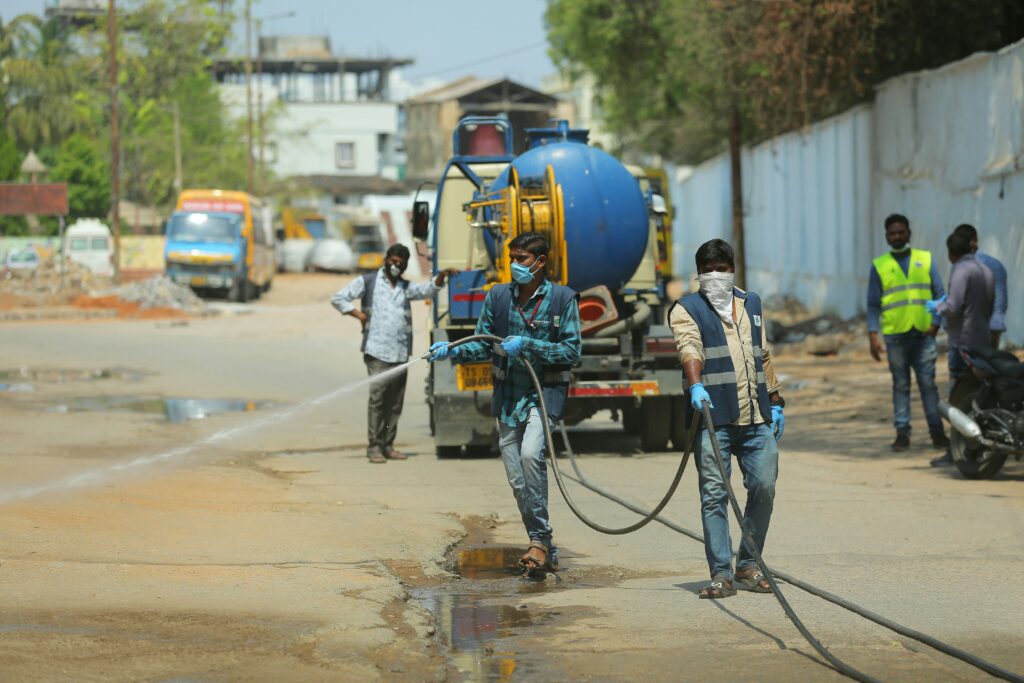
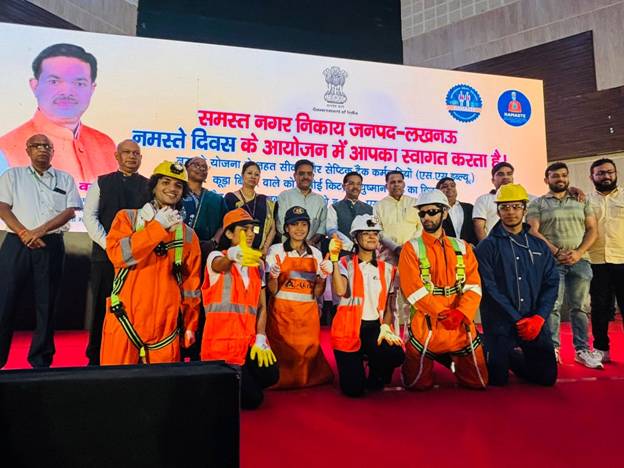
One of the key highlights of the NAMASTE Scheme Awareness in Pilibhit programme is the distribution of Personal Protective Equipment kits. Sanitation work often involves exposure to toxic gases, harmful waste and unhygienic environments. PPE kits, including gloves, masks, boots and protective clothing, are essential to reduce health risks and workplace accidents.
By distributing these kits, the programme promotes safer sanitation practices and sends a strong message that the lives and health of sanitation workers matter. This step also supports the broader goal of reducing occupational hazards and preventing long-term health issues among workers.
Expanding Access to Healthcare Support
Healthcare remains a major concern for sanitation workers due to the nature of their work and limited financial resources. During the event, eligible beneficiaries will receive Ayushman Cards, which allow access to healthcare services under government health protection schemes.
These cards provide financial relief during medical emergencies and routine treatments, reducing the burden of out-of-pocket expenses. The distribution of Ayushman Cards underlines the importance of social security and ensures that sanitation workers and their families can seek timely medical care without fear of financial hardship.
Supporting Alternative Livelihood Opportunities
Another important aspect of the NAMASTE Scheme Awareness in Pilibhit initiative is livelihood support through skill development. Beneficiaries who have completed skill training under the scheme will be provided with sewing machines. This support is aimed at helping workers explore alternative sources of income beyond hazardous sanitation work.
By encouraging skill-based livelihoods, the programme helps reduce economic dependence on unsafe jobs and opens doors to more stable and dignified employment options. This approach not only improves household income but also enhances confidence and self-reliance among beneficiaries.
Promoting Mechanised Sanitation Practices
The NAMASTE Scheme places strong emphasis on transitioning from manual and hazardous sanitation work to mechanised systems. Mechanisation reduces human involvement in dangerous cleaning activities and ensures safer working conditions.
Through awareness sessions and demonstrations, the programme in Pilibhit will highlight the importance of modern sanitation equipment and safe operational practices. This shift supports the long-term goal of eliminating unsafe sanitation practices while improving efficiency and hygiene standards.
Strengthening Dignity and Social Inclusion
At its core, the NAMASTE Scheme is about dignity, respect and inclusion. Sanitation workers play a crucial role in maintaining public health and cleanliness, yet they often face social stigma and neglect. The awareness programme seeks to change this narrative by recognising their contribution and ensuring they receive the respect and support they deserve.
By combining safety measures, healthcare access, livelihood support and mechanisation, the initiative aims to uplift sanitation workers socially and economically. It aligns with the government’s broader vision of inclusive development and prioritising the needs of vulnerable communities.
Coordinated Efforts for Lasting Impact
The participation of multiple stakeholders, including government departments, local administration and welfare organisations, highlights the importance of coordinated action. Such collaboration ensures that policy intentions translate into real benefits on the ground.
The NAMASTE Scheme Awareness in Pilibhit programme is expected to create a ripple effect by encouraging more workers to register under the scheme, adopt safe practices and access available benefits. It also sets an example for similar initiatives in other districts, reinforcing the commitment to safe, dignified and mechanised sanitation across the country.