India Solar Panel Recycling Framework Gains Momentum

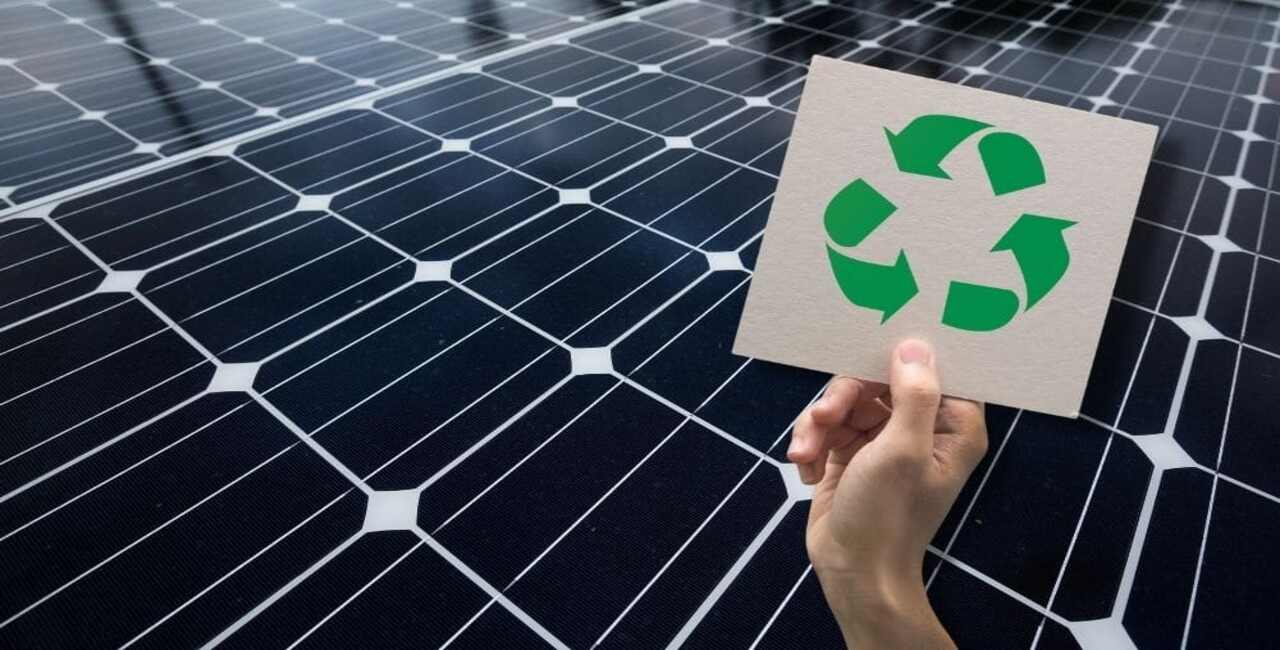
India Solar Panel Recycling Framework is becoming increasingly important as India prepares to manage the rising challenge of solar panel waste. With rapid growth in renewable energy, the country is expected to generate nearly 600 kilo-tonnes of solar waste by 2030. This has created urgency for strong recycling systems and sustainable practices.
Thank you for reading this post, don't forget to subscribe!Rising Solar Waste in India
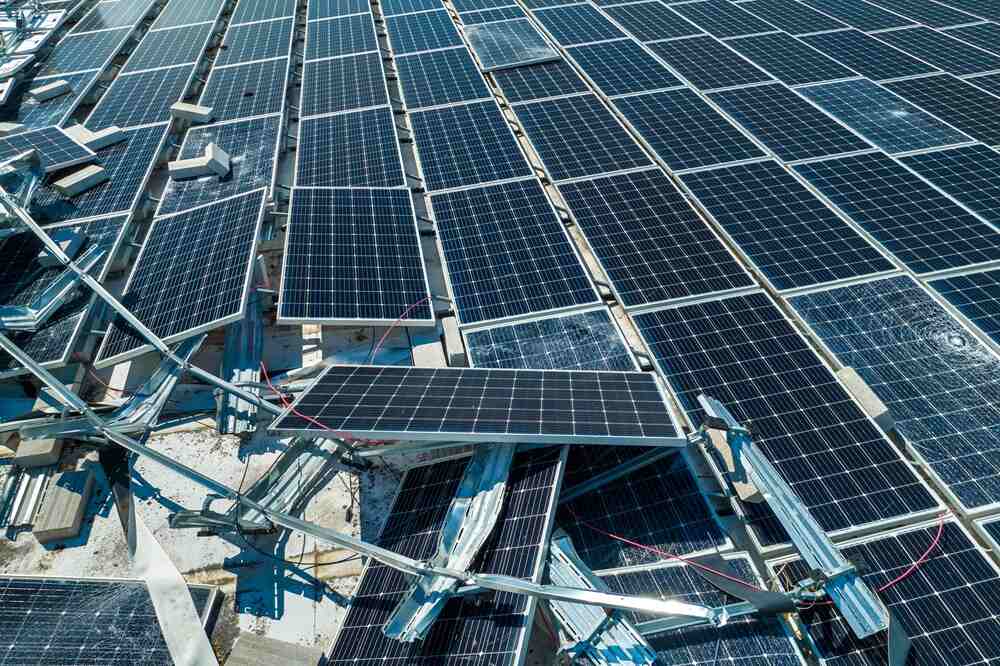
India’s push towards solar energy has brought environmental benefits, but it also creates future waste challenges. Studies supported by the Ministry of New and Renewable Energy and Council on Energy, Environment and Water highlight that managing solar panel waste is now a priority. Without proper systems, discarded panels could harm the environment.
E-Waste Rules Strengthen Regulation
The government has introduced the E-Waste (Management) Rules, 2022 to ensure safe handling of electronic waste, including solar panels. These rules provide a clear structure for collection, recycling, and disposal. They also ensure that all stakeholders follow responsible waste management practices.
Extended Producer Responsibility (EPR)
A key part of the framework is the Extended Producer Responsibility system. The Central Pollution Control Board has launched an online EPR portal. This system makes producers responsible for managing waste generated by their products. It helps track recycling targets and ensures proper reporting and compliance.
India Solar Panel Recycling Framework Push for Circular Economy
The government is promoting a circular economy in the renewable sector. The Ministry of New and Renewable Energy has formed committees to develop strategies for recycling and reuse of solar technologies. These efforts aim to reduce waste and improve resource efficiency. Innovation programs are also encouraging research in sustainable solar panel design and recycling methods.
Boost to Recycling and Resource Recovery
India is also focusing on building domestic recycling capacity. The Department of Science and Technology is supporting research through industry and academic partnerships. Meanwhile, the Ministry of Mines has launched a ₹1500 crore incentive scheme under the National Critical Mineral Mission. This initiative aims to recover valuable materials from solar and battery waste, reduce import dependence, and strengthen supply chains.