



India Urban Sustainability SDG 11: India’s Struggles and Progress Toward Inclusive Urban Development

India’s ranking in the Sustainable Development Report (SDR) 2025 improved to 99th among 167 countries, showcasing some progress toward the United Nations’ 2030 Agenda. However, when it comes to India Urban Sustainability SDG 11, challenges remain severe. SDG 11 seeks to make cities and human settlements inclusive, safe, resilient, and sustainable but India’s performance reveals deep-rooted urban inequalities, inadequate infrastructure, and fragile governance structures that hinder progress.
Thank you for reading this post, don't forget to subscribe!India Urban Sustainability SDG 11 and National Performance on Key Indicators
Under India Urban Sustainability SDG 11, four major indicators determine the progress of cities the proportion of slum populations, PM 2.5 pollution levels, access to improved piped water, and the availability of reliable public transport. Unfortunately, India’s trajectory on these indicators has been uneven.
The slum population and air pollution indicators have shown little improvement over the past decade. According to recent data, access to piped water declined in 2025, with only about 65% of urban households having access to improved piped water in 2022. Water supply in many Indian cities remains irregular and often contaminated. For instance, Mumbai’s average water supply lasts just over five hours daily, forcing many residents to treat water before consumption.
While some cities like Pune and Surat have initiated water recycling and supply monitoring systems, the broader picture across Indian urban centers is one of inequity and service gaps. The disparity between high-income and low-income households remains stark, indicating that India Urban Sustainability SDG 11 faces systemic challenges that go beyond mere infrastructure deficits.
Living Conditions in Urban Slums under India Urban Sustainability SDG 11
One of the core challenges under India Urban Sustainability SDG 11 lies in improving the living conditions of slum dwellers. Nearly half of slum households across India continue to live in inadequate, non-pucca houses without access to safe drinking water and sanitation. The daily struggle for basic amenities highlights the social and economic marginalisation of urban poor communities.
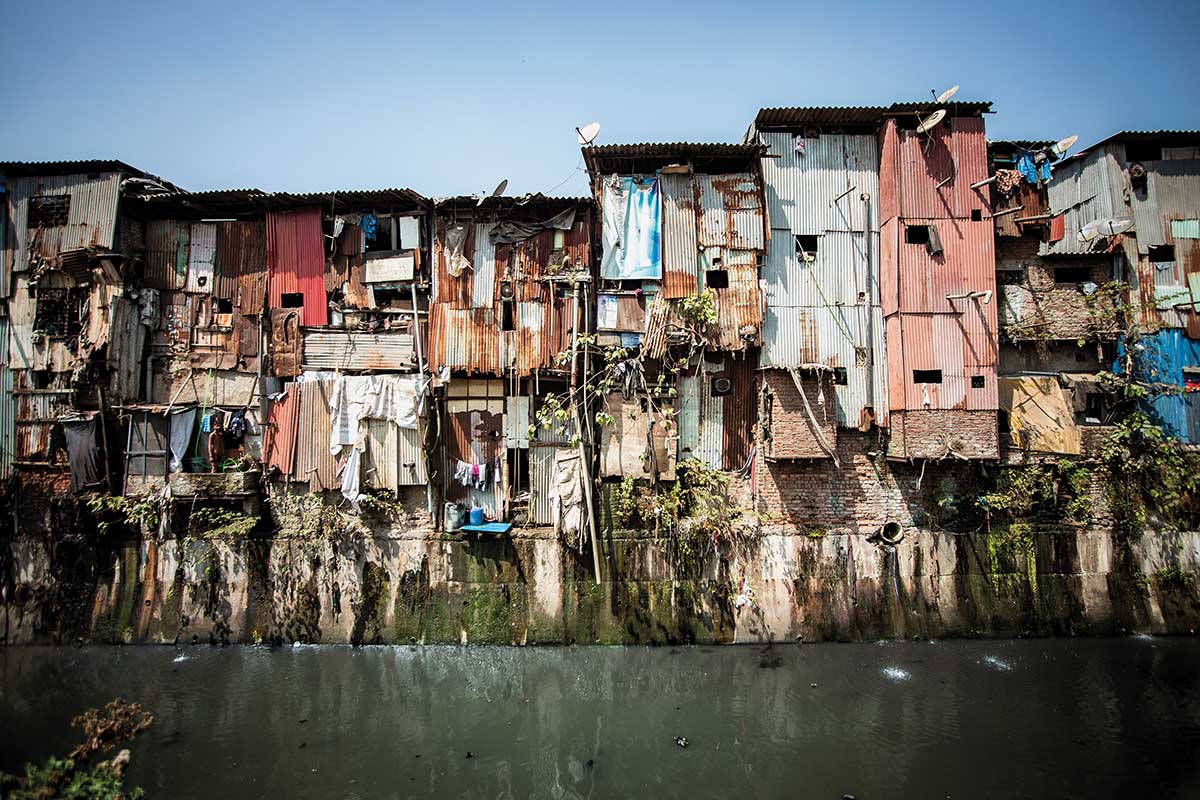
Water availability in slums remains far below government norms for example, slums in Mumbai receive just 45 litres per capita per day, compared to the recommended 135 litres. Moreover, slum residents often pay up to thirty times more for water supplied through tankers. Overcrowding, informal tenure, and lack of secure housing rights make residents even more vulnerable to eviction and exploitation.
Such conditions perpetuate socio-economic inequalities and weaken India’s progress toward achieving SDG 11’s inclusivity goals. Without systematic policy interventions focusing on affordable housing, clean water, and sanitation, India Urban Sustainability SDG 11 will continue to face setbacks.
Environmental and Disaster Vulnerabilities Affecting India Urban Sustainability SDG 11
Another pressing concern for India Urban Sustainability SDG 11 is environmental vulnerability. Indian cities face increasing risks from pollution, flooding, and climate-induced disasters. During monsoon seasons, cities like Chennai, Bengaluru, and Guwahati witness severe flooding due to poor drainage and unplanned construction. The urban poor bear the brunt of these disasters, often losing homes, livelihoods, and access to clean water and health services.
Despite growing awareness, resilience-building measures remain limited. Urban climate action plans exist in some cities but are poorly funded and weakly implemented. The lack of integration between disaster management and urban planning aggravates vulnerabilities. Air quality, waste management, and water conservation require urgent attention if India Urban Sustainability SDG 11 is to be achieved in time.
Urban Governance and Financial Constraints Impacting India Urban Sustainability SDG 11
Urban governance in India is heavily constrained by financial and administrative centralisation. Urban development is a state subject, which means city administrations have limited autonomy to design or implement local solutions. Despite the launch of various urban missions, service delivery remains inadequate due to the lack of funds and decision-making powers.
Over half of India’s municipal corporations fail to cover even half of their annual expenses through their own revenue sources. Smaller and medium-sized cities face severe financial stress, making them dependent on state and central transfers. This dependency hinders innovation and local-level accountability. Without fiscal decentralisation and greater city-level empowerment, the goals of India Urban Sustainability SDG 11 will remain aspirational rather than actionable.
Urban Development Programmes and Inclusivity under India Urban Sustainability SDG 11
Several urban development programmes have been implemented to address India’s growing urbanisation challenges from the Jawaharlal Nehru National Urban Renewal Mission (JNNURM) to the Smart Cities Mission. However, most initiatives under India Urban Sustainability SDG 11 have prioritised larger cities and commercially attractive zones over the needs of low-income residents.
Water, sanitation, and public health projects constitute less than 20% of completed Smart City projects. Housing affordability remains a persistent issue, especially for economically weaker sections (EWS) and lower-income groups (LIG). The Pradhan Mantri Awas Yojana–Urban (PMAY-U) provides subsidies for housing, yet its reach is limited. Many potential beneficiaries are excluded due to stringent eligibility and creditworthiness requirements.
The second phase, PMAY-U 2.0, has introduced credit risk guarantees to improve inclusiveness. Yet, to fully align with India Urban Sustainability SDG 11, urban schemes must prioritise the poorest, ensure transparency, and avoid elite capture.
Participation and Local Governance in India Urban Sustainability SDG 11
Public participation is a foundational principle of India Urban Sustainability SDG 11. The 74th Constitutional Amendment mandates the creation of Ward Committees to facilitate citizen participation in urban planning. However, the ground reality is different most cities either lack active committees or meet irregularly, leaving little room for genuine community engagement.
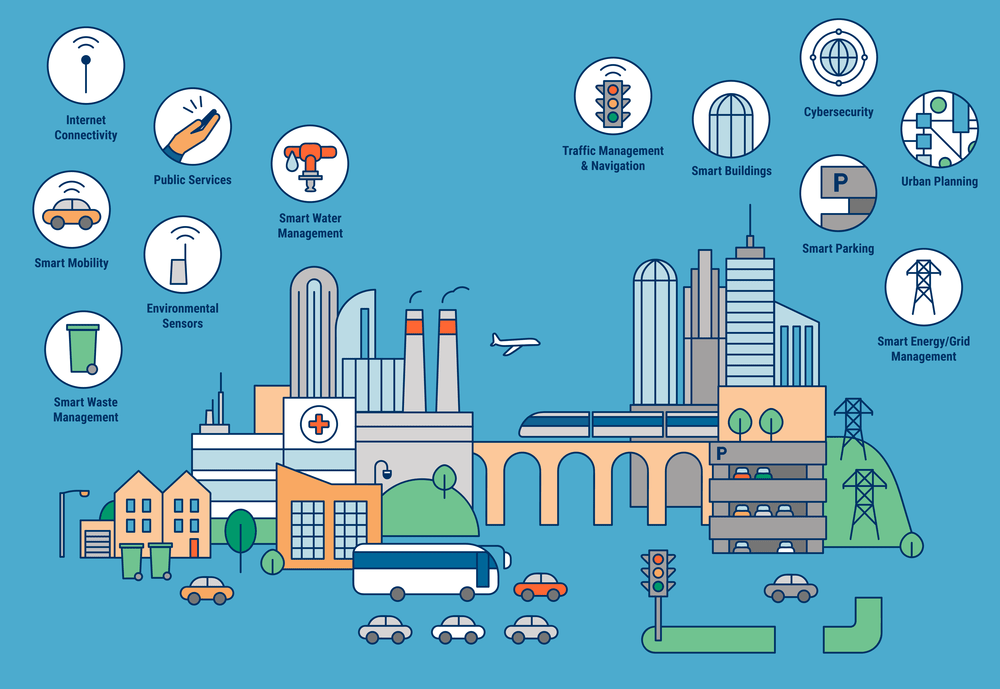
In many Smart City projects, citizen participation is often limited to digital feedback forms, which inadvertently exclude the urban poor who lack internet access. Without meaningful, on-the-ground participation, urban planning processes risk reflecting only the priorities of elite groups rather than addressing the broader social needs of the population.
A participatory approach that involves communities in decision-making especially in slum redevelopment, sanitation, and transport planning can help bring India closer to fulfilling India Urban Sustainability SDG 11.
Policy Recommendations for Strengthening India Urban Sustainability SDG 11
To make tangible progress toward India Urban Sustainability SDG 11, India must undertake comprehensive reforms that strengthen local governance and empower city administrations. Public investment in urban infrastructure should increase, focusing on equitable service delivery in water, sanitation, housing, and transport.
Cities must be granted greater financial autonomy to raise and manage their own resources while being held accountable through transparent mechanisms. Local development plans should be inclusive, integrating the voices of marginalised communities. Furthermore, private financing in urban infrastructure must be regulated to ensure it aligns with social and environmental objectives rather than profit motives.
A people-centric approach incorporating local knowledge, community participation, and accountability can transform India’s urban landscape into one that is truly sustainable, resilient, and inclusive, fulfilling the long-term vision of India Urban Sustainability SDG 11.