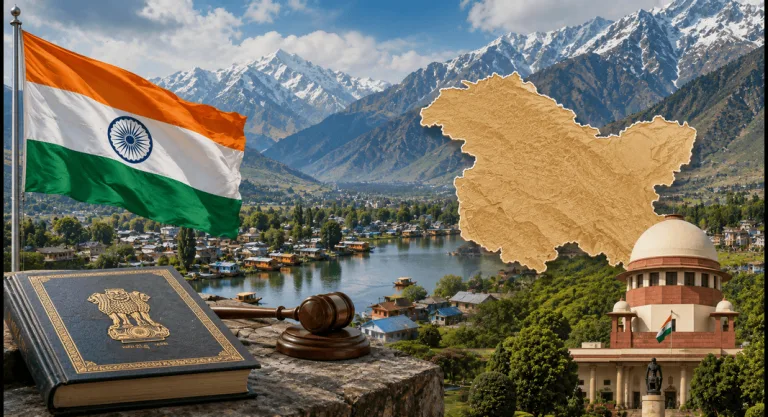




India Water Tribunal Extension Update

India Water Tribunal Extension has once again brought focus to long-running river water sharing issues across India. The government has extended the tenure of two major tribunals dealing with river disputes, giving them more time to continue their work.
Thank you for reading this post, don't forget to subscribe!These tribunals handle complex matters where multiple states depend on the same river systems. Water sharing has always been a sensitive issue, especially with growing population, agriculture needs, and climate change pressures.
The extension shows that discussions and decisions around river water sharing are still ongoing and require more time and coordination.
Understanding Water Dispute Tribunals
India Water Tribunal Extension highlights the role of special legal bodies formed under the Inter-State River Water Disputes Act, 1956. These tribunals are created to resolve disputes between states over river water use.
India has many rivers that flow across state boundaries. This makes water sharing complicated, as each state has its own needs for drinking water, farming, and industry.
The tribunals study data, listen to different states, and try to find a fair solution. Their work involves technical, legal, and environmental aspects.
Ravi and Beas Water Dispute
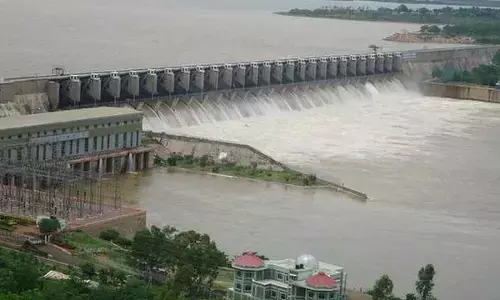
One of the key parts of the India Water Tribunal Extension is the continued work of the Ravi and Beas Waters Tribunal. This tribunal deals with water sharing between Punjab, Haryana, and Rajasthan.
The dispute has been ongoing for many years, with different states raising concerns about how water should be divided. The tribunal had submitted its findings earlier, but further clarifications were needed.
The rivers Ravi and Beas are important sources of water for agriculture in northern India. Any decision related to them has a direct impact on farmers and rural communities.
Krishna River Water Dispute
Another important tribunal covered under the India Water Tribunal Extension is the Krishna Water Disputes Tribunal. This body handles issues related to the Krishna River, which flows through several states.
States like Andhra Pradesh, Karnataka, Maharashtra, and Telangana depend on this river for irrigation and drinking water. As demand increases, sharing water fairly becomes more challenging.
The tribunal continues to work on balancing the needs of all states involved while considering future water availability.
Why Water Sharing Matters Today
The India Water Tribunal Extension is especially important in the current situation where water resources are under pressure. Climate change, irregular rainfall, and rising temperatures are affecting water availability.
At the same time, growing cities and industries are increasing demand. Farmers also rely heavily on river water for irrigation.
This makes it necessary to have clear and fair systems in place for sharing water. Without proper management, disputes can affect both economic growth and daily life.
Legal and Policy Framework
Water is mainly managed by states in India, but when rivers cross boundaries, the central government plays a role in resolving disputes. This is where tribunals become important.
The India Water Tribunal Extension ensures that these bodies can continue their work without interruption. Government notifications are used to officially extend their tenure.
This legal framework helps maintain order and provides a structured way to handle disagreements between states.
Long-Standing Nature of Disputes
The India Water Tribunal Extension also reflects how long these disputes have been ongoing. Some cases have been under discussion for decades.
This is because water sharing involves many factors such as population, rainfall patterns, and infrastructure. Changes over time can affect earlier agreements, leading to fresh discussions.
The extension gives tribunals more time to study these factors and work towards balanced solutions.
Impact on States and People
The decisions taken by these tribunals directly affect millions of people. Farmers depend on timely water supply for crops, while cities need water for daily use.
The India Water Tribunal Extension allows continued dialogue and decision-making, which is important for maintaining stability.
It also helps states plan their water use better, especially in times of shortage.
Changing Approach to Water Management
India is slowly moving towards more sustainable water management practices. There is increasing focus on conservation, efficient use, and technology.
The India Water Tribunal Extension is part of a larger effort to improve how water resources are managed across the country.
With better data, digital tools, and cooperation between states, the process of resolving disputes is expected to become more effective.