India’s Civil Aviation Safety Faces Urgent Challenges Amid Rising Passenger Growth

India’s Civil Aviation Safety is under the spotlight after a recent parliamentary report revealed systemic lapses in the country’s aviation framework. With passenger traffic growing rapidly, concerns are mounting over the regulator’s capacity, operational safety, and governance. The findings, triggered by the Air India Express AI171 crash, warn that without immediate reforms, India risks future disasters and potential international restrictions on its carriers.
Thank you for reading this post, don't forget to subscribe!DGCA Challenges
The Directorate General of Civil Aviation (DGCA), India’s aviation regulator, is struggling with severe staff shortages. Nearly half of the sanctioned posts remain vacant, and many technical officers serve on short-term deputations. This leads to high attrition and loss of institutional knowledge. Adding to the challenge, DGCA’s limited autonomy and comparatively low salaries make it difficult to recruit and retain skilled professionals.
Experts warn that unless staffing and autonomy issues are addressed, India could fail upcoming International Civil Aviation Organisation (ICAO) audits. Such failures could trigger restrictions on Indian airlines, affecting global connectivity and the credibility of India’s Civil Aviation Safety framework.
Air Traffic Control Overload
Air Traffic Control Officers (ATCOs) are also facing mounting pressures. Long shifts, limited staffing, and merged control sectors at night create dangerous workloads. This systemic fatigue threatens safe operations, particularly at India’s busiest airports.
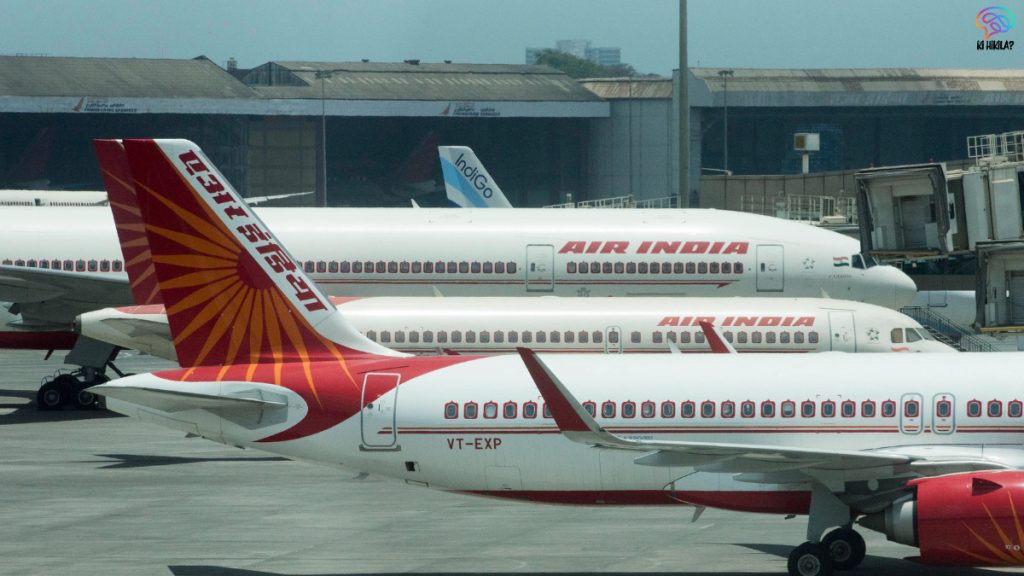
The report criticises the practice of granting duty-time exemptions, calling it “institutionalised overwork.” It strongly recommends a scientifically designed Fatigue Risk Management System (FRMS) and expansion of ATC training capacity to ensure timely deployments. Strengthening ATCO safety is central to enhancing India’s Civil Aviation Safety standards.
Enforcement Gaps
The report highlights that thousands of safety deficiencies remain unresolved, including many posing immediate risks. The DGCA’s enforcement is described as overly procedural, lacking real deterrence. Without stricter action, airlines and operators may continue neglecting crucial fixes.
The committee urges the DGCA to adopt stronger penalties such as hefty fines, licence suspensions, and even cancellations for repeated violations. Independent safety audits with binding timelines are also recommended to ensure accountability and measurable progress.
Helicopter Operations Oversight
Helicopter operations—particularly in pilgrimage zones and high-altitude regions—remain dangerously fragmented. Oversight is divided between state authorities and the DGCA, resulting in gaps that put lives at risk.
The parliamentary report recommends creating a unified national regulatory framework. It also calls for mandatory terrain-specific pilot training and a dedicated DGCA cell to monitor high-risk helicopter flights. Strengthening helicopter oversight is essential for holistic improvements in India’s Civil Aviation Safety.
Recurring Operational Risks
Runway incursions and near mid-air collisions are rising in number and have already exceeded ICAO safety benchmarks. Despite investigations, lessons often fail to translate into corrective action.
The report calls for root-cause analyses of every runway incursion and the introduction of remedial programmes at high-risk airports. It also emphasises accelerated installation of Instrument Landing Systems (ILS) and fog navigation aids to reduce risks during adverse weather.
Whistleblower Protection and Safety Culture
Another major weakness in India’s Civil Aviation Safety system is the lack of a supportive safety culture. A punitive approach discourages pilots, engineers, and ATCOs from reporting safety concerns. Heavy fines and penalties on individuals further undermine trust.
The report recommends adopting “just culture” principles, distinguishing honest mistakes from negligence. It also calls for robust whistleblower protection laws to ensure anonymity, prevent victimisation, and encourage open reporting of safety issues.
Dependence on Foreign Maintenance Facilities
India currently relies on foreign Maintenance, Repair and Overhaul (MRO) facilities for nearly 85% of heavy checks. This dependency costs airlines over ₹15,000 crore annually and creates strategic vulnerabilities during geopolitical disruptions.
To mitigate risks, the report suggests rationalising taxes on spare parts, incentivising domestic MRO hubs, and launching a national aviation skill mission to nurture local expertise. Strengthening the MRO ecosystem would also support long-term growth of India’s Civil Aviation Safety.
Governance Issues
Governance weaknesses add another layer of concern. The Airports Authority of India (AAI) still lacks a dedicated Member for Air Traffic Control on its Board, a long-standing gap that weakens strategic safety planning.
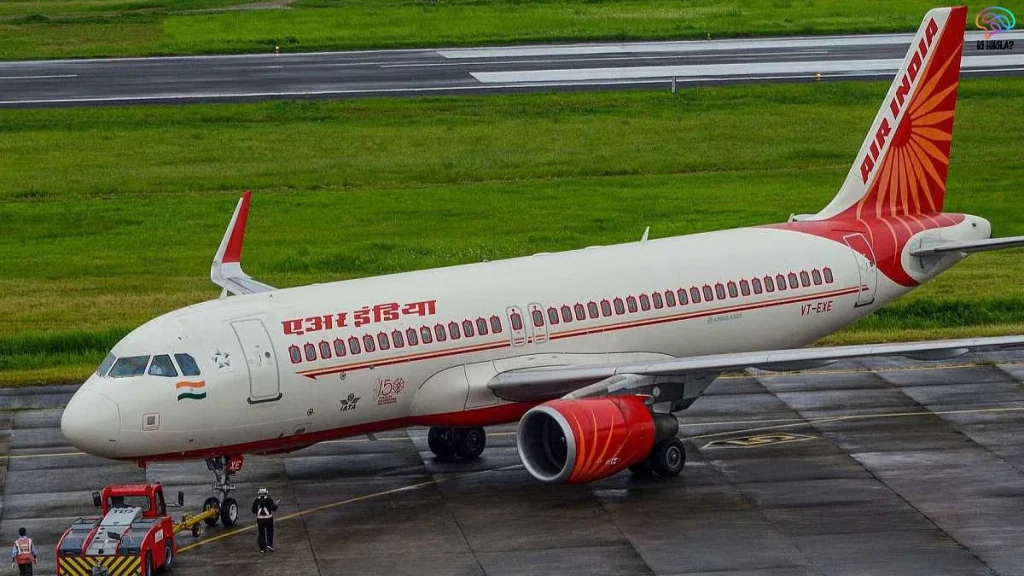
The committee labels this a “serious governance failure” and demands structural reforms to enhance oversight and accountability.
Conclusion
The parliamentary report underscores the urgent need to strengthen India’s Civil Aviation Safety framework. From under-resourced regulators and fatigued ATCOs to weak enforcement and MRO dependence, the challenges are multifaceted. With air passenger traffic projected to surge in the coming years, reforms are no longer optional—they are a necessity.
Unless immediate action is taken, India risks both domestic safety failures and international credibility losses. Strengthening institutions, promoting safety culture, and investing in human capital will be critical to ensuring that India’s skies remain safe as the nation’s aviation sector expands.