




Kerala Academic Syndicate: New Higher Education Reform Plan

Kerala Academic Syndicate has become a major topic in the education sector after the Kerala government announced a plan to establish a new apex body for higher education governance. The proposal was presented in the policy address of the 16th Kerala Legislative Assembly on 29 May 2026.
The new Academic Syndicate is expected to improve coordination among universities and help manage administrative and academic matters more effectively. The move is part of Kerala’s broader effort to modernize its higher education system and make university administration more efficient.

What is the Kerala Academic Syndicate?
The Kerala Academic Syndicate is a proposed institutional body that will focus on academic governance and coordination in the state’s higher education sector.
According to the proposal, the body will work as a central platform for addressing important academic and administrative issues across universities. It is expected to provide better representation for academic experts while also handling key academic decisions.
The government believes that a dedicated academic body can help improve the quality of higher education and create a more organized system for universities.
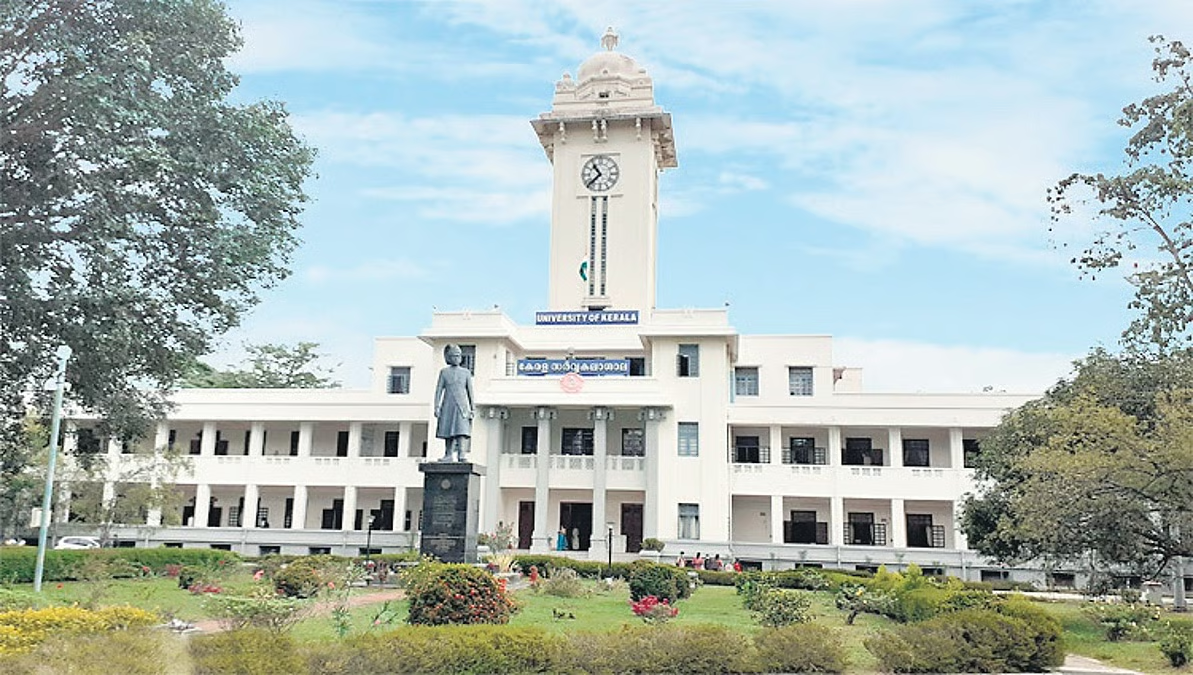
Why is the New Body Being Created?
Kerala has been working on several reforms in higher education over the last few years. The creation of the Academic Syndicate is seen as another step toward improving governance and reducing administrative challenges.
Some of the key reasons behind the proposal include:
- Better coordination among universities.
- Faster decision-making in academic matters.
- Stronger academic representation.
- Improved governance and transparency.
- Uniform standards across higher education institutions.
Education experts have often highlighted the need for a dedicated platform that focuses mainly on academic issues instead of combining all responsibilities under existing administrative structures.
Uniform Recognition of UGC-Approved Degrees
One of the important proposals announced along with the Academic Syndicate is the uniform recognition of degrees approved by the University Grants Commission (UGC).
This means that degrees recognized by the UGC will receive equal acceptance across educational institutions in Kerala. The move is expected to reduce confusion regarding degree validity and create a more transparent system for students and universities.
The proposal also supports the growing trend of interdisciplinary education and student mobility within the higher education sector.
Statewide Apprenticeship Exchange Platform
Kerala has also proposed a statewide apprenticeship exchange platform.
The platform aims to connect students with industries, businesses, and organizations that offer apprenticeship opportunities. Such a system can help young people gain practical experience while improving their employment prospects.
Many industries today seek candidates who have both academic knowledge and practical skills. The apprenticeship exchange platform is expected to bridge this gap by creating stronger links between education and industry.
Semester in Kerala Programme
Another significant proposal is the “Semester in Kerala” programme.
The initiative is designed to attract students from different parts of India and abroad to study in Kerala for a semester. The programme could help promote academic exchange, cultural interaction, and research collaboration.
If implemented successfully, it may increase Kerala’s reputation as a destination for quality higher education and research.
Jawaharlal Nehru Scientific Centres
The state government has also proposed establishing Jawaharlal Nehru Scientific Centres.
These centres are expected to encourage scientific learning, innovation, and research activities. They may provide opportunities for students, researchers, and educators to work on scientific projects and technological development.
The proposal aligns with India’s growing focus on innovation, research, artificial intelligence, and advanced technologies.
Background of University Reforms
The latest announcement follows earlier university reform efforts in Kerala.
In January 2025, the state cabinet approved a bill proposing changes to the structure of university syndicates. The bill aimed to reduce the size of syndicates and make decision-making more efficient.
It also suggested transferring the authority for approving degree certificates from university senates to syndicates. The objective was to simplify administrative processes and reduce delays.
These reforms indicate Kerala’s continuing effort to strengthen university governance and improve institutional performance.
Review of Existing University Laws
The idea of creating an Academic Syndicate was also discussed in a policy document released in February 2026.

The document recommended a comprehensive review of existing university laws and regulations. It highlighted the need for modern governance structures that can respond to changing educational requirements.
As technology, research, and global education trends continue to evolve, state governments are increasingly looking for ways to make universities more flexible and efficient.
Higher Education in a Changing World
The announcement comes at a time when higher education institutions across India are adapting to digital learning, skill-based education, research collaboration, and international partnerships.
Universities are focusing more on innovation, industry connections, and global competitiveness. Kerala’s proposed Academic Syndicate is expected to support these goals by creating a stronger governance framework and encouraging better coordination among institutions.
The initiative reflects the state’s long-term vision of building a modern higher education system that can meet future academic and economic needs.