



KFD Death in Karnataka: Young Man’s Sudden Demise Highlights Hidden Dangers of Monkey Fever

KFD Death in Karnataka has brought renewed attention to Kyasanur Forest Disease (KFD), a little-known but dangerous viral infection that affects people living in and around forest areas. A 29-year-old man from Tirthahalli taluk in Karnataka lost his life after contracting the disease, despite early diagnosis and timely medical care. The patient passed away on January 28 at a hospital in Udupi district, highlighting that even quick treatment does not always guarantee recovery.
Thank you for reading this post, don't forget to subscribe!This tragic incident has once again reminded health authorities and the public that KFD, also known as monkey fever, remains a serious public health challenge in parts of southern India.
A Young Life Lost Despite Early Care
Health officials confirmed that the patient was tested for KFD within a day of developing symptoms. Doctors initially reported that he was stable and responding to treatment. However, his condition worsened suddenly after several days, leading to his death.
Experts describe this case as unusual because most patients who are diagnosed early tend to recover. This unexpected deterioration has raised concerns about how unpredictable the disease can be, even when medical intervention is prompt.
Authorities are now closely monitoring surrounding areas and stepping up surveillance to prevent further cases.
Understanding Kyasanur Forest Disease
Kyasanur Forest Disease is a viral infection that was first identified in Karnataka’s forests in the 1950s. It mainly affects people who enter forested areas for work or daily activities, such as farmers, wood collectors, and villagers living near forests.
The disease gets its name from the Kyasanur forest region, where it was first discovered. Over the years, cases have also been reported from neighboring states, but Karnataka remains the most affected.
KFD is classified as a viral hemorrhagic fever, meaning it can cause bleeding and severe complications.
How the Disease Spreads
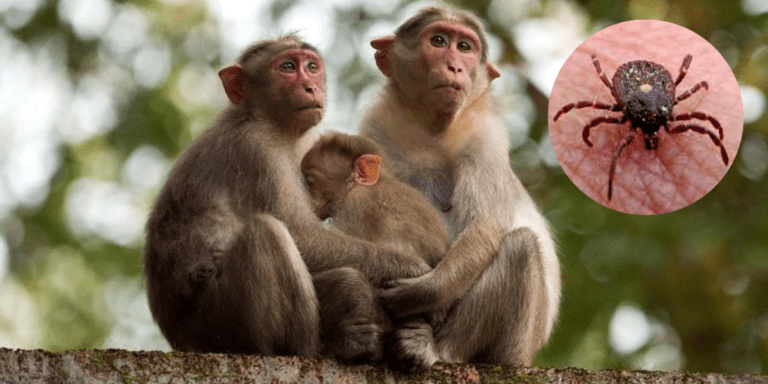
Although commonly called monkey fever, KFD does not spread directly from monkeys to humans. Instead, the virus is transmitted through the bite of infected forest ticks, mainly a species known as Haemaphysalis spinigera.
Monkeys and small animals such as squirrels and rodents act as hosts for these ticks. When monkeys die due to KFD, it often signals the presence of infected ticks in that area.
Humans may become infected in two main ways:
- Through the bite of an infected tick
- By handling sick or dead animals that carry the virus
Importantly, there is no evidence of human-to-human transmission.
Seasonal Pattern of KFD
KFD cases usually follow a seasonal pattern. Infections begin to appear around October and tend to increase during the winter months. The number of cases often peaks between January and April, which coincides with increased human activity in forests.
This seasonal trend helps health authorities plan vaccination drives and awareness campaigns ahead of time.
Common Symptoms to Watch For
Symptoms of KFD usually appear within 3 to 8 days after exposure. The illness often begins suddenly and may include:
- High fever with chills
- Severe headache
- Body pain and muscle aches
- Extreme weakness and fatigue
As the disease progresses, some patients may develop:
- Bleeding from nose, gums, or throat
- Low blood pressure
- Low platelet count
- Nausea and vomiting
In more severe cases, neurological problems such as tremors, stiffness, confusion, or vision disturbances may occur.
Because these symptoms can resemble other infections, early testing is essential in forested regions where KFD is known to exist.
Why Early Detection Matters
Early diagnosis allows doctors to provide supportive treatment that can reduce complications. While there is no specific antiviral drug for KFD, proper medical care can make a significant difference.
Supportive treatment includes:
- Intravenous fluids
- Monitoring vital signs
- Managing bleeding
- Treating secondary infections
Most patients recover with timely care, which is why the recent death has drawn attention.
Vaccination and Prevention Efforts
Karnataka has a vaccination program for people living in high-risk areas. The vaccine requires multiple doses and booster shots to remain effective.
Prevention remains the strongest defense against KFD. Health experts advise the following measures:
- Avoid entering forests during outbreak seasons if possible
- Wear long-sleeved shirts, long pants, and closed shoes
- Use tick repellents on skin and clothing
- Check the body for ticks after visiting forested areas
- Do not touch sick or dead animals
Communities are also encouraged to report monkey deaths immediately, as these can signal the presence of the virus.
Public Health Response
Following the reported KFD death in Karnataka, health officials have intensified surveillance in Tirthahalli and nearby regions. Medical teams are tracking people who may have been exposed and ensuring that vaccination coverage is improved.
Awareness campaigns are being strengthened to educate villagers about symptoms, prevention methods, and the importance of seeking medical help early.
A Reminder of an Ongoing Threat
The recent KFD death in Karnataka serves as a powerful reminder that monkey fever remains a real and ongoing threat in forested regions. While many people may not be familiar with this disease, its impact on affected families and communities can be devastating.
Strengthening vaccination programs, improving awareness, and maintaining strong surveillance systems are essential steps to reduce future deaths. For those living near forests, staying informed and cautious can save lives.