World Malaria Day: A Global Fight for Life

World Malaria Day is observed every year on April 25 to recognize global efforts to control, prevent, and eventually eliminate malaria. This important day reminds the world that malaria is still a serious public health problem, especially in many developing countries. It also highlights the hard work of doctors, researchers, health workers, governments, and organizations who are fighting every day to save lives from this deadly disease.
Thank you for reading this post, don't forget to subscribe!The main aim of World Malaria Day is to raise awareness about malaria, educate people about its causes, symptoms, prevention, and treatment, and encourage governments and organizations to take stronger action. Even though malaria can be prevented and treated, it still affects millions of people every year. By spreading knowledge and taking action, the world can move closer to a malaria-free future.
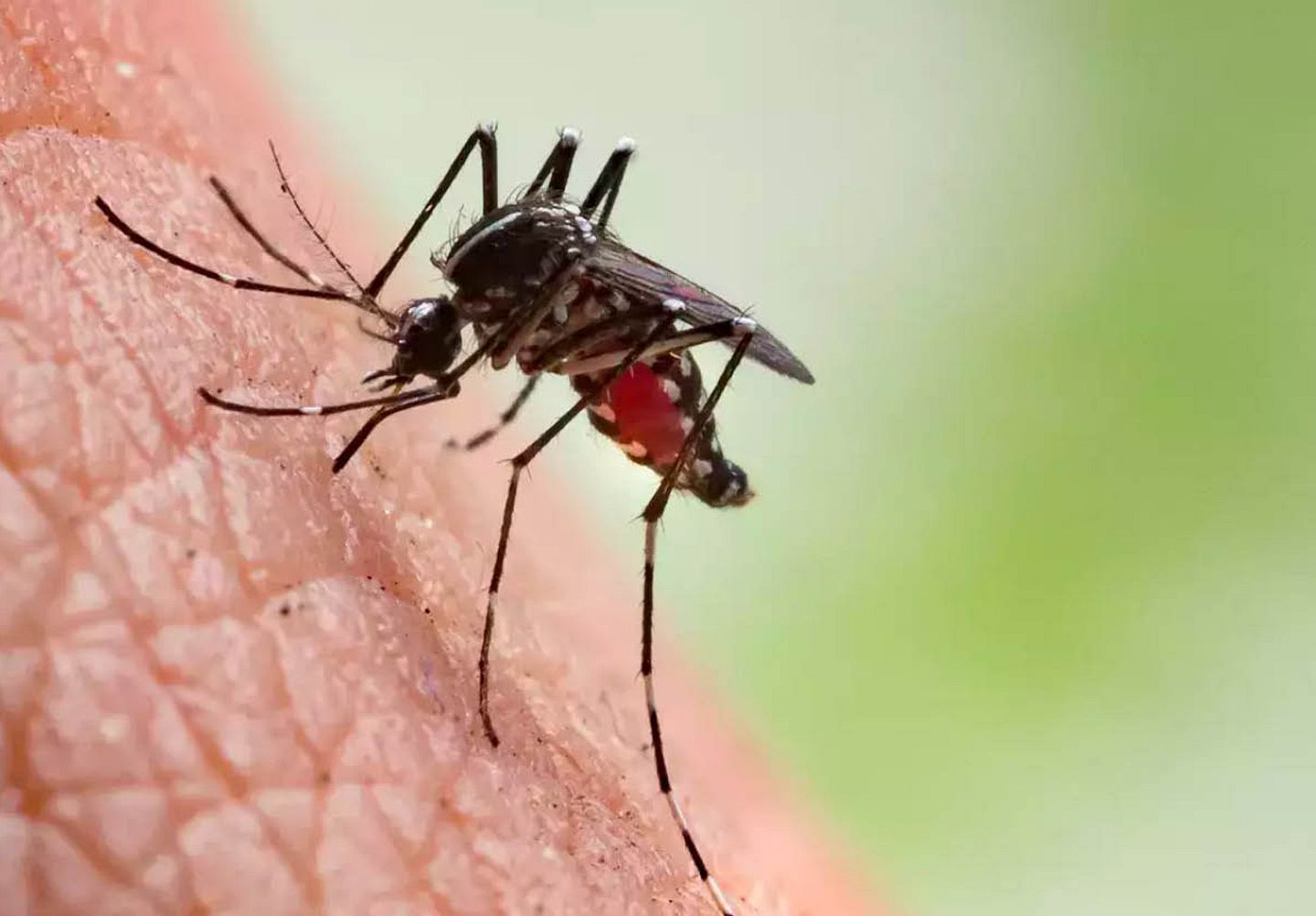
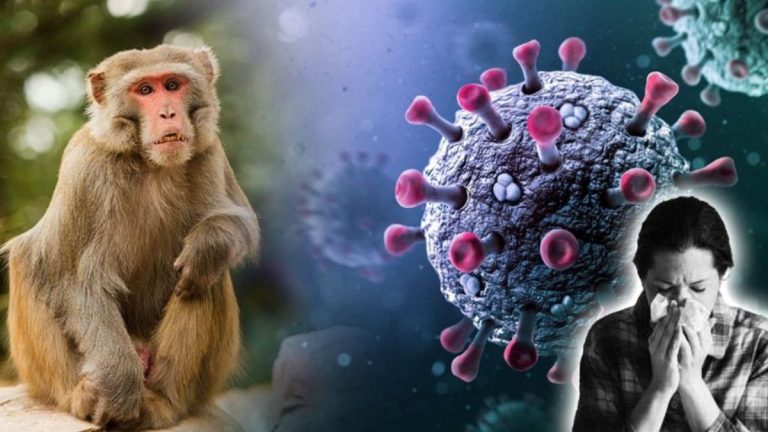
Malaria is a life-threatening disease caused by parasites that spread through the bites of infected female Anopheles mosquitoes. It is not spread from person to person like the common cold. Instead, it enters the human body when an infected mosquito bites a person and transfers the parasite into the bloodstream.
According to global reports, around 3.3 billion people across 106 countries live in areas where malaria is a risk. The highest number of cases and deaths occur in Africa, especially among young children and pregnant women. Other affected regions include Asia, parts of Europe, the Middle East, and Latin America. Although many efforts have been taken to reduce malaria, it still remains a serious issue in many parts of the world.
What Is Malaria?
Malaria is a disease caused by Plasmodium parasites. There are five main types of parasites that cause malaria in humans, but the most dangerous one is Plasmodium falciparum. This type is responsible for most severe cases and deaths, especially in Africa.
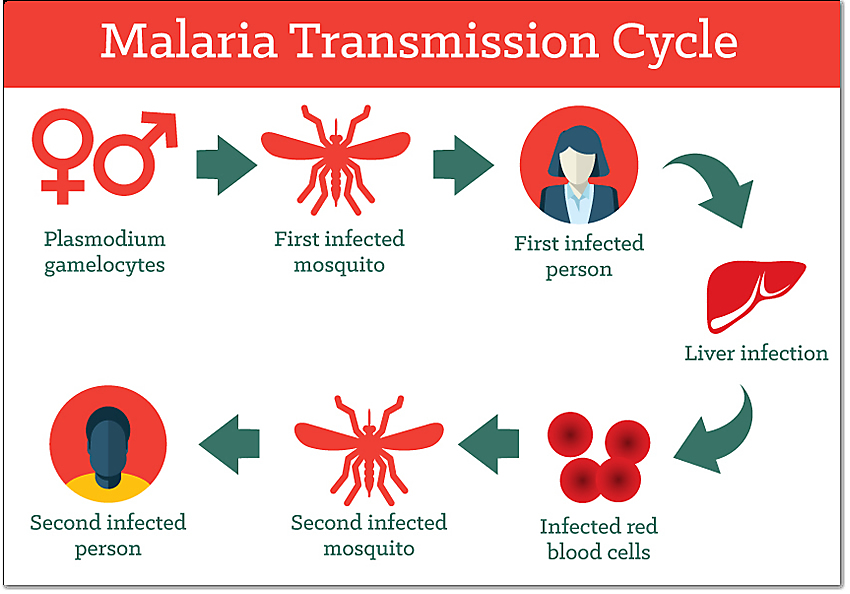
When a person is bitten by an infected mosquito, the parasite enters the bloodstream and travels to the liver. After multiplying in the liver, the parasites return to the blood and infect red blood cells. This causes the common symptoms of malaria.
Common Symptoms of Malaria
Malaria symptoms usually appear 10 to 15 days after the mosquito bite. Common symptoms include:
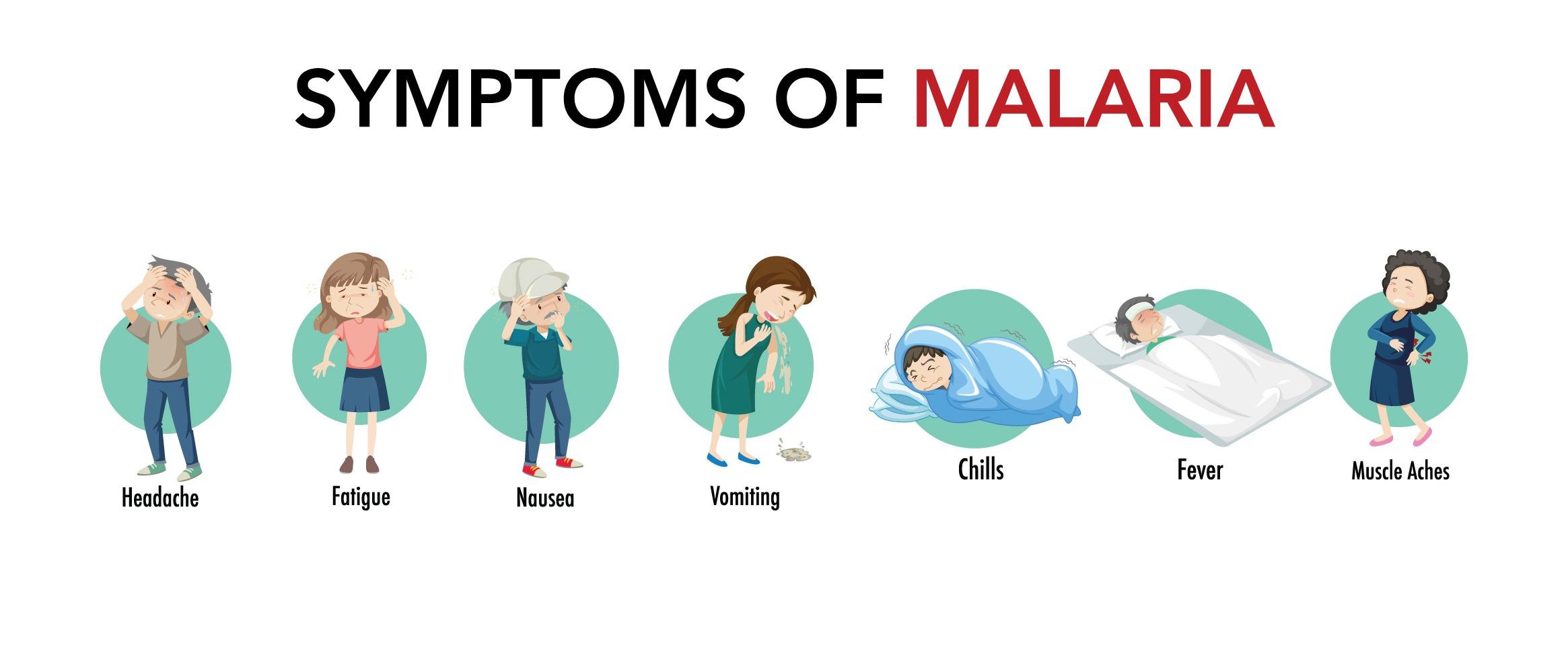
- High fever
- Chills and shivering
- Headache
- Sweating
- Nausea and vomiting
- Muscle pain
- Tiredness
If malaria is not treated on time, it can become severe and cause serious problems such as:
- Severe anemia
- Breathing difficulties
- Organ failure
- Brain damage
- Death
This is why early diagnosis and proper treatment are very important.
Why World Malaria Day Is Important
World Malaria Day is important because it reminds the world that malaria has not disappeared. Even though many countries have reduced malaria cases, millions of people are still at risk. The day encourages global cooperation and helps bring attention to areas that need more support.
This day also helps to:
- Educate people about malaria prevention
- Promote the use of mosquito nets and medicines
- Encourage funding for research and vaccines
- Support countries with high malaria burden
- Honor health workers who fight malaria
By observing World Malaria Day, people across the world can unite with a common goal to end malaria for good.
History of World Malaria Day
The history of World Malaria Day is closely linked to global efforts to fight malaria, especially in Africa.
Creation of World Malaria Day
World Malaria Day was created by the World Health Assembly in May 2007. The World Health Assembly is the decision-making body of the World Health Organization (WHO). WHO plays a major role in global health and disease control.
Before 2007, this day was known as Africa Malaria Day and was observed on April 25 every year.
Africa Malaria Day
Africa Malaria Day began in 2001, one year after the Abuja Declaration. The Abuja Declaration was an agreement signed by 44 malaria-affected countries in Africa. These countries promised to take strong steps to reduce malaria cases and deaths.
Africa Malaria Day focused mainly on the African continent, where malaria was causing the highest number of deaths. However, as malaria was also a problem in other parts of the world, the need for a global day was felt. This led to the creation of World Malaria Day.
Malaria Throughout Centuries
Malaria is not a new disease. It has been affecting humans for thousands of years.
Ancient Times
Scientists believe that the parasite causing Plasmodium falciparum malaria has existed for at least 50,000 to 100,000 years. However, malaria became more common around 10,000 years ago when humans started agriculture and settled near water sources. These areas were perfect breeding grounds for mosquitoes.
Ancient civilizations recorded symptoms similar to malaria:
- In ancient India, texts described fevers that matched malaria symptoms.
- In ancient Rome, malaria was very common, especially in swampy areas. The Romans called it “Roman fever.”
Middle Ages
During the Middle Ages, malaria spread across Europe, Asia, and Africa. People did not know the real cause of the disease. Many believed it was caused by bad air from swamps. In fact, the word malaria comes from the Italian words “mala aria”, meaning bad air.
Scientific Discoveries in the 19th Century
Major breakthroughs in understanding malaria happened in the 19th century.
- In 1880, Charles Louis Alphonse Laveran, a French scientist, discovered parasites inside the red blood cells of infected people. This proved that malaria was caused by a microorganism.
- Later, Sir Ronald Ross, a British scientist, discovered that malaria was transmitted through mosquitoes. This discovery was very important because it showed how malaria spreads.
Because of this research, new control methods were developed, such as:
- Draining swamps
- Using mosquito nets
- Reducing mosquito breeding areas
These methods helped prevent malaria in places like the Panama Canal, where many workers were dying from the disease.
Treatment of Malaria Over Time
Early Treatments
For several centuries, people used cinchona tree bark to treat malaria. This bark contains quinine, which helped reduce fever and cure malaria. Quinine was introduced to Europe in the 1600s and became the main treatment for malaria for many years.
Modern Medicines
In the 20th century, new drugs like chloroquine were developed to replace quinine. These medicines were cheaper and easier to use. However, over time, malaria parasites became resistant to these drugs, making them less effective.
Artemisinin Discovery
In the 1970s, a Chinese scientist named Tu Youyou made a major discovery. She found artemisinin, a powerful antimalarial drug, from the Artemisia annua plant. This discovery was based on ancient Chinese medicine.
Artemisinin-based combination therapies (ACTs) are now the most effective treatment for malaria. For her groundbreaking work, Tu Youyou was awarded the Nobel Prize in Medicine in 2015.
Global Impact of Malaria Today
Even today, malaria remains a major global health problem.
- Africa has the highest number of cases and deaths.
- Children under five years old are the most vulnerable.
- Pregnant women are also at high risk.
Other regions affected by malaria include:
- South and Southeast Asia
- Parts of Europe
- The Middle East
- Latin America
Although malaria deaths have reduced in some areas due to better prevention and treatment, the disease still affects millions every year.
Prevention of Malaria
The good news is that malaria is preventable.
Common Prevention Methods
- Mosquito nets: Sleeping under insecticide-treated nets can reduce mosquito bites.
- Indoor spraying: Spraying insecticides inside homes kills mosquitoes.
- Protective clothing: Wearing long sleeves and pants reduces skin exposure.
- Mosquito repellents: Using creams and sprays helps keep mosquitoes away.
- Removing stagnant water: Reducing mosquito breeding areas is very effective.
Vaccines
Scientists have also developed malaria vaccines. While vaccines are not yet 100% effective, they are an important step toward malaria control, especially for children.
How to Observe World Malaria Day
World Malaria Day can be observed in many meaningful ways.
For Individuals
- Learn about malaria and its impact
- Share information on social media
- Talk to friends and family about prevention
For Communities
- Organize awareness programs
- Host seminars in schools and colleges
- Conduct fundraising activities
For Governments and Organizations
- Launch new health initiatives
- Strengthen malaria control policies
- Invest in research and healthcare systems
Supporting Organizations
Donating to organizations that provide:
- Mosquito nets
- Medicines
- Vaccines
can help protect vulnerable communities and save lives.
Role of Education in Fighting Malaria
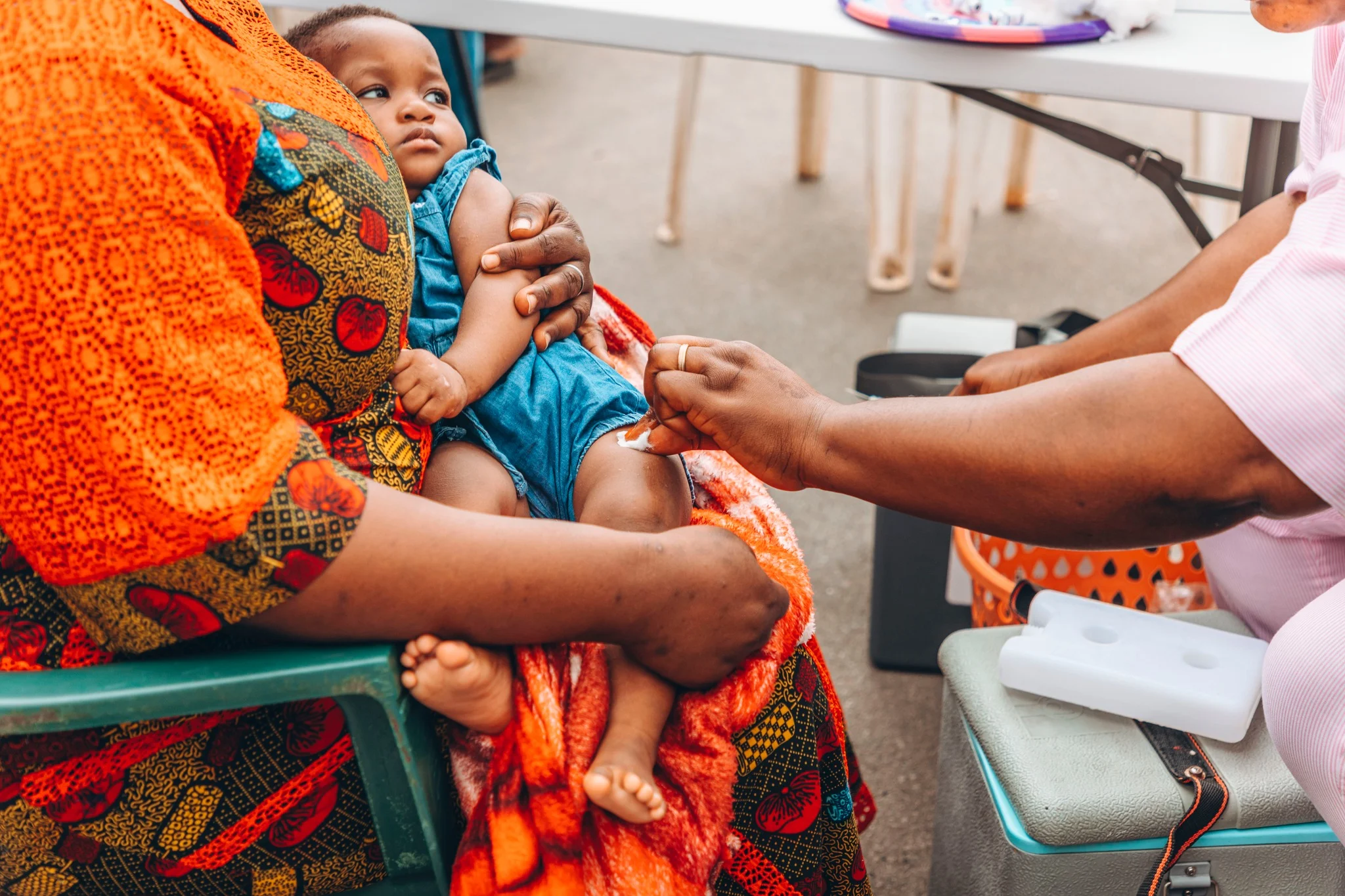
Education plays a very important role in controlling malaria. When people understand how malaria spreads and how it can be prevented, they are more likely to protect themselves and their families.
Schools can include lessons on malaria awareness, and teachers can explain the importance of hygiene and mosquito control in simple ways.
Challenges in Eliminating Malaria
Despite progress, several challenges remain:
- Drug resistance
- Insecticide resistance
- Lack of healthcare facilities
- Poverty and poor living conditions
- Climate change affecting mosquito breeding
These challenges make it harder to eliminate malaria completely, but global efforts continue.
Hope for a Malaria-Free World
With continued research, funding, education, and global cooperation, a malaria-free world is possible. Many countries have already eliminated malaria, proving that success can be achieved.
World Malaria Day reminds us that every life matters and that no one should die from a disease that can be prevented and treated.
Conclusion
World Malaria Day, observed on April 25, is a powerful reminder of the global fight against malaria. From ancient times to modern science, humanity has made great progress in understanding and controlling this deadly disease. However, the journey is not over.
By raising awareness, supporting prevention efforts, encouraging education, and investing in research, the world can move closer to ending malaria forever. Every small action counts, and together, we can build a healthier and safer future for everyone.
Frequently Asked Questions (FAQs) on World Malaria Day
1. What is World Malaria Day?
World Malaria Day is observed every year on April 25 to raise awareness about malaria and to support global efforts to prevent, control, and eliminate this disease.
2. Why is World Malaria Day important?
This day is important because malaria still affects millions of people worldwide. It reminds governments, organizations, and individuals to work together to reduce malaria cases and save lives.
3. When is World Malaria Day observed?
World Malaria Day is observed annually on April 25.
4. Who started World Malaria Day?
World Malaria Day was created by the World Health Assembly in 2007, which is the decision-making body of the World Health Organization (WHO).
5. What was World Malaria Day called earlier?
Earlier, it was known as Africa Malaria Day, which was first observed in 2001.
6. What causes malaria?
Malaria is caused by Plasmodium parasites. These parasites spread to humans through the bite of an infected female Anopheles mosquito.
7. Is malaria a contagious disease?
No, malaria does not spread from person to person. It spreads only through mosquito bites, blood transfusions, or from mother to child during pregnancy in rare cases.
8. What are the common symptoms of malaria?
Common symptoms include:
- High fever
- Chills and sweating
- Headache
- Nausea and vomiting
- Body pain and weakness