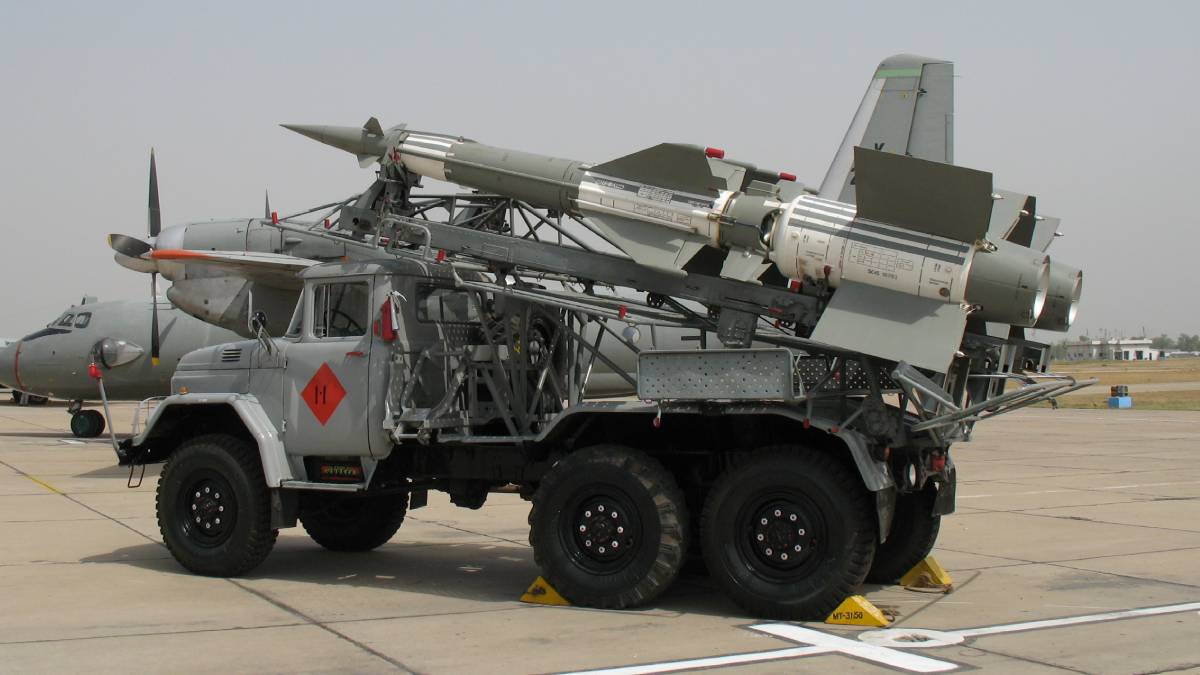
Pechora Missile System Digitised: Indigenous Upgrade Strengthens India’s Air Defence Network

Pechora Missile System Digitised India has taken an important step toward strengthening its air defence capabilities with the successful modernisation of the Indian Air Force’s Pechora surface-to-air missile system. A Bengaluru-based defence manufacturer has completed a major digital upgrade of this vintage platform, giving new life to a system that has protected Indian skies for nearly five decades. The development reflects India’s growing ability to upgrade and sustain complex weapon systems using indigenous technology.
Thank you for reading this post, don't forget to subscribe!Reviving a Trusted Air Defence Workhorse
The Pechora missile system was inducted into the Indian Air Force in the 1970s and quickly became a key element of the country’s air defence network. Designed originally in Russia, the system proved reliable and effective over the years, especially in countering low-flying aircraft and aerial threats.
However, rapid advances in electronic warfare, radar technology, and missile guidance systems meant that the ageing platform required a significant upgrade to remain relevant. Instead of replacing the Pechora with an entirely new system, the Indian Air Force chose a cost-effective path: modernising the existing platform to extend its service life and enhance its performance.
This decision aligns with India’s broader defence modernisation approach, which focuses on combining proven platforms with new technology to maintain readiness while controlling costs.
Bengaluru Firm Leads the Digitisation Drive
Alpha Design Technologies Limited (ADTL), a Bengaluru-based private defence manufacturer, emerged as the strategic partner for the project. The company signed a contract worth Rs 591.3 crore in September 2020 to carry out the comprehensive upgrade of the Pechora system.
The project involved complete digitisation of several critical subsystems. Earlier, many parts of the Pechora relied on analogue electronics, which are harder to maintain and more vulnerable to failure. By replacing these with modern digital systems, ADTL has significantly improved reliability, accuracy, and ease of maintenance.
The upgrade also demonstrates a growing role for Indian private industry in handling complex defence programmes traditionally managed by foreign vendors or public sector units.
Key Technological Enhancements
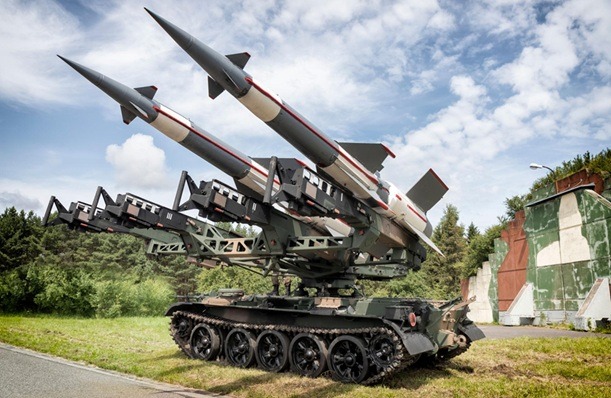
The digitised Pechora system now features several advanced indigenous subsystems. These include thermal imaging fire control units that improve target detection in low-visibility conditions, software-defined radios for secure and flexible communication, and handheld laser target designators that assist in precise engagement.
In addition, missile launch detection systems have been integrated to enhance situational awareness and improve response time against incoming threats. Together, these upgrades allow the Pechora to operate more effectively in modern combat environments where speed, accuracy, and electronic resilience are crucial.
The shift from analogue to digital architecture also makes future upgrades easier, ensuring that the system can continue to evolve as new technologies become available.
Successful Trials at Pokhran
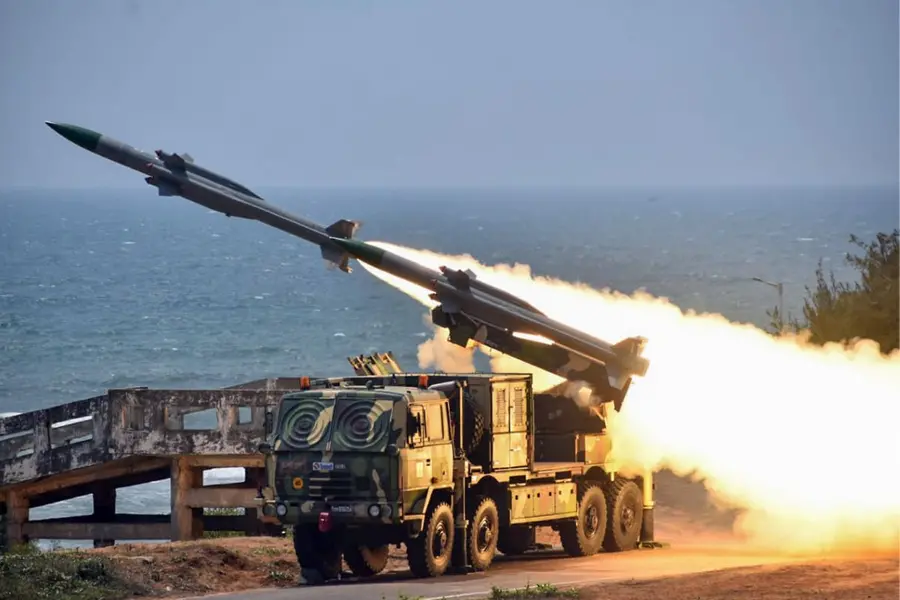
Firing trials of the first fully upgraded Pechora missile system were successfully conducted at the Pokhran range in Rajasthan between November 6 and December 26, 2025. The trials confirmed that the digitised system meets operational requirements and performs reliably under field conditions.
Officials involved in the programme stated that the upgraded system demonstrated improved tracking, faster response, and better accuracy during these tests. The success of these trials is a major milestone, as it validates both the design and the indigenous manufacturing capability behind the project.
Pokhran, known for hosting several major weapons tests in the past, once again served as a proving ground for an important national defence programme.
Strengthening Layered Air Defence
India follows a layered air defence concept, where different systems operate at various ranges and altitudes to protect against a wide spectrum of aerial threats. The upgraded Pechora system is expected to play a vital role within this structure.
It will contribute to Mission Sudarshan Chakra, an initiative aimed at building an integrated air defence shield capable of countering threats such as drones, cruise missiles, helicopters, and fighter aircraft. By enhancing the performance of an existing system, the Indian Air Force can maintain strong coverage while gradually inducting newer air defence platforms.
This approach ensures continuity of protection without creating capability gaps.
Boost to Self-Reliance in Defence
One of the most significant aspects of this programme is the level of indigenous content involved. ADTL has manufactured and supplied key components within India, reducing dependence on foreign suppliers.
According to company officials, this is the first time an Indian private firm has modernised a vintage Russian-origin surface-to-air missile system and successfully carried out live missile launches. The achievement highlights the maturity of India’s private defence sector and its ability to handle high-technology projects.
The project also supports the government’s “Aatmanirbhar Bharat” vision, which seeks to build a strong domestic defence industrial base.
Cost-Effective Modernisation Strategy
Acquiring brand-new air defence systems can be extremely expensive and time-consuming. By upgrading the Pechora system at a fraction of the cost of replacement, the Indian Air Force has achieved a practical balance between capability and affordability.
This strategy allows India to preserve valuable assets while directing resources toward next-generation technologies such as long-range surface-to-air missiles, advanced radars, and integrated command-and-control systems.
The success of this upgrade could serve as a model for modernising other legacy platforms in the armed forces.
Pechora Missile System Digitised: A Step Forward for India’s Air Power
The digitisation of the Pechora missile system represents more than just a technical upgrade. It reflects India’s growing confidence in its own defence industry, the increasing role of private companies, and a clear focus on maintaining combat readiness through smart modernisation.
As threats in the air domain continue to evolve, such initiatives ensure that India remains prepared to protect its skies with reliable, capable, and increasingly indigenous systems.