Mojtaba Khamenei Iran Leadership: Iran’s New Supreme Leader After Historic Transition

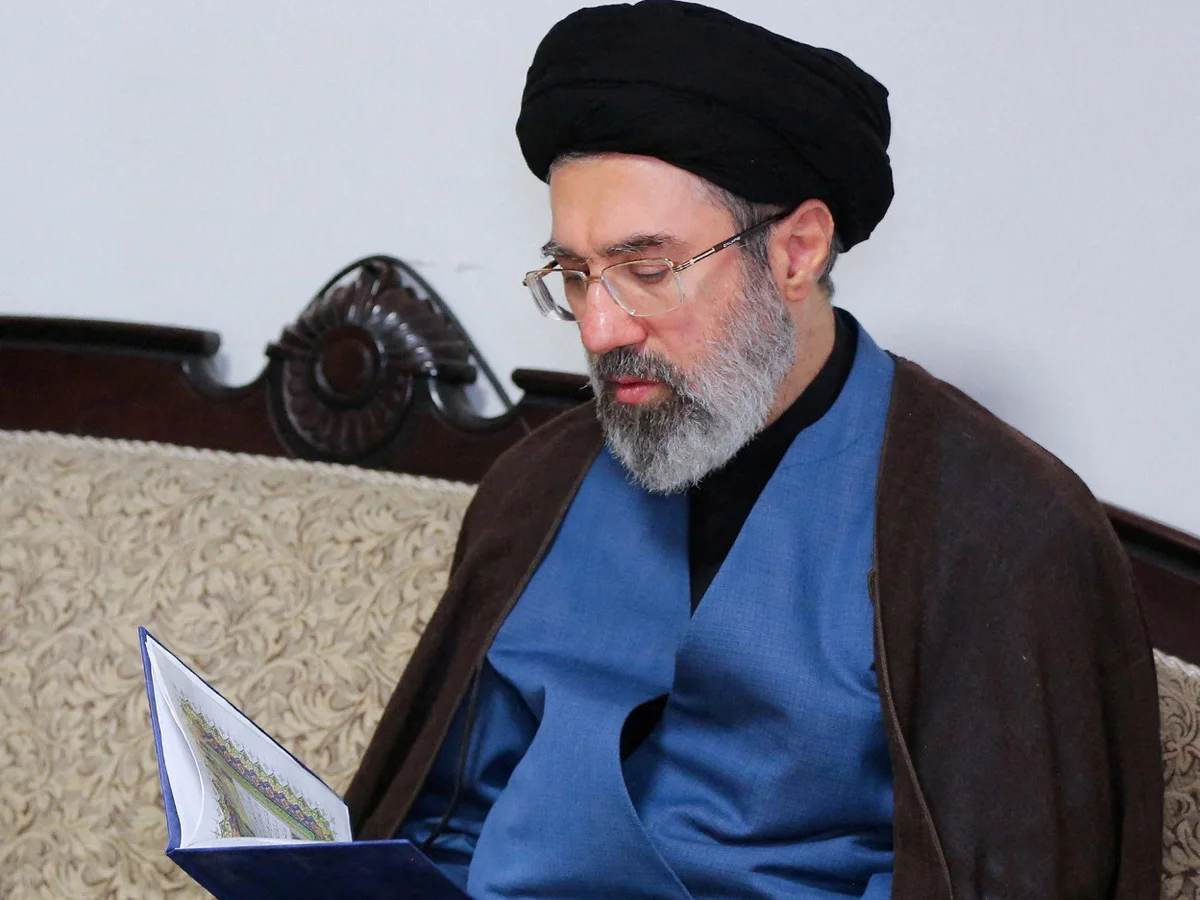
Mojtaba Khamenei Iran Leadership has gained global attention following reports that Mojtaba Hosseini Khamenei has been chosen as Iran’s next Supreme Leader. He is the son of Iran’s long-time Supreme Leader, Ali Khamenei, and his reported selection comes after his father’s death in a joint United States–Israel strike. According to reports, Iran’s powerful Assembly of Experts selected Mojtaba to take over the country’s highest religious and political position during a time of serious regional tension.
Thank you for reading this post, don't forget to subscribe!Early Life and Religious Background
Mojtaba Hosseini Khamenei was born in 1969 in Mashhad, a major religious city in Iran. He grew up during a historic period when Iran was undergoing deep political changes. After the 1979 Islamic Revolution, which removed Shah Mohammad Reza Pahlavi from power, Iran became an Islamic Republic led by clerical leadership. His father, Ali Khamenei, later became Supreme Leader and held the position for decades.
Mojtaba studied at Alavi High School in Tehran, known for educating many influential figures in Iran’s political system. He later continued his religious education in Qom, Iran’s most important seminary city. There, he studied Islamic theology under conservative scholars. However, despite many years of religious training, he has not reached the rank of ayatollah, a title that traditionally strengthens the authority of someone in the role of Supreme Leader.
Role in Iran’s Security Structure
During the 1980s Iran–Iraq War, Mojtaba reportedly served in the Habib Battalion. This experience helped him build strong ties with individuals who later became senior officials in Iran’s military and intelligence organizations.
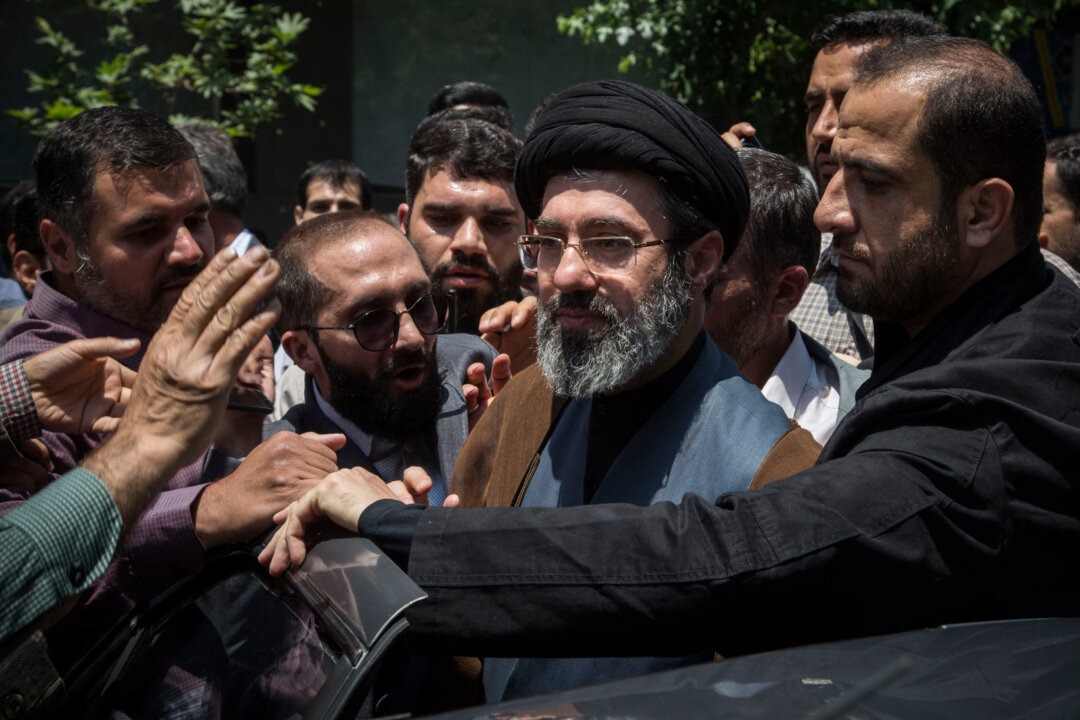
Over time, Mojtaba has been described by analysts as an important behind-the-scenes figure within the Office of the Supreme Leader. His close connections with the Islamic Revolutionary Guard Corps (IRGC) are believed to have strengthened his influence. The IRGC plays a key role in Iran’s defense, national security, and even economic projects. Support from such a powerful institution may help secure his leadership during this sensitive transition period.
International Scrutiny and Sanctions
Mojtaba Khamenei has faced international attention in recent years. In 2019, the United States imposed sanctions on him. American officials claimed that his father had delegated certain powers to him without official oversight. Iranian authorities rejected these accusations and denied any wrongdoing.
Some reformist politicians and foreign governments have also suggested that Mojtaba influenced election processes and supported strict security actions. However, these claims remain politically debated. There have also been reports linking him to investment networks and property holdings, although the full details of these claims are unclear.
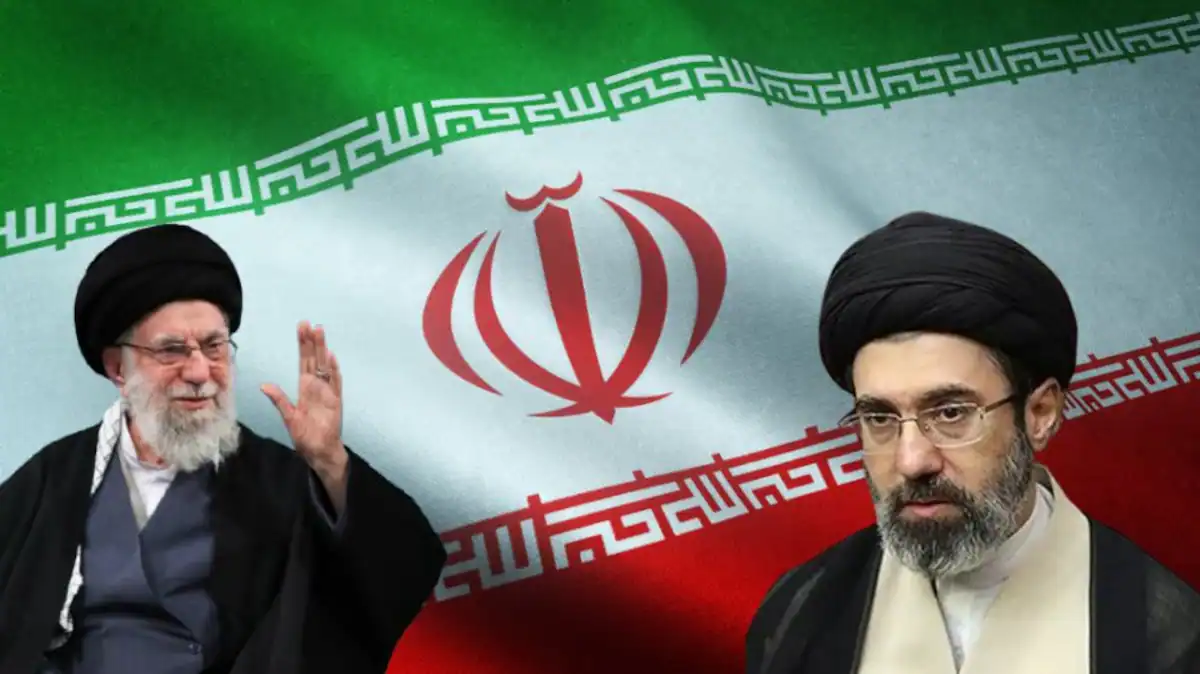
Significance of Mojtaba Khamenei Iran Leadership and the Leadership Transition
The Assembly of Experts, an 88-member clerical body, is responsible for selecting and supervising the Supreme Leader. Its reported decision to choose Mojtaba marks a major moment in Iran’s political history. The Supreme Leader holds ultimate authority over the armed forces, judiciary, and key state institutions, making the role extremely powerful.
If Mojtaba Khamenei formally assumes the position, it could be seen as a historic shift. The Islamic Republic was established in opposition to monarchy, yet a father-to-son transition may resemble dynastic succession. Supporters argue that continuity ensures stability, while critics question how this move aligns with revolutionary principles.
As Mojtaba Khamenei Iran Leadership begins, the direction of Iran’s domestic policies and foreign relations will remain closely watched by the international community.