


Hiroshima Anniversary Marks 81 Years

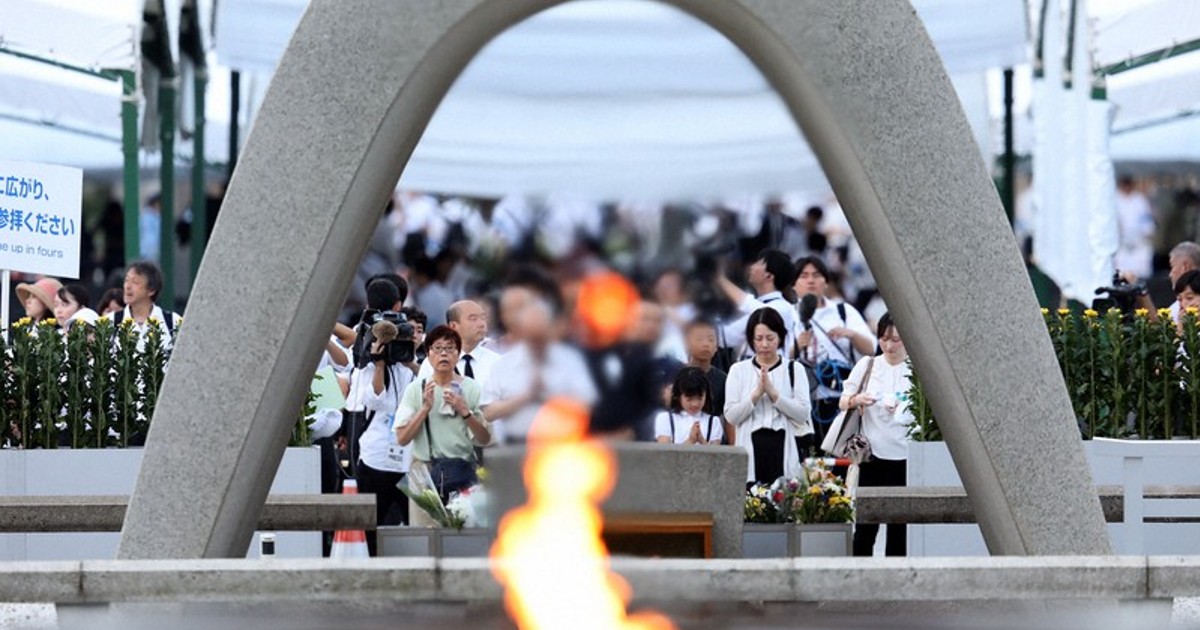
Hiroshima Anniversary was observed on 6 August 2026 as Japan marked 81 years since the atomic bombing of Hiroshima during World War II. Thousands of people gathered at the Hiroshima Peace Memorial Park to remember those who lost their lives and to promote the message of global peace. The city observed a minute of silence at 8:15 AM, the exact time when the atomic bomb exploded over Hiroshima on 6 August 1945.
Thank you for reading this post, don't forget to subscribe!The annual ceremony brought together survivors, government leaders, diplomats, students, and visitors from around the world. The event focused on remembering history, supporting peace, and encouraging continued efforts toward a world free of nuclear weapons.
Peace Memorial Ceremony Held in Hiroshima
The official Hiroshima Peace Memorial Ceremony took place between 8:00 AM and 8:50 AM at the Hiroshima Peace Memorial Park.
Around 50,000 people attended the ceremony, including representatives from nearly 120 countries and regions.
Participants gathered to pay tribute to the victims of the atomic bombing and to express their commitment to peace.
The ceremony included:
- A minute of silence.
- Floral tributes.
- Messages of peace.
- Speeches by national and local leaders.
The annual event remains one of the world’s most important peace gatherings.
Remembering the Atomic Bombing
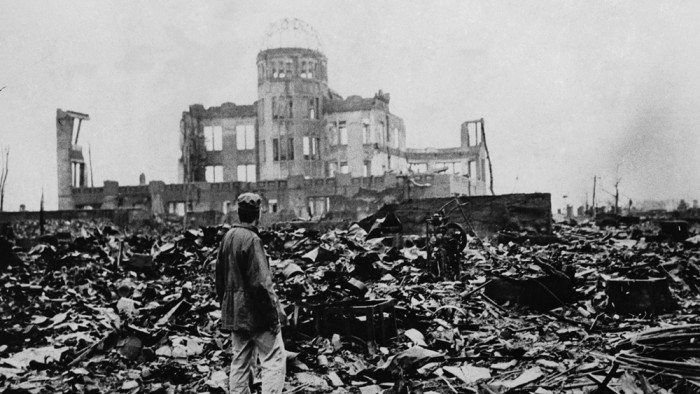
On 6 August 1945, during the final months of the Second World War, the United States dropped the world’s first atomic bomb used in warfare over Hiroshima.
The explosion caused massive destruction across the city.
Thousands of people died instantly, while many others later suffered from injuries, burns, and long-term health effects caused by radiation exposure.
Just three days later, on 9 August 1945, another atomic bomb was dropped on Nagasaki.
These two bombings remain among the most significant events in modern world history.
Peace Declaration Calls for a Safer World
During this year’s ceremony, Hiroshima Mayor Kazumi Matsui delivered the annual Peace Declaration.
In his address, he described nuclear weapons as instruments of fear and urged the international community to continue working toward their complete abolition.
The Peace Declaration is delivered every year to remind the world of the humanitarian impact of nuclear warfare and the importance of peaceful cooperation between nations.
The message continues to receive international attention as global discussions on security and arms control remain active.
Japan Reaffirms Three Non-Nuclear Principles
Japanese Prime Minister Sanae Takaichi attended the Hiroshima ceremony for the first time as Prime Minister.
During the event, she reaffirmed Japan’s long-standing Three Non-Nuclear Principles, which state that Japan will:
- Not possess nuclear weapons.
- Not produce nuclear weapons.
- Not permit the introduction of nuclear weapons into the country.
These principles have guided Japan’s nuclear policy for many decades and remain an important part of the country’s commitment to peace.
Hibakusha Continue to Share Their Stories
The survivors of the Hiroshima and Nagasaki atomic bombings are known as Hibakusha.
Today, their average age is over 86 years, making their firsthand experiences increasingly valuable as time passes.
Many Hibakusha continue to:
- Share personal memories.
- Educate younger generations.
- Promote peace education.
- Advocate against nuclear weapons.
Their testimonies help ensure that future generations understand the human cost of nuclear conflict.
Hiroshima Peace Memorial
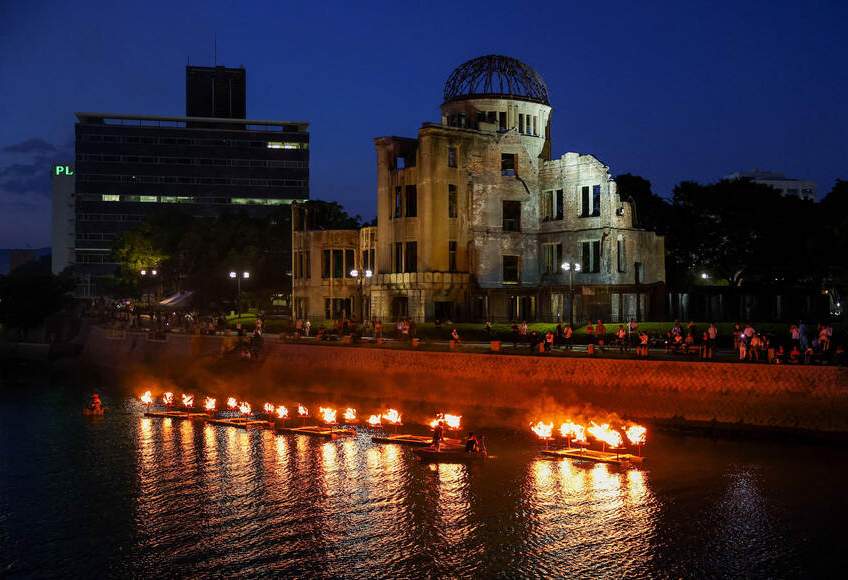
One of Hiroshima’s most famous landmarks is the Hiroshima Peace Memorial, also known as the Atomic Bomb Dome.
The structure survived the bombing and has been preserved as a reminder of the destruction caused by nuclear warfare.
The site has been recognised as a UNESCO World Heritage Site and attracts visitors from around the world who wish to learn about the city’s history and peace efforts.
Today, it stands as an international symbol of hope and reconciliation.
Toro Nagashi Lantern Ceremony
As part of the anniversary observances, Hiroshima also held the traditional Toro Nagashi ceremony on the evening of 6 August.
During this event, thousands of paper lanterns were placed on the Motoyasu River.
The floating lanterns represent prayers for those who lost their lives and symbolise hope for lasting peace.
The peaceful ceremony has become one of Hiroshima’s most meaningful annual traditions and is attended by local residents as well as international visitors.
Continuing the Message of Peace
The Hiroshima anniversary serves not only as a day of remembrance but also as an opportunity to encourage dialogue about peace, humanitarian values, and the prevention of future conflicts.
Educational programmes, exhibitions, survivor testimonies, and international participation help keep the memory of Hiroshima alive while promoting greater understanding among nations.
The annual observance reminds people across the world of the importance of diplomacy, cooperation, and peaceful solutions to global challenges.
The Hiroshima Anniversary marks 81 years since one of the most significant events in modern history. Through remembrance ceremonies, peace declarations, and the participation of thousands of people from around the world, Hiroshima continues to share its message of hope, reconciliation, and the importance of building a future where nuclear weapons are never used again.