Ponduru Khadi Receives GI Tag Recognition: A Milestone for India’s Handwoven Heritage

Ponduru Khadi Receives GI Tag Recognition, marking an important moment for India’s traditional handloom sector and the artisan communities of Andhra Pradesh. This rare and fine hand-woven cotton fabric, produced only in Ponduru village of Srikakulam district, has now been officially recognised with a Geographical Indication (GI) tag. The recognition not only protects the authenticity of the fabric but also opens new opportunities for its weavers by improving visibility, market access, and economic security.
Thank you for reading this post, don't forget to subscribe!Ponduru Khadi is known for its purity, durability, and detailed craftsmanship. The GI tag confirms that this fabric is unique to its region and is made using traditional methods that have been preserved for centuries. For artisans who have kept this craft alive across generations, the recognition is both a reward for their skill and a safeguard for their future.
GI Tag Recognition and Its Meaning
The Geographical Indication tag for Ponduru Khadi has been granted by the Geographical Indications Registry in favour of the Khadi and Village Industries Commission (KVIC). A GI tag is given to products that have a specific geographical origin and possess qualities or a reputation linked to that location.
With this recognition, Ponduru Khadi now receives legal protection against imitation and misuse. Only fabric produced in Ponduru village using the traditional methods can be sold under the name “Ponduru Khadi.” This ensures that consumers receive authentic products and that artisans benefit directly from their work.
The GI tag also helps in building trust in domestic and international markets. Buyers can be confident about the quality and origin of the fabric, which is essential in today’s competitive textile industry.
Response from the Khadi and Village Industries Commission
The Khadi and Village Industries Commission welcomed the GI tag recognition as a major achievement for the Khadi sector. The Chairman of KVIC, Manoj Kumar, described it as a proud moment for the entire Khadi community. He highlighted that continued policy support has helped traditional crafts regain attention and respect.
According to KVIC, the recognition reflects years of effort to promote indigenous textiles and strengthen the livelihoods of rural artisans. The organisation believes that such recognitions play a key role in encouraging younger generations to continue traditional crafts rather than abandoning them due to lack of income opportunities.
The Unique Craft of Ponduru Khadi
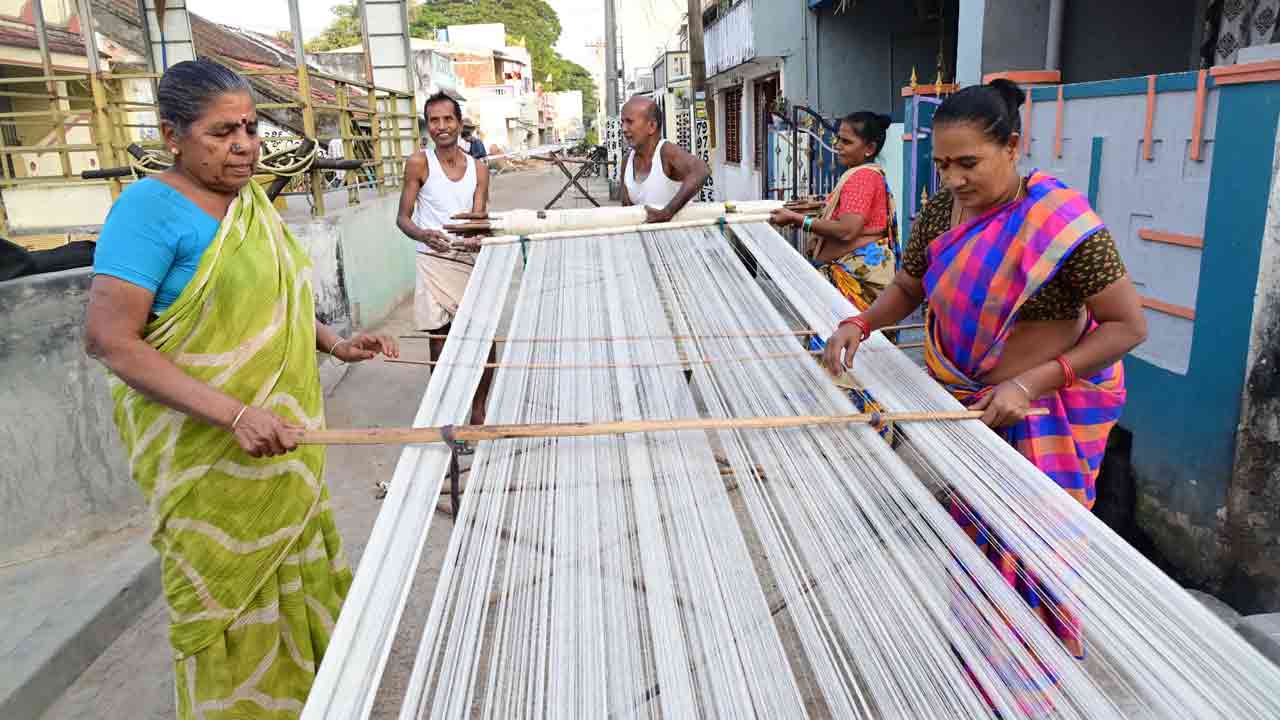
What sets Ponduru Khadi apart is its completely hand-made process. From cotton cleaning to spinning and weaving, every step is done manually. The cotton used comes from locally grown varieties such as Hill cotton, Punasa cotton, and Red cotton. These cotton types give the fabric its natural strength and softness.
One of the most distinctive features of Ponduru Khadi is the traditional method used to clean the cotton. Artisans use the jawbone of the Valuga fish, a technique that is unique to this region and not found in other parts of the country. This method helps maintain the fibre’s quality without damaging it.
The yarn count of Ponduru Khadi ranges between 100 and 120, which is considered extremely fine. This high yarn count results in fabric that is light, smooth, and long-lasting. Because of its fineness and comfort, Ponduru Khadi has been admired by textile experts and Khadi supporters for decades.
Deep Cultural Roots and Historical Importance
Ponduru Khadi is not just a fabric; it is a symbol of India’s handloom heritage. The craft is closely linked to the broader Khadi movement that promoted self-reliance and ethical production during India’s freedom struggle. Mahatma Gandhi strongly supported Khadi as a means to empower rural communities and reduce dependence on industrial imports.
Over the years, Ponduru Khadi gained recognition for maintaining the original spirit of Khadi through its pure hand-spun and hand-woven process. Despite modern textile technologies, the artisans of Ponduru continued to follow traditional practices, preserving the cultural identity of the fabric.
Economic Impact on Artisan Communities After Ponduru Khadi Receives GI Tag Recognition
The GI tag is expected to bring direct economic benefits to the weavers of Ponduru. With legal protection and improved branding, artisans can now access wider markets and receive better prices for their products. The recognition may also attract designers, exporters, and ethical fashion brands looking for authentic handloom fabrics.
Increased demand can lead to higher employment opportunities within the village, especially for women who are actively involved in spinning and weaving activities. KVIC has noted that GI recognition often helps in improving income stability and reducing migration from rural areas.
The tag also encourages better organisation among weavers, cooperatives, and self-help groups. With official recognition, it becomes easier to access government support schemes, training programmes, and marketing platforms.
Ponduru Khadi Receives GI Tag Recognition and Growing Global Interest in Sustainable Textiles
In recent years, there has been growing global interest in sustainable and eco-friendly textiles. Ponduru Khadi fits perfectly into this trend, as it is produced using natural fibres, manual processes, and minimal energy consumption.
The GI tag adds value by highlighting the fabric’s authenticity and ethical production methods. International buyers increasingly look for products with traceable origins, and GI recognition helps meet this demand. As a result, Ponduru Khadi has the potential to become a strong representative of India’s handloom tradition on the global stage.
A Strong Future for a Timeless Fabric as Ponduru Khadi Receives GI Tag Recognition
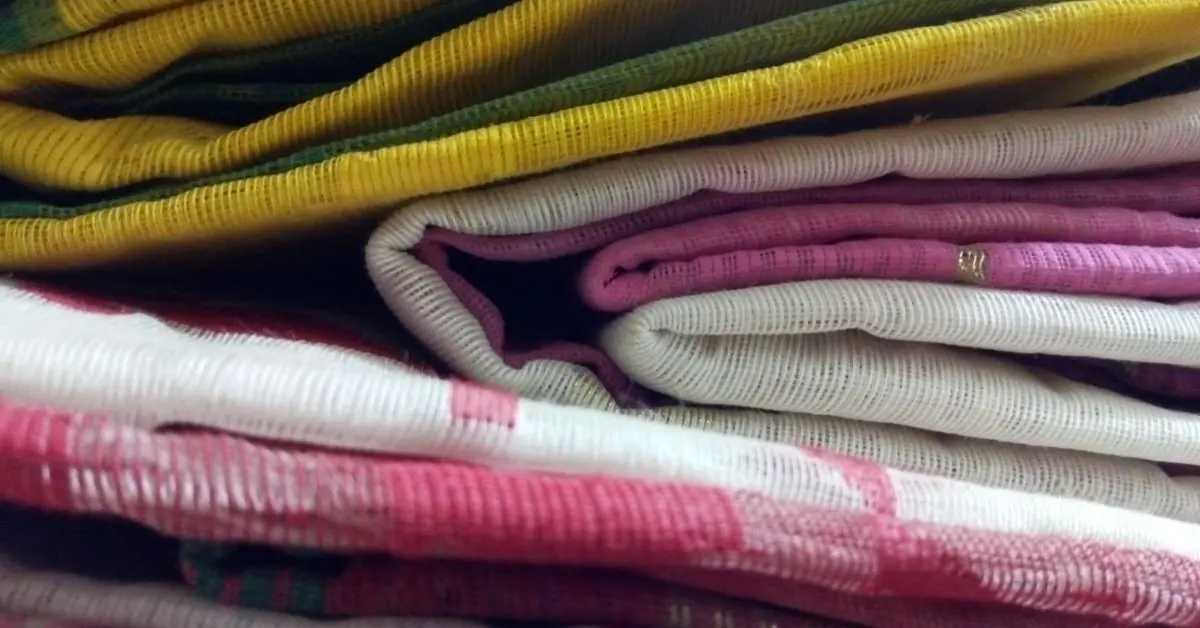
Ponduru Khadi Receives GI Tag Recognition at a time when traditional crafts need both protection and promotion. The tag ensures that the knowledge and skills of Ponduru’s artisans are preserved while also making the fabric more competitive in modern markets.
With continued support from institutions like KVIC and increasing awareness among consumers, Ponduru Khadi is set to gain renewed relevance. The GI recognition stands as a reminder that India’s traditional crafts, when protected and valued, can thrive alongside modern industries while keeping cultural heritage alive for future generations.