



Low-Calorie Natural Sugar Tagatose: A Breakthrough That Could Change How the World Uses Sugar

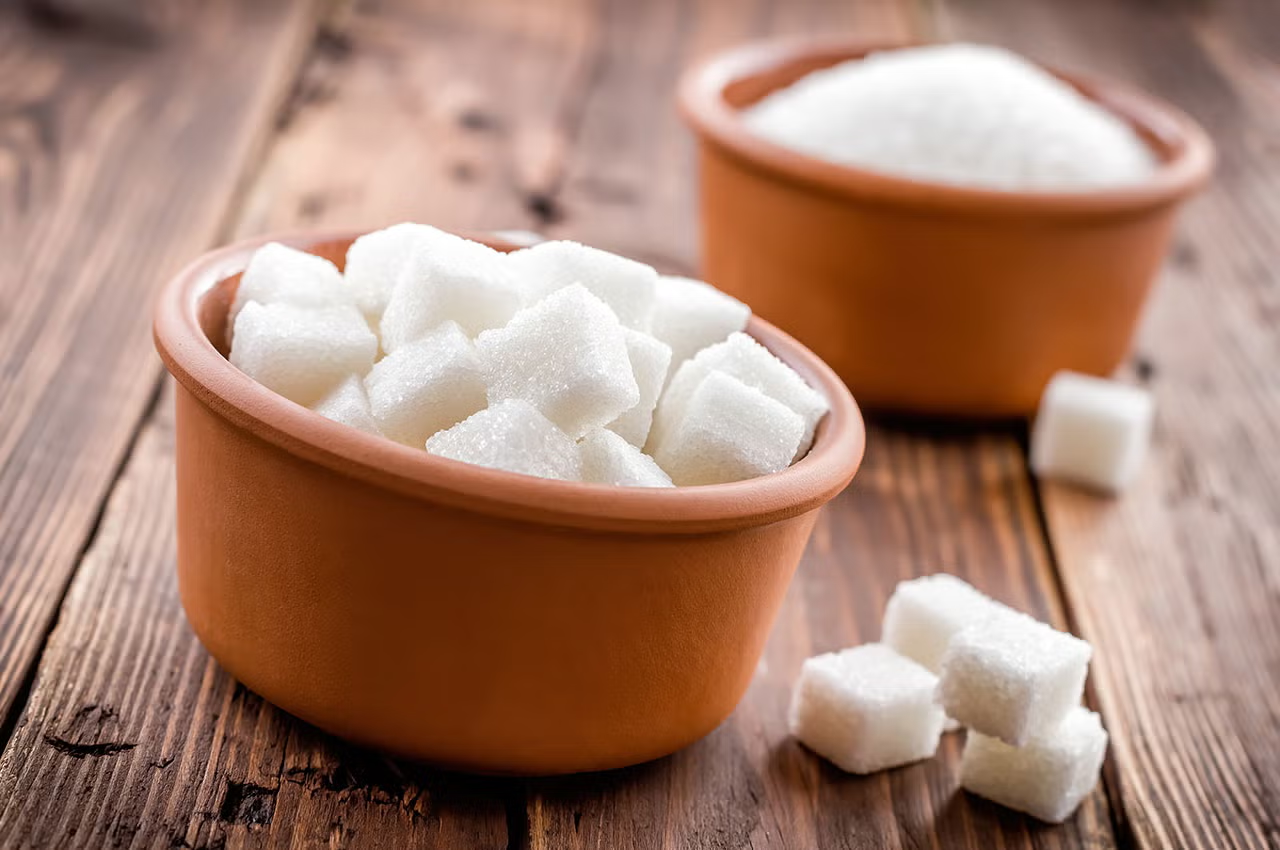
Low-Calorie Natural Sugar Tagatose is gaining global attention after scientists announced a major breakthrough in how this rare sugar can be produced efficiently and at large scale. The development promises a future where people can enjoy sweetness without the health risks linked to regular sugar, offering hope to millions concerned about diabetes, obesity, and overall metabolic health.
Thank you for reading this post, don't forget to subscribe!For decades, the food industry has searched for a sweetener that tastes like sugar but does not cause sharp spikes in blood glucose or insulin levels. Artificial sweeteners filled this gap for some time, but concerns over taste, safety, and long-term health effects have kept the demand for natural alternatives alive. Tagatose now appears to be one of the most promising answers.
Understanding What Tagatose Is
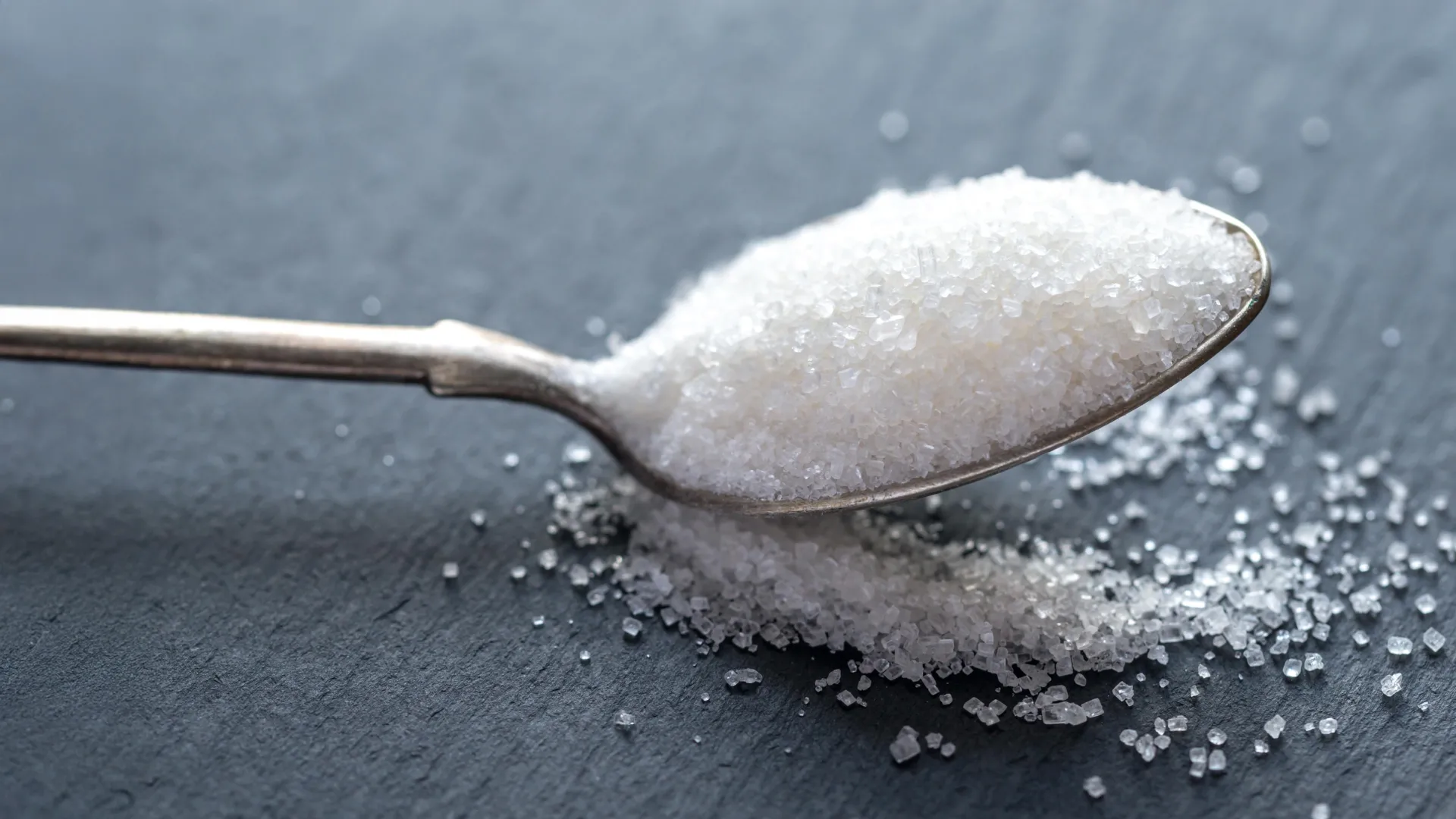
Tagatose is a naturally occurring sugar that exists in small amounts in fruits and dairy products. Chemically, it is very similar to table sugar, also known as sucrose. This similarity is important because it means tagatose delivers a taste that closely matches regular sugar, without the strong aftertaste often associated with artificial sweeteners.
In terms of sweetness, tagatose is about 92 percent as sweet as sucrose. This makes it highly effective for use in foods and beverages where taste consistency is critical. However, what truly sets tagatose apart is its calorie content. It contains only about one-third of the calories found in regular sugar, making it attractive for people trying to manage weight or reduce calorie intake.
Why Tagatose Is Considered Health-Friendly
One of the biggest advantages of tagatose is its minimal effect on blood sugar levels. Unlike regular sugar, tagatose does not cause sudden rises in glucose or insulin. This makes it suitable for people living with diabetes or those who have insulin resistance.
Beyond blood sugar control, tagatose is also considered tooth-friendly. It does not promote tooth decay in the same way that sucrose does. Some studies suggest it may even help limit the growth of harmful oral bacteria, supporting better dental health.
Tagatose has also been linked to improved gut health. Because it is not fully absorbed in the small intestine, it can act as a prebiotic, supporting beneficial gut bacteria. These combined benefits have made tagatose a subject of growing interest among nutrition experts and food scientists.
The Challenge of Making Tagatose at Scale
Despite its benefits, tagatose has remained expensive and limited in availability. Traditional production methods are inefficient, produce low yields, and require complex processing steps. These challenges have prevented tagatose from becoming a common ingredient in everyday food products.
As a result, most food manufacturers have relied on artificial sweeteners or sugar alcohols, even though consumer demand for natural alternatives has continued to grow. Solving the production problem was essential to unlock the full potential of tagatose.
A Scientific Breakthrough in Production
Researchers from Tufts University, working with biotechnology companies Manus Bio and Kcat Enzymatic, have now developed a highly efficient way to produce tagatose on a large scale. Their research was published in the respected journal Cell Reports Physical Science.
The new method focuses on biological engineering rather than traditional chemical processing. This approach not only improves efficiency but also reduces costs and environmental impact, making commercial production far more realistic.
How Engineered Bacteria Act as Sugar Producers
The key innovation lies in the use of engineered Escherichia coli bacteria. Scientists modified these bacteria to function like microscopic factories that convert common glucose into tagatose.
A newly identified enzyme from slime mould, known as galactose-1-phosphate-selective phosphatase, plays a central role in this process. When introduced into the bacteria, this enzyme enables a highly precise conversion pathway. The result is a production yield of up to 95 percent, which is far higher than existing commercial techniques.
Such efficiency marks a turning point. High yields mean less waste, lower costs, and faster production, all of which are essential for large-scale adoption by the food industry.
Why This Matters for the Food Industry
Tagatose has several practical advantages that make it appealing to food manufacturers. It is heat-stable, meaning it can withstand high temperatures used in baking and cooking. Many artificial sweeteners break down or lose sweetness when exposed to heat, limiting their use. Tagatose does not face this problem.
Its sugar-like taste also makes it easier to replace regular sugar in recipes without major reformulation. This could speed up its adoption across products such as baked goods, dairy items, beverages, and nutritional snacks.
With growing consumer awareness around sugar-related health issues, manufacturers are under pressure to offer healthier options. Tagatose fits well into this shift toward clean-label and natural ingredients.
Market Growth and Future Possibilities
The commercial outlook for tagatose is strong. The global tagatose market is projected to reach around 250 million dollars by 2032. This growth reflects rising demand for low-calorie, natural sweeteners that do not compromise on taste.
Beyond tagatose itself, researchers believe this breakthrough could open doors for producing other rare sugars using similar biological methods. These sugars could further expand the range of healthier sweetening options available worldwide.
As production becomes more affordable, tagatose may move from being a niche ingredient to a mainstream replacement for sugar. This could reshape food habits, reduce reliance on artificial sweeteners, and support better public health outcomes.
A Step Toward Healthier Sweet Choices
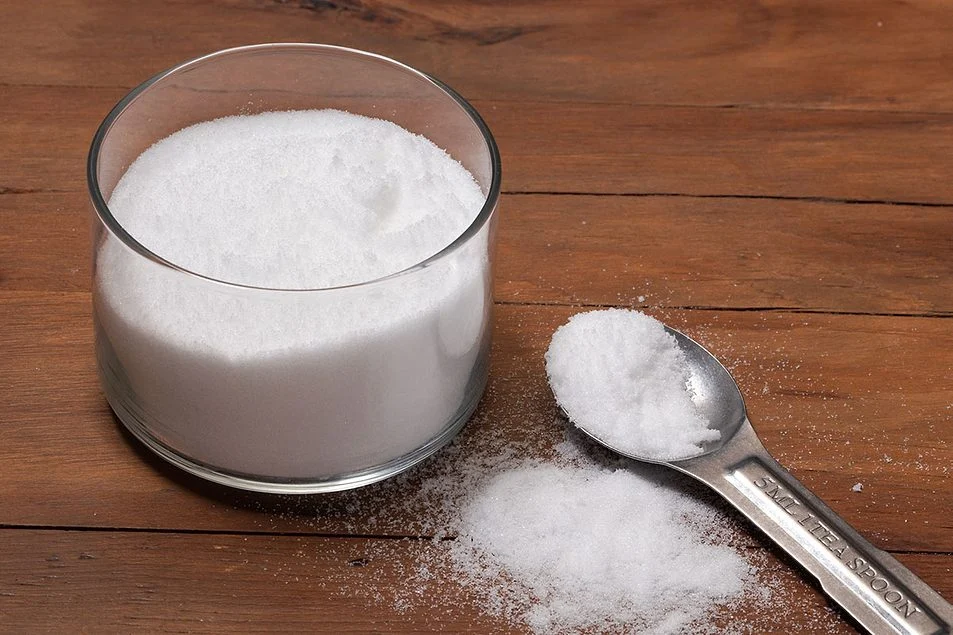
The development of an efficient production method for tagatose represents more than just a scientific success. It reflects a broader movement toward combining biotechnology with nutrition to solve real-world health challenges.
Low-Calorie Natural Sugar Tagatose now stands at the center of this movement, offering sweetness with fewer calories, minimal insulin response, and wide-ranging applications. As research continues and commercial production expands, tagatose could soon become a familiar name on ingredient labels, changing how people experience sweetness in their daily lives.