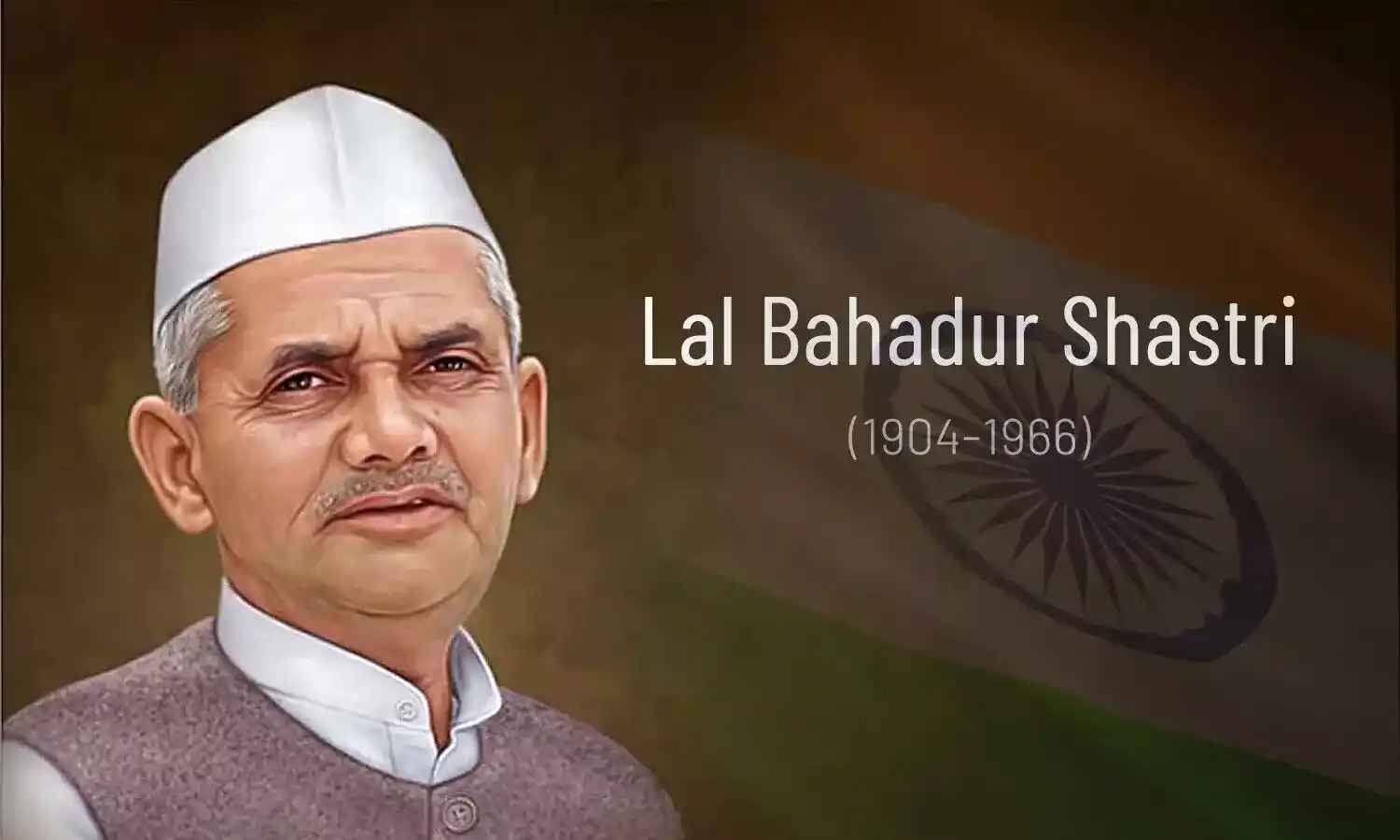
Lal Bahadur Shastri: Life, Leadership and Legacy

Lal Bahadur Shastri was one of the greatest leaders India has ever produced. He was the second Prime Minister of independent India and is remembered for his honesty, simplicity, courage, and deep love for the nation. Even though his time as Prime Minister was short, his decisions and values left a lasting impact on India. His famous slogan “Jai Jawan, Jai Kisan” still inspires millions of Indians and reminds us of the importance of soldiers and farmers in the country’s progress.
Lal Bahadur Shastri: A Symbol of Honesty and Simplicity
Lal Bahadur Shastri was born on 2 October 1904 in Mughalsarai, a small town in present-day Uttar Pradesh. Coincidentally, this date is also the birth anniversary of Mahatma Gandhi, the Father of the Nation. Like Gandhiji, Shastri believed strongly in truth, non-violence, discipline, and service to the people.

Shastri came from a very simple and modest family. His early life was full of struggles, but these difficulties shaped his strong character. He grew up learning the values of hard work, self-respect, equality, and sacrifice. These values later became the foundation of his political and personal life.
Early Life and Family Background
Lal Bahadur Shastri was born to Sharada Prasad Srivastava and Ramdulari Devi. His father was a school teacher and later worked as a clerk. Unfortunately, when Lal Bahadur was just two years old, his father passed away. This sudden loss placed a heavy responsibility on his mother, who then moved with her children to her father’s house.
Shastri spent his childhood at his maternal grandfather Hazari Lal’s home. Life was not easy, but his mother raised him and his sisters with great care, discipline, and moral values. From a very young age, Lal Bahadur learned lessons of patience, courage, honesty, and self-control.
Even as a child, he showed signs of leadership and kindness. He was deeply affected by social inequality and injustice. One important decision he made early in life was to drop his caste-based surname “Srivastava”. He believed that caste divisions were harmful to society and stood strongly for equality among all people.
Education and the Title “Shastri”
Lal Bahadur Shastri completed his early education in Varanasi. He was a bright and hardworking student. He later joined Kashi Vidyapeeth, a national institution that promoted Indian values and freedom from British influence.
In 1925, he graduated from Kashi Vidyapeeth and was given the title “Shastri”, which means a scholar or a learned person. From that point onward, he was known as Lal Bahadur Shastri. Education not only gave him knowledge but also strengthened his love for the country and his desire to serve the people.
Influence of Mahatma Gandhi and Entry into the Freedom Struggle
Lal Bahadur Shastri was deeply inspired by Mahatma Gandhi. After listening to one of Gandhiji’s speeches, he decided to dedicate his life to India’s freedom movement. He believed in Gandhiji’s principles of non-violence, truth, and peaceful protest.
Shastri actively participated in major freedom movements such as:
- Non-Cooperation Movement – where Indians refused to support British institutions
- Salt Satyagraha – protesting against British salt laws
- Quit India Movement – demanding an end to British rule
Because of his involvement, Shastri was arrested and imprisoned several times. However, jail did not weaken his spirit. Instead, it made him stronger and more determined to fight for independence.
Marriage and Personal Life
In 1928, Lal Bahadur Shastri married Lalita Devi, the daughter of Ganesh Prasad. Shastri strongly opposed the dowry system, as he believed it was unfair and harmful to society. He refused to accept dowry, but after repeated requests from his father-in-law, he accepted only five yards of khadi cloth.
This simple act clearly showed his values and beliefs. Lal Bahadur Shastri and Lalita Devi had six children, and despite his busy political life, he remained a loving and responsible family man.
Role in the Indian National Congress
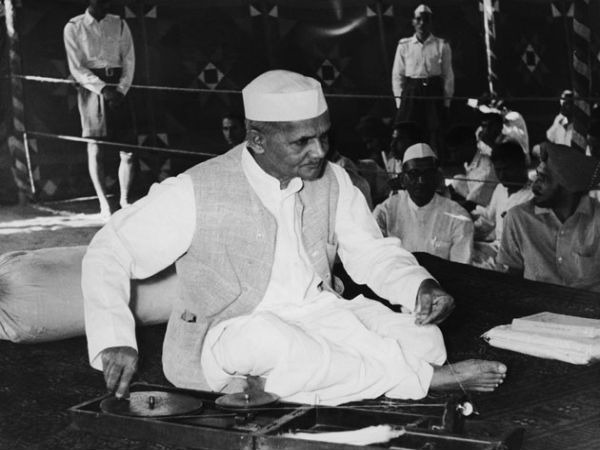
After independence, Lal Bahadur Shastri became an important member of the Indian National Congress, which was the leading political party of the time. His honesty, discipline, and ability to work with people from different backgrounds helped him rise quickly within the party.
Early Roles in Congress
As a young Congress worker, Shastri took part in organizing movements, meetings, and protests. He worked at the grassroots level and understood the problems of common people. His simple lifestyle and clean image earned him respect among party members and the public.
Administrative Roles After Independence
After India became independent, Shastri was appointed to several important positions:
- Parliamentary Secretary in Uttar Pradesh
- Minister of Police and Transport in Uttar Pradesh
- General Secretary of the All India Congress Committee
As the Police Minister, he introduced reforms and suggested the use of water jets instead of lathis to control crowds, showing his humane approach.
Lal Bahadur Shastri as Union Minister
Lal Bahadur Shastri served in the Union Cabinet under Prime Minister Jawaharlal Nehru. He handled several important ministries and proved his ability as an honest and efficient administrator.
Minister of Railways
As the Railway Minister, Shastri worked to improve railway services. When two major train accidents occurred in Tamil Nadu, causing many deaths, he took moral responsibility and resigned from his post. This act of accountability made him widely respected across the country.
Minister of Home Affairs
Later, Shastri served as the Minister of Home Affairs, where he dealt with internal security and administrative challenges. His calm nature and balanced decisions helped maintain stability during difficult times.
Becoming the Prime Minister of India
After the death of Jawaharlal Nehru, India needed a leader who could unite the country and continue the democratic path. Lal Bahadur Shastri was chosen as the second Prime Minister of India.
Although many leaders were more powerful or popular, Shastri was selected because he was trusted by all sections of society. He was seen as a consensus leader, someone who could listen to different views and take fair decisions.
Challenges Faced as Prime Minister
When Lal Bahadur Shastri became Prime Minister, India was facing many serious problems:
- Food shortage and hunger
- Unemployment and poverty
- Economic difficulties
- Threats from neighboring countries
Despite these challenges, Shastri remained calm and focused. He believed in teamwork, planning, and discipline.
Green Revolution and Food Security
One of the biggest problems India faced was food shortage. To solve this, Shastri encouraged scientists and experts to find long-term solutions. This effort led to the beginning of the Green Revolution, which increased food grain production and reduced dependence on imports.
Shastri also appealed to people to reduce food consumption and avoid wastage. On his request, many Indians observed one meal a day, showing national unity and discipline.
White Revolution and Dairy Development
Along with food grains, Shastri also focused on milk production. During his leadership, the foundation was laid for the White Revolution, which transformed India into one of the world’s largest milk producers.
The National Dairy Development Board was established to support farmers and improve dairy infrastructure. This helped increase farmers’ income and strengthened the rural economy.
Indo-Pak War and Leadership in Crisis
One of the most critical events during Shastri’s time as Prime Minister was the India-Pakistan War. Pakistan launched attacks in Jammu and Kashmir, expecting India to respond weakly.
However, Shastri showed strong leadership. Even though he believed in peace and non-violence, he made it clear that India would defend itself. His words, “Force will be met with force,” boosted the morale of Indian soldiers.
During this time, he gave the powerful slogan “Jai Jawan, Jai Kisan”, honoring soldiers protecting the borders and farmers feeding the nation.
Foreign Relations and International Diplomacy
Lal Bahadur Shastri worked to maintain peaceful relations with other countries while protecting India’s interests.
Indo-Ceylon Agreement
Shastri signed an agreement with Sri Lanka to address the citizenship issues of Indian-origin people living there. This helped resolve long-standing problems and improved relations between the two countries.
Relations with Burma
After problems arose due to the deportation of Indian families from Burma, Shastri visited the country and restored friendly relations through dialogue and cooperation.
Tashkent Agreement
After the Indo-Pak war, Shastri met Pakistani President Ayub Khan in Tashkent, with mediation from the Soviet Union. Both leaders signed an agreement to end hostilities and promote peace.
Shastri strongly believed that long-term peace was necessary for development and stability in the region.
Death of Lal Bahadur Shastri
Soon after signing the Tashkent Agreement, Lal Bahadur Shastri passed away due to a heart attack. His sudden death shocked the entire nation. He is the only Indian Prime Minister to have died outside the country.
After his death, he was awarded the Bharat Ratna, India’s highest civilian honor.
Questions and Theories About His Death
Shastri’s death raised many questions and debates. Some believed it was due to health issues, as he had suffered heart problems earlier. Others raised concerns and theories about possible poisoning, but no final conclusion was officially confirmed.
Despite the debates, there is no doubt that Lal Bahadur Shastri lived and died serving the nation selflessly.
Legacy of Lal Bahadur Shastri
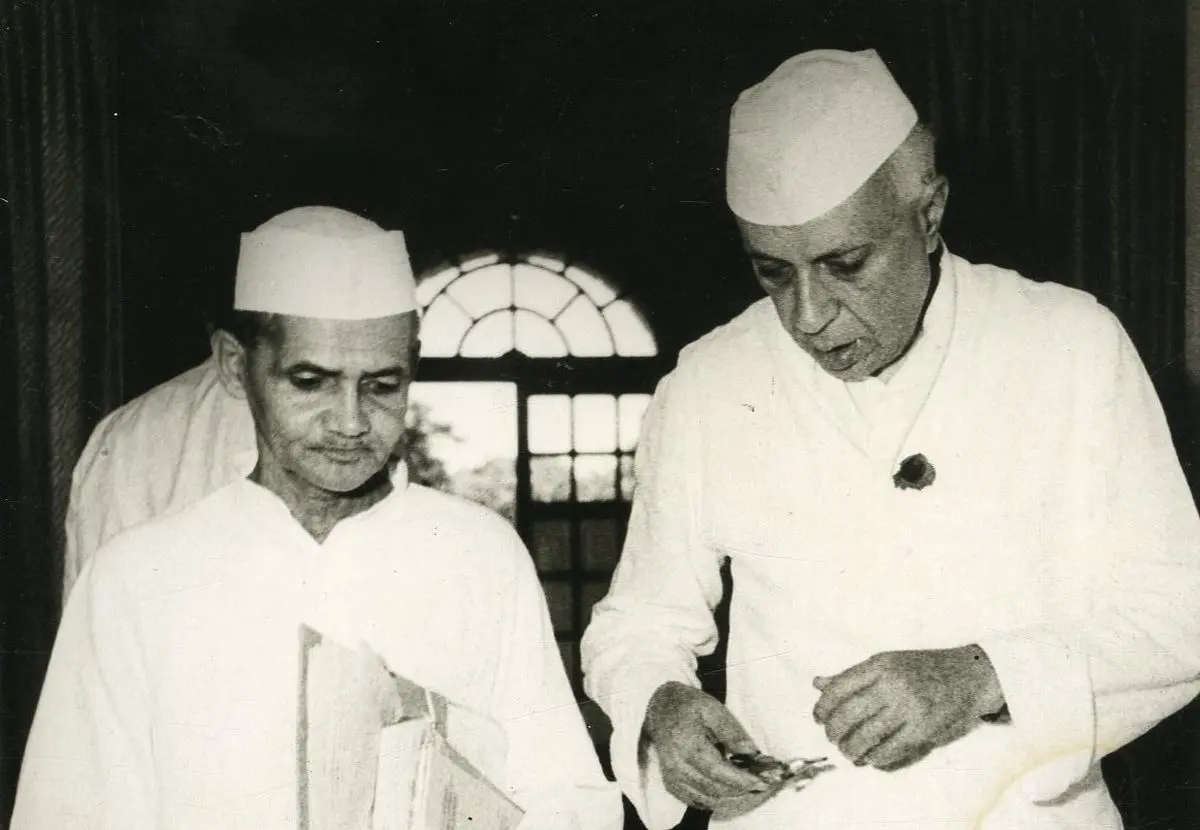
Lal Bahadur Shastri’s life teaches us that true leadership does not require power or wealth. It requires honesty, courage, humility, and dedication to the people.
His simple lifestyle, moral values, and strong decisions continue to inspire students, leaders, and citizens. Roads, schools, institutions, and awards across India are named in his honor.
Even today, his slogan “Jai Jawan, Jai Kisan” remains relevant and meaningful.
Conclusion
Lal Bahadur Shastri was not just a Prime Minister; he was a role model for the nation. From a humble background to the highest office in the country, his journey is an example of dedication, simplicity, and service.
His life reminds us that real greatness lies in character, not position. Lal Bahadur Shastri will always be remembered as a leader who stood for truth, unity, and the well-being of India.
Related Articles:
Indira Gandhi: Life, Leadership, Contributions, and Legacy
Rani Lakshmi Bai – Freedom Struggle and Revolt of 1857
Frequently Asked Questions (FAQs)
1. Who was Lal Bahadur Shastri?
Lal Bahadur Shastri was the second Prime Minister of India, known for his honesty, simplicity, and strong leadership.
2. When was Lal Bahadur Shastri born?
He was born on 2 October 1904 in Mughalsarai, Uttar Pradesh.
3. What is Lal Bahadur Shastri famous for?
He is famous for leading India during the Indo-Pak war, starting the Green Revolution, and the slogan “Jai Jawan, Jai Kisan”.
4. What does “Jai Jawan, Jai Kisan” mean?
It means “Hail the Soldier, Hail the Farmer”, showing respect for soldiers and farmers.
5. Which movements did Lal Bahadur Shastri take part in?
He participated in the Non-Cooperation Movement, Salt Satyagraha, and Quit India Movement.
6. When did Lal Bahadur Shastri die?
He passed away on 11 January 1966 in Tashkent.
7. What award was given to Lal Bahadur Shastri after his death?
He was awarded the Bharat Ratna, India’s highest civilian award.