Kuwait Geological Park Opens as Nation’s First Geo-Education Hub

Kuwait Geological Park has emerged as one of the country’s most important environmental and educational developments. The opening of Kuwait’s first geological park marks a major step toward spreading scientific awareness, supporting research and encouraging eco-friendly tourism. Designed as a space where nature, history and science come together, the park highlights Kuwait’s distinct landscapes, rare geological formations and cultural heritage. It also reflects the country’s broader vision to diversify its economy and strengthen sustainability-focused initiatives.
Thank you for reading this post, don't forget to subscribe!Kuwait Geological Park: A Vision That Supports National Growth
The creation of the park is closely connected to Kuwait’s long-term national development goals. As the country continues to expand beyond its traditional oil-dependent economy, new efforts are underway to promote sustainable tourism and create educational spaces for the public. The geological park is one of these major steps.
Authorities aim to make the site an open-air scientific center where schools, university groups and researchers can learn about the geological evolution of the region. Students and professionals will be able to observe natural formations, analyze soil and rock samples, and explore how Kuwait’s landscape has changed over millions of years.
Its close distance to Kuwait City is another advantage. Easy access encourages families, teachers, tourists and researchers to visit frequently and participate in science-based activities. The park is expected to inspire young learners and deepen public interest in environmental conservation.
Kuwait Geological Park: Learning Experiences and Visitor Activities
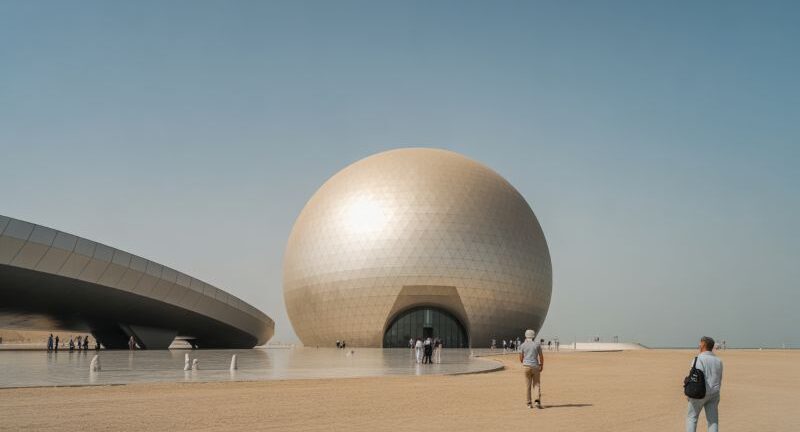
One of the strongest features of the Kuwait Geological Park is its rich collection of educational facilities. Every part of the site has been carefully planned to help visitors understand the earth’s natural processes and Kuwait’s unique geological background.
Curated walking trails guide visitors through different rock formations and mineral zones. Each trail contains panels explaining how various rock layers were formed, what minerals are present and how different geological events shaped Kuwait’s terrain. These displays use simple, clear language to make information easy for all age groups.
The park also includes:
• Interactive Exhibits
Hands-on models allow visitors to touch and examine mineral samples, test soil textures and observe fossils. These interactive elements help people learn through direct experience rather than only reading or watching presentations.
• Geological History Wall
A large timeline wall presents Kuwait’s geological story from ancient seabeds to desert formation, tectonic movements and climate changes. This visual display helps visitors connect the past with the present landscape in an engaging way.
• Mineral and Fossil Garden
A specially designed garden showcases minerals found in Kuwait and the larger Gulf region. Here, visitors can compare colors, weights and crystal patterns while learning how each mineral is formed.
• Guided Walks and Workshops
Experts lead guided walks across the park, explaining erosion, sedimentation, fossil evidence and natural formations. Workshops are held for children, students and adult groups focusing on topics such as rock identification, climate patterns and conservation.
The educational diversity of the park is one of the reasons it is expected to attract visitors throughout the year, including tourists interested in nature-based experiences.
Kuwait Geological Park: Preserving Natural and Cultural Heritage
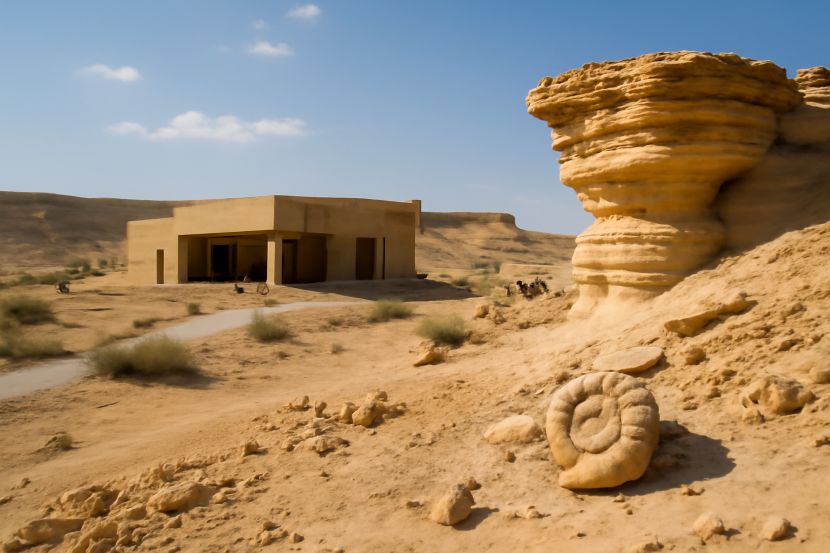
The park is located in an area known for both geological and archaeological richness. One of the most fascinating natural features within the site is the presence of sand injectite structures formations created when sand is forced upward into cracks in the earth. These structures are visually striking and often compared to landscapes found on Mars. They provide researchers with valuable insights into ancient environmental conditions.
In addition to geological wonders, the park also protects traces of early human habitation. Archaeological evidence from the Ubaid civilisation highlights Kuwait’s long history of settlement and cultural development. These sites offer a rare look into the region’s connection to early human societies.
Another historically significant point within the park is the area where Kuwait’s first oil exploration well was drilled in 1936. This marks the beginning of the country’s transformation into a major oil-producing nation. By preserving this location, the park helps visitors understand the link between geological resources and the nation’s economic journey.
Kuwait Geological Park: A Step Toward Global Recognition
Kuwait has ambitious plans for the future of its geological park. As part of its long-term roadmap, the site is being developed in two stages and will eventually cover nearly 1,000 square kilometers, making it one of the region’s largest nature-focused parks.
Future expansion plans include:
• Ecological Restoration Projects
More than 300 native plant species are proposed for planting across the park. This effort will help rebuild natural habitats, support wildlife and stabilise the ecology of the region.
• Enhanced Visitor Spaces
Upcoming additions will include improved facilities such as research zones, observation towers, educational halls, rest areas and accessible pathways.
• Progress Toward UNESCO Global Geoparks Status
The final long-term goal is to earn a place in the UNESCO Global Geoparks Network. Achieving this recognition would position Kuwait as a regional leader in conservation-driven tourism, scientific outreach and sustainable landscape development. Officials believe the park’s geological diversity and educational vision place it on the right path toward meeting UNESCO’s standards.
The Kuwait Oil Company has played an essential role in supporting the project, aligning it with national sustainability and environmental goals. Their involvement reinforces the idea that industrial progress and ecological awareness can move forward together.