Local Chikungunya Case US 2025: A Warning Sign for Emerging Mosquito-Borne Diseases

The confirmation of a Local Chikungunya Case US 2025 in New York marks a significant public health development. The New York State Department of Health recently verified the first locally acquired case of the chikungunya virus in the United States since 2019. This case, detected in Nassau County on Long Island, represents the first known local transmission in New York’s history. The infected person is believed to have contracted the virus through a mosquito bite, although the source remains unclear. The incident has prompted heightened vigilance regarding mosquito-borne diseases in temperate climates, where such infections have been historically rare.
Thank you for reading this post, don't forget to subscribe!Understanding the Local Chikungunya Case US 2025
Chikungunya is a mosquito-borne viral disease primarily transmitted by Aedes aegypti and Aedes albopictus mosquitoes. It was first identified in Africa in the 1950s but has since spread across Asia, Europe, and the Americas. The term “chikungunya” comes from the Kimakonde language, meaning “that which bends up,” a reference to the severe joint pain it causes.
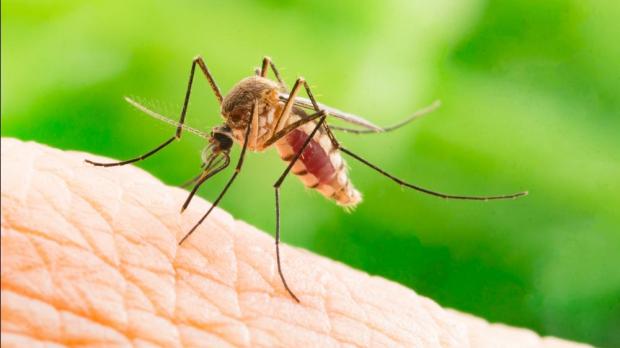
In the context of the Local Chikungunya Case US 2025, health authorities have noted that Aedes albopictus mosquitoes commonly known as Asian tiger mosquitoes are present in parts of New York. These mosquitoes are capable of transmitting the virus if they bite an infected person and then bite another. The discovery of a locally acquired infection suggests that environmental conditions and global travel may have aligned to enable limited transmission within the region.
Symptoms and Effects: Key Concerns in the Local Chikungunya Case US 2025
The chikungunya virus typically causes a sudden onset of high fever, severe joint pain, muscle aches, headache, rash, and fatigue. While most patients recover within a week, joint pain can persist for months, significantly affecting quality of life. Elderly individuals, newborns, and those with chronic health issues are more vulnerable to complications.
The Local Chikungunya Case US 2025 serves as a reminder that even one case in a non-endemic region signals a need for awareness. While the disease rarely leads to death, its debilitating symptoms can strain healthcare systems and highlight gaps in mosquito surveillance and prevention strategies.
Transmission Dynamics of the Local Chikungunya Case US 2025
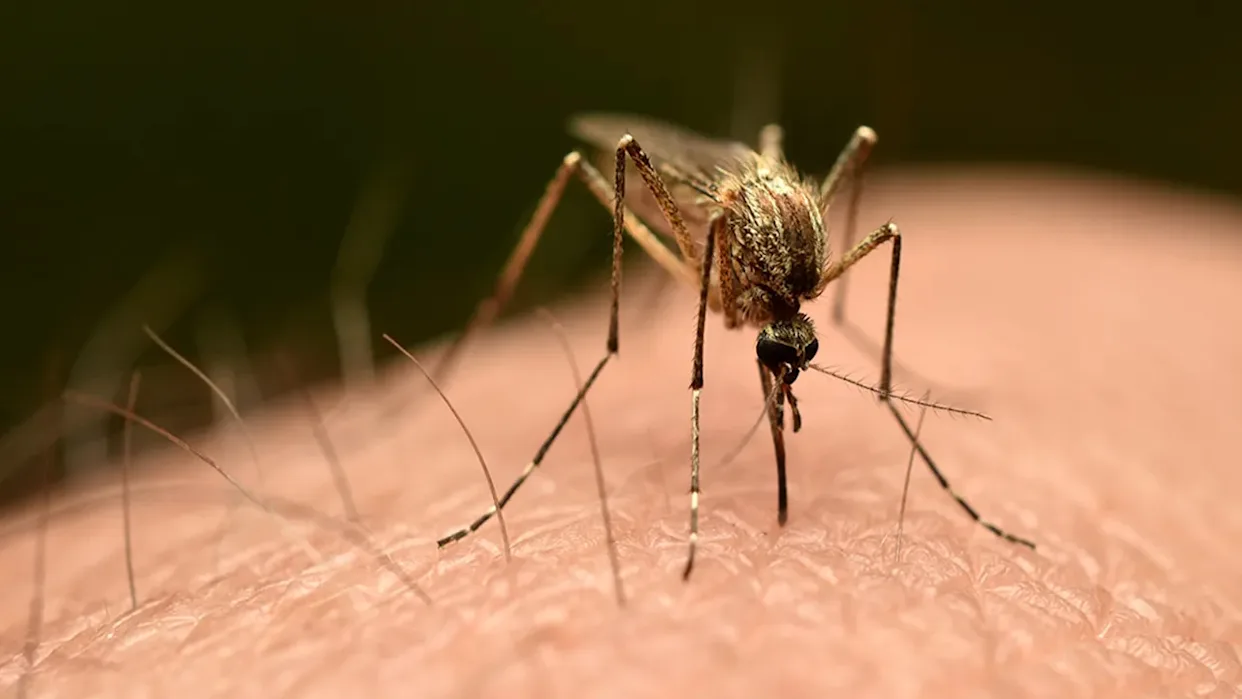
Chikungunya is transmitted when a mosquito bites an infected person and later bites another individual. In most US cases, infections have been travel-related, involving people returning from tropical or subtropical areas where the virus is endemic.
However, the Local Chikungunya Case US 2025 indicates a shift. For local transmission to occur, an infected traveller must introduce the virus to local mosquitoes capable of spreading it. Previously, mosquito surveillance in New York had not detected infected mosquitoes, making this incident noteworthy. It shows that under suitable conditions warm temperatures and the presence of Aedes mosquitoes the virus can briefly circulate even in temperate environments.
Preventive Measures Amid the Local Chikungunya Case US 2025
Although the risk of widespread transmission remains low, preventive actions are essential. The New York State Department of Health has issued recommendations for residents, including:
- Using EPA-approved mosquito repellents containing DEET, picaridin, or oil of lemon eucalyptus.
- Wearing long-sleeved shirts and pants to minimize skin exposure.
- Eliminating stagnant water sources, such as flower pots, gutters, and containers where mosquitoes breed.
- Maintaining window and door screens to prevent mosquito entry indoors.
These steps, if widely adopted, can help contain potential mosquito-borne disease spread following the Local Chikungunya Case US 2025.
Public Health Surveillance and the Local Chikungunya Case US 2025
Health officials in New York are intensifying mosquito monitoring programs to detect the presence of chikungunya or other arboviruses like dengue and Zika. Since 2014, most US chikungunya cases have been associated with travellers from endemic regions. In 2025, before the local transmission was reported, New York had recorded three travel-related cases outside New York City.
Currently, there is no specific antiviral treatment for chikungunya. Symptom management involves rest, hydration, and medications to relieve pain and fever. Although two vaccines have been developed and approved, they are not yet widely available to the public.
The Local Chikungunya Case US 2025 reinforces the need for preparedness. Local health departments are coordinating with the Centers for Disease Control and Prevention (CDC) to identify the virus strain and assess its genetic similarity to global variants.
Global and Environmental Implications of the Local Chikungunya Case US 2025
Globally, chikungunya has affected millions across Asia, Africa, and Latin America. While sporadic outbreaks have occurred in southern parts of the United States, including Florida and Texas, this is the first time New York has reported a locally transmitted case. Experts warn that climate change, urbanization, and international travel are expanding the range of mosquito species capable of carrying tropical viruses.
The Local Chikungunya Case US 2025 highlights how warming temperatures and increased human mobility can introduce tropical pathogens into new ecosystems. Warmer summers and extended mosquito breeding seasons can create ideal conditions for local outbreaks in previously unaffected areas.
The Broader Significance of the Local Chikungunya Case US 2025
This event underscores the importance of ongoing research and adaptive public health policies. The case in Nassau County may serve as a signal for other regions to enhance vector surveillance and climate-related health risk assessments. Public education campaigns are equally vital to ensure communities understand prevention methods and early symptom recognition.
In the aftermath of the Local Chikungunya Case US 2025, both residents and officials are reminded that mosquito-borne diseases are not confined to the tropics. Proactive health measures, environmental management, and scientific collaboration will be crucial to minimizing future risks as the United States faces evolving climate and disease dynamics.