Manipur Kuki-Zo Pact: A New Step Toward Peace and Stability in Manipur

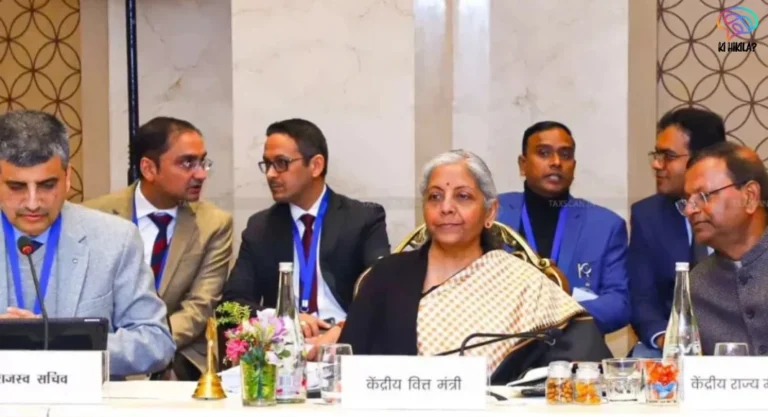
The Manipur Kuki-Zo Pact marks a crucial milestone in restoring peace and stability in the violence-affected state of Manipur. On 4 September 2025, the Union Home Ministry and the Manipur government signed a revised Suspension of Operations (SoO) agreement with 24 Kuki-Zo insurgent groups. The pact comes after the devastating ethnic conflict that erupted between the Kuki-Zo and Meitei communities on 3 May 2023, leading to hundreds of deaths and massive displacement. The latest agreement aims to foster reconciliation, strengthen verification mechanisms for insurgent groups, and ensure the free movement of people and goods across Manipur.
Thank you for reading this post, don't forget to subscribe!Background of the Conflict
The origins of the crisis lie in long-standing ethnic tensions between the Kuki-Zo and Meitei communities. In May 2023, widespread violence broke out, claiming over 250 lives and displacing more than 60,000 people from their homes. Entire villages were burned, and community relationships fractured beyond repair. Initially, Kuki-Zo groups demanded separate territorial or autonomous councils within Manipur. However, as discussions progressed, these demands evolved into calls for political settlements within the constitutional framework of India. The Manipur Kuki-Zo Pact reflects a more pragmatic approach, emphasizing unity, peace, and constitutional integrity.
Key Provisions of the Revised SoO Pact
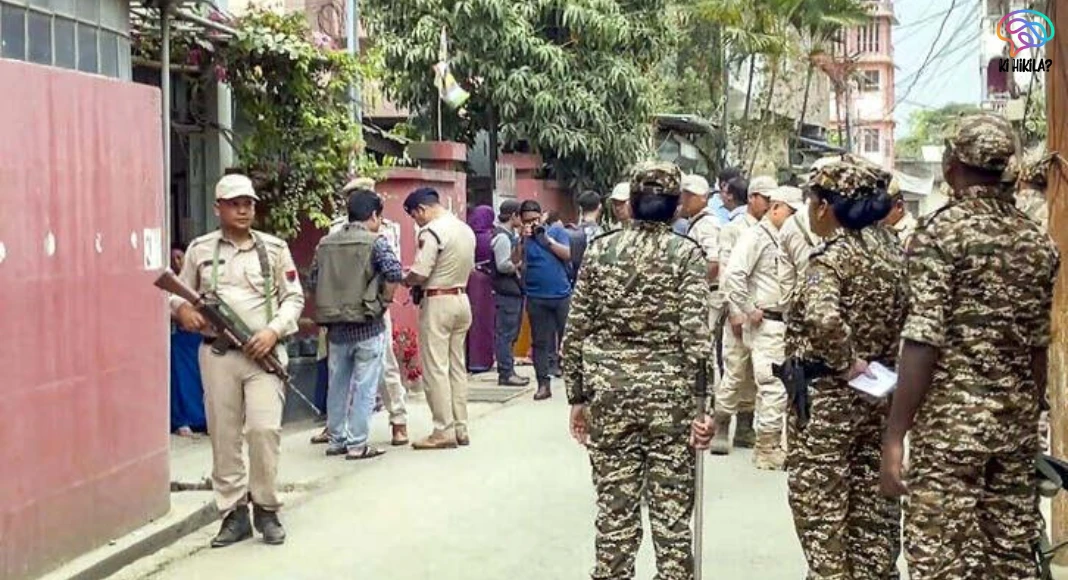
The new SoO pact introduces several important provisions to regulate insurgent activities and restore normalcy. The number of camps permitted for insurgent groups has been reduced to six each for the Kuki National Organisation (KNO) and the United People’s Front (UPF), down from the previous fourteen. These camps must now be located away from densely populated areas, highways, and sensitive zones to minimize the risk of renewed violence.
Every insurgent cadre will have to maintain an Aadhaar-linked bank account to receive their monthly stipend, which promotes accountability and transparency. Manipur Police will issue photo identity cards to all verified cadres. The agreement also mandates the identification and deportation of foreign nationals, particularly those belonging to Myanmar’s Chin-Kuki ethnic group, who may have crossed the border during the conflict.
By enforcing strict compliance measures, the Manipur Kuki-Zo Pact seeks to dismantle illegal networks and prevent any regrouping of armed factions that could destabilize the region again.
Verification and Monitoring Mechanism
A key feature of the revised pact is the establishment of a Joint Monitoring Group (JMG), headed by the Principal Secretary (Home) of Manipur. This body will oversee the verification of each cadre’s identity and maintain a detailed roster of members eligible for the monthly stipend of ₹6,000. Payments will be made only to verified individuals physically present during scheduled inspections, ensuring financial discipline within the insurgent ranks.
The pact strictly prohibits the recruitment of new members, possession of illegal arms, and engagement in violent or offensive activities against civilians or security forces. This structured approach creates a framework of mutual accountability, helping build trust between the government and the insurgent groups.
Security and Movement of Goods
For nearly two years, National Highway-2 (NH-2) a vital economic lifeline connecting Imphal Valley with Nagaland and Assam remained blockaded due to the conflict. This disrupted the transport of essential supplies, including food, medicine, and fuel. As part of the Manipur Kuki-Zo Pact, the Kuki-Zo Council has pledged to ensure the free and safe movement of goods and vehicles along this route.
This development is expected to significantly boost Manipur’s economy, improve the availability of daily necessities, and rebuild confidence among communities living along the highway. The cooperation between security forces and local councils will be critical in ensuring that peace is maintained in these sensitive areas.
Political and Legal Framework
The agreement underscores complete adherence to the Constitution of India and the territorial integrity of Manipur. While it rules out any form of separate administrative setup, it leaves the door open for future political dialogues that could address the aspirations of the Kuki-Zo community within constitutional boundaries.
The pact forbids insurgent organizations from forming alliances with any armed groups either within or outside India, thereby isolating militant influences. It also empowers the government to act against violations of the SoO terms, reinforcing its authority while maintaining a cooperative stance with compliant groups.
Through this balanced framework, the Manipur Kuki-Zo Pact creates a platform for dialogue-driven peace, emphasizing development, rehabilitation, and governance over confrontation.
Impact on Peace and Stability
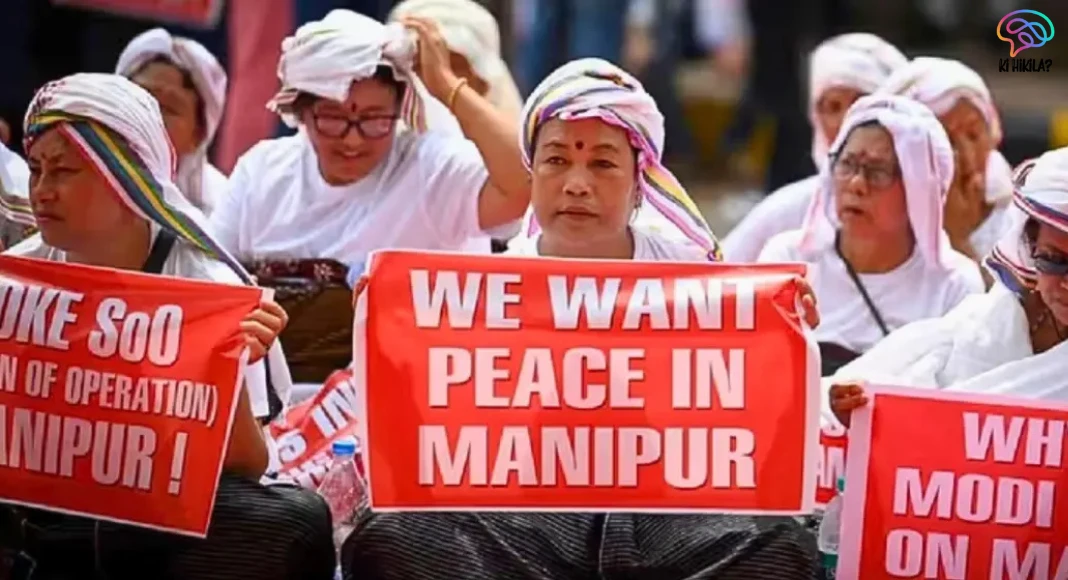
The revised SoO pact has brought renewed hope to Manipur’s residents, who have endured prolonged insecurity and uncertainty. By establishing clear rules, regular monitoring, and accountability measures, the agreement lays the foundation for sustainable peace. Security forces will refrain from operations against compliant groups, which could encourage other factions to seek dialogue instead of violence.
The pact also creates a basis for continued tripartite discussions involving the central government, Manipur authorities, and Kuki-Zo representatives. These talks could pave the way for deeper socio-political reconciliation, infrastructure rebuilding, and community integration.
The reopening of NH-2 and the verification of cadres mark immediate and visible benefits, but the true success of the Manipur Kuki-Zo Pact will depend on its long-term implementation and the willingness of all stakeholders to maintain peace. If effectively enforced, this agreement could serve as a model for conflict resolution and peacebuilding in other parts of Northeast India.