


Mohammed Shami Retires from Test Cricket

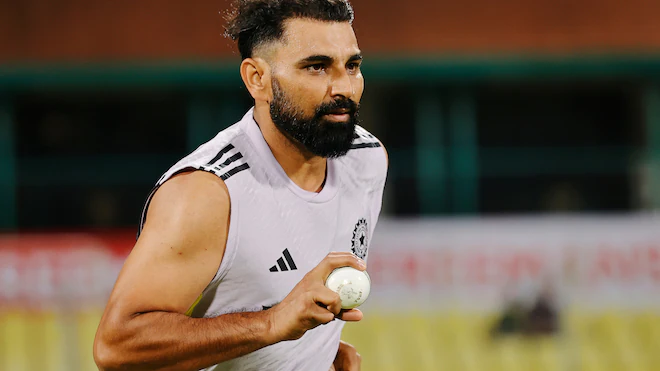
Mohammed Shami, one of India’s most successful fast bowlers, announced his retirement from Test cricket on 6 November 2026. The 36-year-old made the announcement through an emotional video message shared on Instagram, bringing an end to his 13-year career in the longest format of international cricket. During his time in Test cricket, Shami represented India in 64 matches and took 229 wickets.
Although he has retired from Test cricket, Shami plans to continue playing white-ball cricket. He is expected to remain active in limited-overs competitions, including the Indian Premier League (IPL) and domestic cricket. His announcement marks the end of an important chapter in Indian cricket but not the end of his professional playing career.

Mohammed Shami’s 13-Year Test Career
Mohammed Shami made his Test debut against the West Indies at Eden Gardens in Kolkata on 6 November 2013. Interestingly, he announced his retirement on the 13th anniversary of that debut.
He quickly became an important member of India’s fast-bowling attack. Known for his pace, accuracy and ability to move the ball, Shami troubled batters in different conditions. He could produce movement with the new ball and also use an older ball effectively.
During his 64 Test matches, Shami took 229 wickets at an average of 27.71. His record includes six five-wicket hauls, which means he took at least five wickets in a single innings on six occasions.
His performances helped India compete in major Test series at home and overseas. He was particularly valued for his ability to maintain pressure on batters and take wickets at important moments.
Final Test Match Against Australia
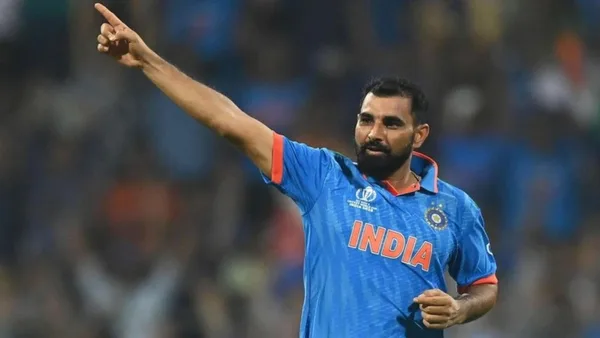
Shami’s final appearance in Test cricket came during the World Test Championship final against Australia at The Oval in London in June 2023.
The match was an important international contest, with India and Australia competing for the World Test Championship title. Although Shami continued to be part of India’s wider cricket plans, injuries and fitness concerns affected his availability in the following years.
His retirement announcement in November 2026 therefore brought a formal end to a Test career that had included major performances across different countries and playing conditions.
India’s Leading Test Fast Bowlers
With 229 Test wickets, Mohammed Shami is sixth among India’s leading Test wicket-takers among fast bowlers, according to the figures provided in the retirement announcement.
His record places him among the notable fast bowlers who have represented India in the longest format. Test cricket demands physical strength, fitness and the ability to bowl long spells. Fast bowlers must also adjust their line, length and pace according to the pitch, weather and condition of the ball.
Shami’s ability to perform these tasks made him a regular part of India’s Test bowling plans for more than a decade. His contribution was not limited to taking wickets; he also helped create pressure from one end and supported other bowlers during long spells.
Shami’s Bowling Style: Seam and Swing
One of the most recognised features of Mohammed Shami’s bowling is his ability to combine seam movement with conventional and reverse swing.
Seam movement occurs when the ball changes direction after landing on the pitch because of the position of its seam and the surface conditions. Conventional swing happens when the ball moves through the air because of differences in airflow around its two sides.
Reverse swing is a different skill that can make an older ball move through the air, often in the direction opposite to conventional swing. It generally requires careful control of the ball and suitable conditions.
Shami developed a reputation for using these skills effectively. As a young player, he reportedly asked for used cricket balls after matches so that he could practise reverse swing. This helped him work on controlling an older ball and improving his bowling technique.
His skill with the ball made him a difficult bowler to face, particularly when he found the right length and generated movement off the pitch.
A Memorable Test Debut Against West Indies
Shami made an immediate impression during his Test debut against the West Indies in November 2013. He took nine wickets for 118 runs in the match, which was then the most wickets taken by an Indian fast bowler on Test debut.
The performance gave Indian cricket supporters an early indication of his potential. He continued to develop as an international bowler and became an important part of India’s pace attack.
Over the years, Shami played in several major Test series and helped India build a strong fast-bowling group. His career also showed the importance of discipline, practice and technical improvement in international cricket.
Injuries and Absence from the Indian Team
Injuries played a major role in Shami’s later international career. Fitness problems affected his availability and made it difficult for him to maintain regular participation across formats.
According to the supplied report, he had been out of the Indian team since the 2025 Champions Trophy. Shami’s retirement announcement came after a period in which he was not regularly representing India at the international level.
Fast bowlers face significant physical demands because repeated high-speed bowling puts pressure on the knees, ankles, shoulders and other parts of the body. Managing fitness and recovery is therefore an important part of a fast bowler’s career.
Shami’s decision to retire from Test cricket allows him to focus on the formats and competitions he intends to continue playing.
Mohammed Shami to Continue in White-Ball Cricket
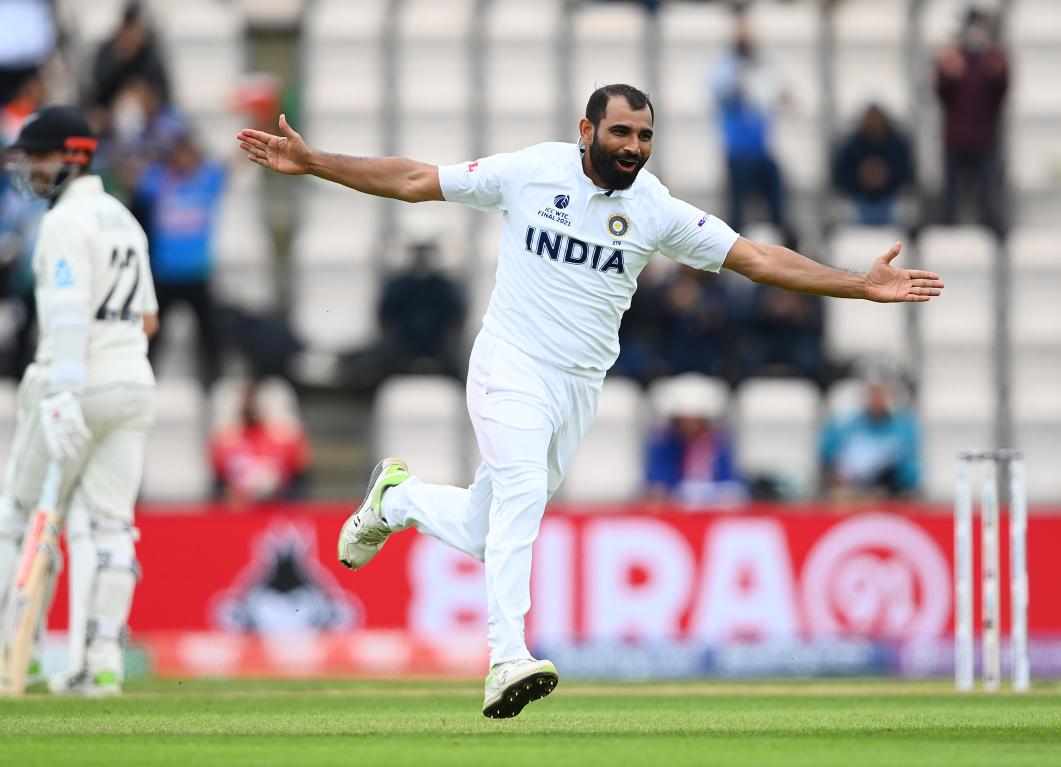
Shami has made it clear that his retirement is limited to Test cricket. He intends to continue playing white-ball cricket, which includes One Day Internationals, domestic limited-overs competitions and the Indian Premier League.
The IPL remains an important platform for experienced Indian and international players. It also gives players opportunities to compete with different teams and work with coaches from around the world.
Shami thanked his teammates, coaches, family members and fans for supporting him throughout his career. He also expressed gratitude to the Board of Control for Cricket in India (BCCI) and the Cricket Association of Bengal for their support.
His decision means that cricket fans may still see him in limited-overs competitions, even though he will no longer represent India in Test matches.