

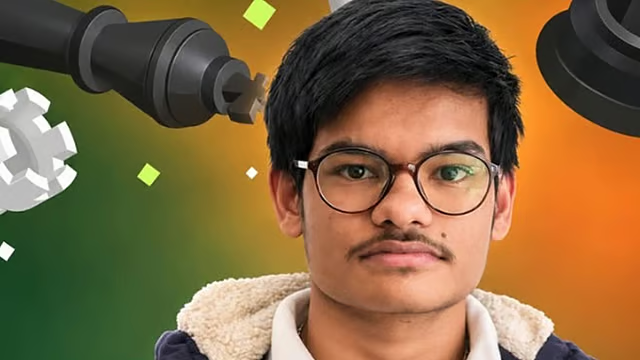
Anuj Shrivatri Becomes India’s 100th Grandmaster

Anuj Shrivatri, a 22-year-old chess player from Madhya Pradesh, has made history by becoming India’s 100th chess Grandmaster. He achieved this milestone on 8 November 2026 after winning the 7th ASEAN Plus Individual Open Chess Championship in Ozamiz City, Philippines. Shrivatri scored 7 points out of 9 rounds to secure the championship and earn his place in India’s growing list of Grandmasters.
His achievement is especially important for Madhya Pradesh because he has become the first Grandmaster from the state. The milestone also came during the Diwali celebrations, making the occasion memorable for the Indian chess community.

Anuj Shrivatri’s Victory in the ASEAN Plus Championship
Anuj Shrivatri secured the title of India’s 100th Grandmaster through his performance at the 7th ASEAN Plus Individual Open Chess Championship. The tournament was held in Ozamiz City in the Philippines and brought together players competing for the championship title.
Shrivatri finished the competition with 7 points from 9 rounds. His strong performance helped him win the event and reach the historic Grandmaster milestone.
At just 22 years of age, he has become an important name in Indian chess. His achievement reflects years of practice, preparation and participation in competitive tournaments. Winning an international championship also gives his career a significant boost.
Madhya Pradesh Gets Its First Chess Grandmaster
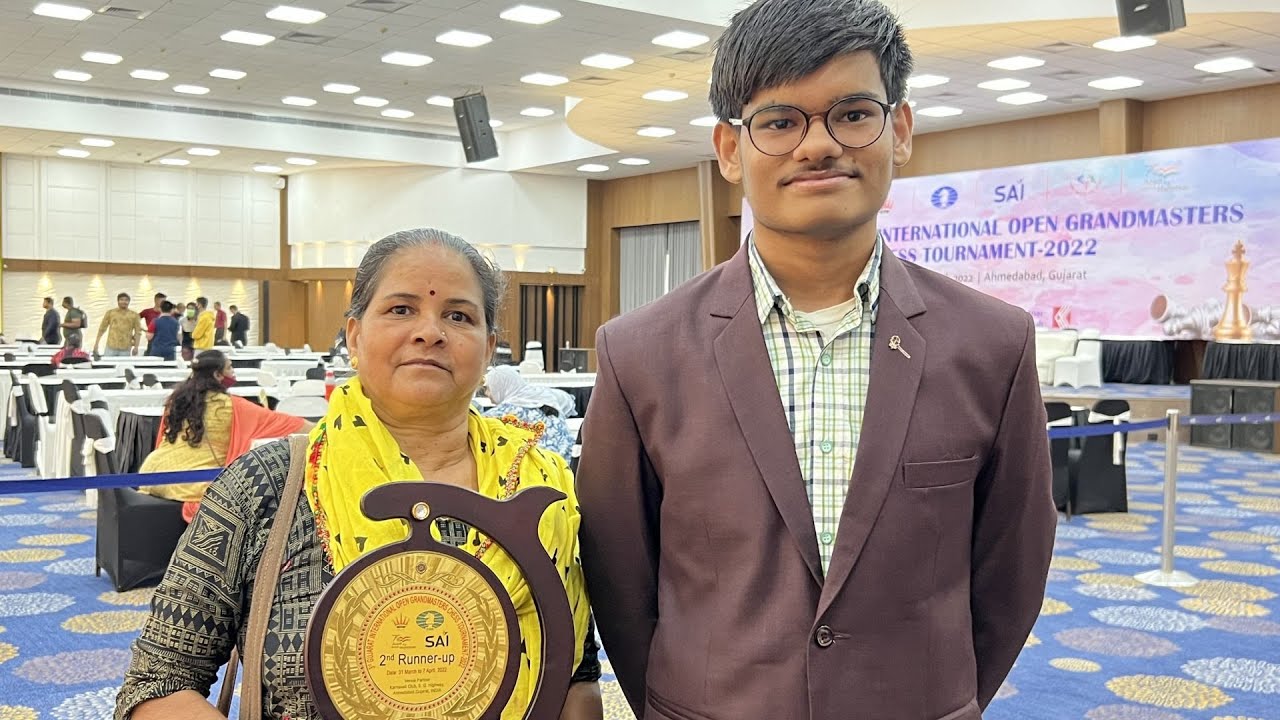
One of the most notable parts of Shrivatri’s achievement is his connection with Madhya Pradesh. He is the first chess Grandmaster from the state.
India has produced many talented chess players from different regions, but Shrivatri’s success gives Madhya Pradesh a new place in the country’s chess history. His achievement may encourage more young players from the state to take up chess and participate in national and international competitions.
Chess requires concentration, planning, patience and the ability to make decisions under pressure. Reaching the Grandmaster level generally involves years of training and competition against strong players. Shrivatri’s success shows how dedication and consistent effort can help a player reach the highest level of the sport.
India Reaches the 100 Grandmaster Milestone
With Anuj Shrivatri becoming the 100th Grandmaster, India has reached an important milestone in international chess. The country has developed a strong chess culture over the years, with players achieving success in major international tournaments.
India’s first Grandmaster was Viswanathan Anand, who received the title in 1988. His achievements helped bring international attention to Indian chess and inspired a new generation of players.
All India Chess Federation president Nitin Narang congratulated Shrivatri on his achievement. Former world champion Viswanathan Anand also highlighted the growth of Indian chess. He noted that India had around 30 Grandmasters about 15 years ago and reached 75 during the 2022 Chess Olympiad held in Chennai.
The country has now reached the 100-player mark, showing how much Indian chess has grown in recent years.
Tamil Nadu Leads India’s Grandmaster Count
India’s Grandmasters come from several states, but Tamil Nadu has produced the highest number. According to the figures shared with the announcement, 38 of India’s 100 Grandmasters are from Tamil Nadu.
The state has a strong chess culture, supported by training centres, tournaments, coaches and a large number of young players. Several Indian chess champions have also come from Tamil Nadu.
Before Shrivatri became the 100th Grandmaster, VS Rathanvel had become India’s 99th Grandmaster in July 2026. Shrivatri’s achievement soon after that milestone brought the country’s total to 100.
The increasing number of Grandmasters reflects the growing interest in chess across India. More young players are now taking part in tournaments and aiming to compete at the international level.
What Is the FIDE Grandmaster Title?
The Grandmaster title is one of the highest honours awarded in chess by the International Chess Federation, commonly known as FIDE. It is awarded to players who meet specific performance and rating requirements.
Under the usual route, a player must earn three Grandmaster norms and reach a peak Elo rating of at least 2,500. A norm is awarded for achieving a strong result in a tournament that meets FIDE’s requirements, including the participation of titled players from different countries.
Once awarded, the Grandmaster title is generally held for life. A player does not need to maintain a rating of 2,500 after receiving the title.
FIDE also has certain special routes through which players can earn the Grandmaster title by achieving specific results in major competitions. These include selected World Cup, junior, senior, women’s and continental events, subject to the relevant rules and rating conditions.
The Grandmaster title is open to players of any gender. FIDE also awards a separate Woman Grandmaster title, which has different and generally lower requirements.
Viswanathan Anand’s Contribution to Indian Chess
Viswanathan Anand holds a special place in India’s chess history because he became the country’s first Grandmaster in 1988. His success helped make chess more popular among Indian students and young sports enthusiasts.
Anand later became a world champion and inspired many Indian players to compete internationally. Over the years, India has produced several successful chess players, including young talents who have performed well in world-level competitions.
The growth from one Grandmaster in 1988 to 100 in 2026 represents a major change in India’s chess journey. Better access to coaching, more tournaments, online training platforms and increased interest in the sport have helped players develop their skills.
A New Chapter for Indian Chess
Anuj Shrivatri’s achievement is a proud moment for Madhya Pradesh and Indian chess. Becoming the country’s 100th Grandmaster after winning an international championship is a major step in his sporting career.
His success also highlights the wider growth of chess in India. With more players entering international competitions and states developing their own chess talent, the country continues to strengthen its position in the global chess community.