



National Geothermal Energy Policy 2025: A New Milestone in India’s Clean Energy Journey

India has taken a major step toward clean energy transformation with the introduction of the National Geothermal Energy Policy 2025, a landmark framework designed to harness the nation’s untapped geothermal potential. This forward-looking policy marks a new chapter in India’s renewable energy mission and supports the country’s ambitious goal of achieving Net Zero emissions by 2070. By focusing on sustainable exploration, innovation, and collaboration, the policy aims to establish geothermal energy as a vital component of India’s green growth strategy.
Thank you for reading this post, don't forget to subscribe!A Vision for Sustainable Development
The National Geothermal Energy Policy 2025, notified by the Ministry of New and Renewable Energy (MNRE), reflects India’s growing emphasis on energy diversification. It promotes geothermal energy as a dependable, eco-friendly, and indigenous resource capable of providing continuous power generation. Unlike solar or wind energy, which are intermittent, geothermal energy ensures round-the-clock electricity supply and stability for the national grid.
This policy serves as a comprehensive framework that combines scientific research, technological innovation, and institutional support. It also emphasizes inter-ministerial coordination, ensuring cooperation between various sectors and state governments to create an enabling environment for geothermal development.
Expanding the Scope of Geothermal Applications
The new policy highlights that geothermal energy is not limited to electricity production alone. Its applications extend across multiple sectors, offering both direct and indirect uses that can transform local economies.
Geothermal energy can be applied in district heating systems, agriculture, aquaculture, and space cooling through Ground Source Heat Pumps (GSHPs). It also holds potential for greenhouse farming, tourism, cold storage, and desalination projects, providing sustainable solutions to pressing challenges in rural and urban areas.
For instance, integrating geothermal systems into cold storage can significantly reduce post-harvest losses in agriculture, while geothermal-heated greenhouses can enable year-round crop production in cooler regions. Similarly, geothermal spas and tourism ventures could boost local economies in states like Himachal Pradesh and Jammu & Kashmir.
Driving Technological Innovation and Research
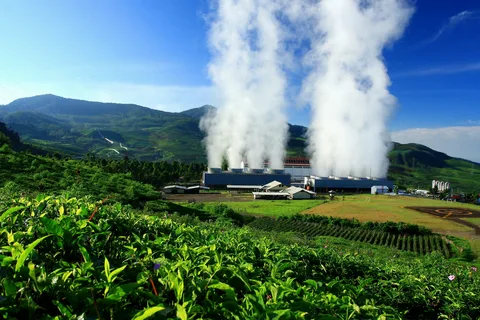
At the heart of the National Geothermal Energy Policy 2025 lies a strong emphasis on technological advancement. The policy supports the development of hybrid geothermal-solar power plants, leveraging India’s existing solar expertise to create complementary renewable systems.
It also encourages the retrofitting of abandoned oil wells for geothermal use a cost-effective and resourceful approach that minimizes land disturbance and environmental impact. Furthermore, the promotion of Enhanced Geothermal Systems (EGS) and Advanced Geothermal Systems (AGS) will enable power generation even in areas with low natural heat flow.
The MNRE plans to facilitate dedicated research programs in collaboration with universities, research institutions, and international partners to address technical challenges such as drilling efficiency, reservoir management, and heat transfer optimization.
Implementation Framework and Collaboration
The Ministry of New and Renewable Energy serves as the nodal agency for policy execution. Under the first phase, five pilot and resource assessment projects have already been approved across key geothermal provinces. These pilot projects aim to assess technical feasibility, establish economic models, and build local expertise.
Developers will be granted exploration permits and 30-year leases to ensure long-term investment security. To streamline procedures, state governments are being encouraged to create single-window clearance systems, ensuring faster approvals and smoother implementation.
The policy also promotes collaboration with oil and gas companies, recognizing their valuable experience in drilling and subsurface exploration. Partnerships with international geothermal organizations and global research institutions are expected to enhance technology transfer, skill development, and financial support.
Mapping India’s Geothermal Potential
India possesses significant geothermal resources spread across ten major provinces and 381 identified hot springs. The Geological Survey of India (GSI) has mapped geothermal sites in 16 states, highlighting vast potential for clean energy generation.
Prominent geothermal regions include:
- Himalayan Province: Jammu & Kashmir, Himachal Pradesh, Uttarakhand
- Cambay Graben: Gujarat
- Aravalli Province: Rajasthan
- Godavari Basin: Andhra Pradesh, Telangana
- Other provinces cover Madhya Pradesh, Maharashtra, Odisha, Chhattisgarh, Haryana, Jharkhand, West Bengal, and the Andaman & Nicobar Islands
These regions provide diverse opportunities for both large-scale power generation and local, decentralized energy applications.
The Significance of the Policy
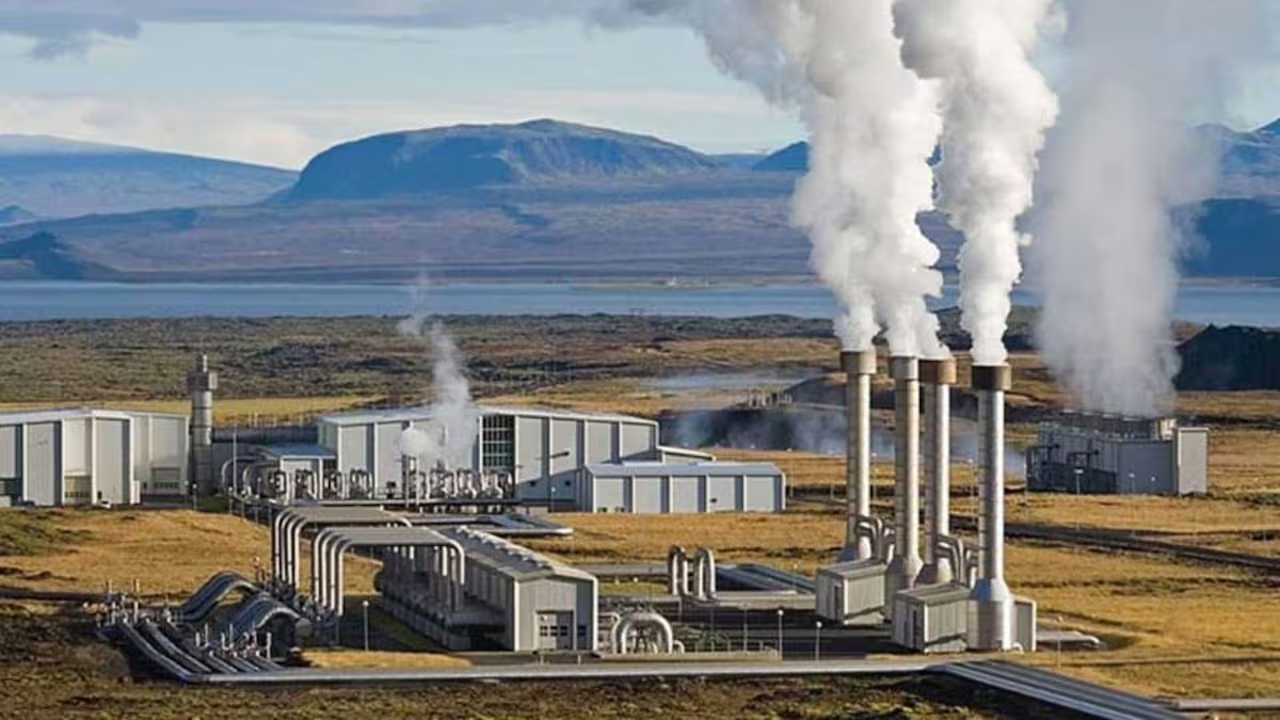
The National Geothermal Energy Policy 2025 represents more than just an energy initiative it is a strategic move to enhance energy security, economic resilience, and environmental sustainability.
Geothermal energy offers several unique advantages. It provides a steady and reliable energy supply, unaffected by weather conditions, making it a perfect complement to solar and wind systems. It contributes to reducing carbon emissions, thus aligning with India’s climate commitments under the Paris Agreement.
The development of geothermal projects will also open new economic avenues, particularly in remote and rural regions. From creating skilled employment opportunities to fostering innovation in green technologies, this policy is poised to generate social and economic value beyond energy production.
Looking Ahead
With the National Geothermal Energy Policy 2025, India is positioning itself as a pioneer in diversifying its renewable energy mix. While the initial phases will focus on pilot projects and resource assessments, the long-term vision includes large-scale commercialization, private sector participation, and integration with other renewable sources.
The success of this policy will depend on continuous research, financial investment, public awareness, and global collaboration. If implemented effectively, geothermal energy could become a cornerstone of India’s sustainable development framework delivering clean, stable, and indigenous power for generations to come.
In essence, the National Geothermal Energy Policy 2025 marks a transformative step in India’s renewable energy evolution a step toward a future powered by the earth’s own heat and guided by the vision of a greener, more self-reliant nation.