



Nomadic Elephant 2026 Begins

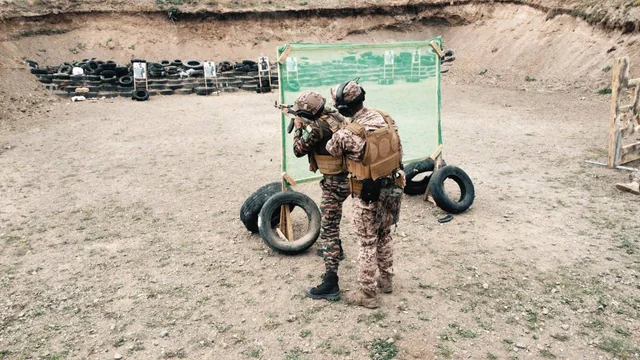
Nomadic Elephant 2026, the joint military exercise between India and Mongolia, began on September 21, 2026, at the Foreign Training Node in Pithoragarh, Uttarakhand. The exercise is the 18th edition of the annual military exercise and will continue until October 3, 2026.
Thank you for reading this post, don't forget to subscribe!The exercise brings together personnel from the Indian Army and the Mongolian Armed Forces for joint training and operational activities. A total of 90 personnel are participating, with 45 personnel from each country. The exercise focuses on improving coordination and operational understanding between the two armed forces.
18th Edition of Nomadic Elephant
The Nomadic Elephant exercise is conducted every year between India and Mongolia. It is organised at the platoon level, allowing soldiers from both countries to train together in realistic field conditions.
The 18th edition is being hosted by India at Pithoragarh. The previous edition, the 17th exercise, was held in Ulaanbaatar, Mongolia, during May and June 2025.
The annual nature of the exercise provides both sides with an opportunity to maintain regular military contact and exchange operational experience.
Focus on Counter-Insurgency Operations
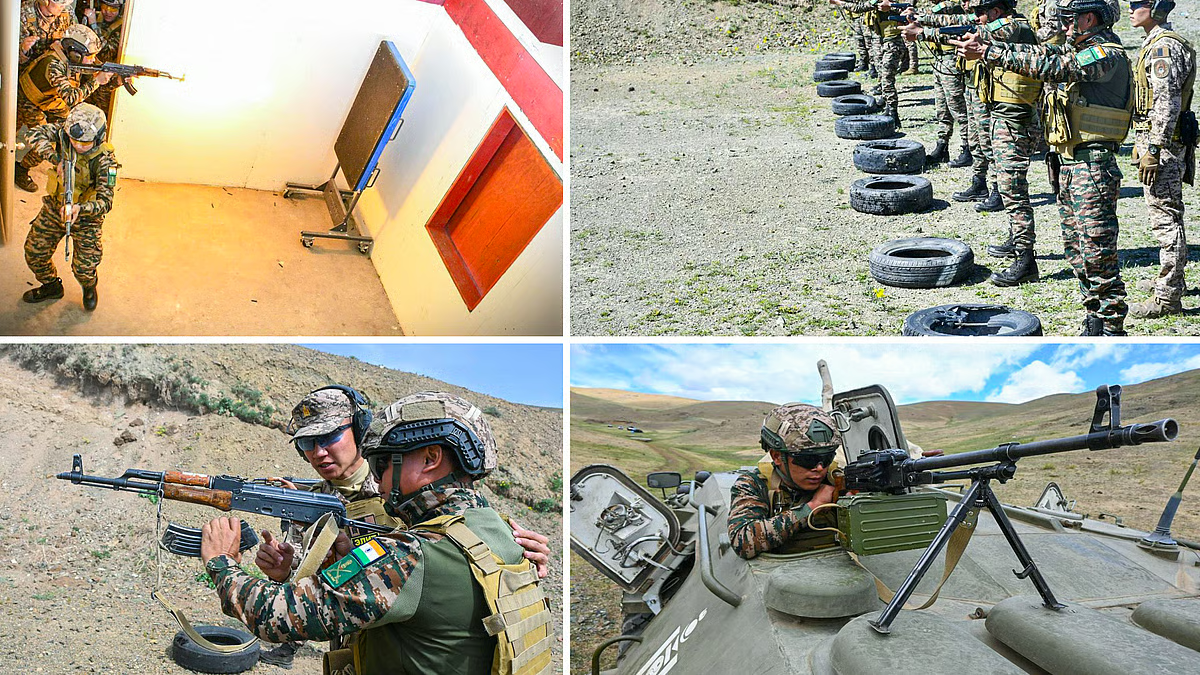
A major focus of Nomadic Elephant 2026 is training for counter-insurgency operations in semi-urban and mountainous areas.
The training is being conducted under a United Nations mandate, giving participants experience in operational situations that can arise during international peace-support and security missions.
Counter-insurgency operations require soldiers to work carefully in areas where armed groups may operate among civilian populations. Such missions require coordination, controlled movement, intelligence sharing and the ability to respond quickly to changing situations.
The mountainous terrain around Pithoragarh also provides a suitable environment for training in difficult geographical conditions.
Cordon and Search Operations
One of the training areas in Nomadic Elephant is the Cordon and Search Operation.
In this type of operation, security forces surround or isolate a specific area before carrying out a systematic search. The objective can include locating suspected individuals, recovering weapons or gathering information while maintaining control over the area.
Joint training in such operations allows soldiers from both countries to understand different methods and develop common procedures for working together.
Room Intervention Drills
The exercise also includes room intervention drills, which focus on operations inside buildings and confined spaces.
These drills require soldiers to move carefully through rooms and structures while responding to potential threats. Such training helps improve communication, coordination and decision-making in situations where troops have limited visibility and movement space.
Practising these activities together can help personnel understand how their counterparts operate during close-quarters situations.
Special Heliborne Operations
Another part of Nomadic Elephant 2026 is Special Heliborne Operations.
Heliborne operations involve the use of helicopters to move troops quickly from one location to another. They can be useful when difficult terrain, distance or operational conditions make conventional movement challenging.
For soldiers operating in mountainous regions, helicopter-based movement can provide greater flexibility. Joint exercises allow troops to practise coordination between ground personnel and air support elements.
Drone and Counter-Drone Training
Modern military operations increasingly involve unmanned aerial systems. For this reason, drone employment and counter-drone systems are also included in the 2026 exercise.
Drones can be used for surveillance, reconnaissance and other operational purposes. At the same time, hostile or unauthorised drones can create security risks.
Counter-drone systems are designed to detect, track and neutralise unmanned aerial threats. Training in this area gives participating soldiers an opportunity to understand the changing nature of battlefield technology.
Cyber Security Training
Cyber security is another important part of the exercise. Modern military organisations depend heavily on communication networks, digital systems and information technology.
Cyber security training helps personnel understand potential digital threats and the importance of protecting military information and communication systems.
The inclusion of cyber security in Nomadic Elephant 2026 shows how military exercises are expanding beyond traditional field operations to include technology-related security challenges.
India-Mongolia Defence Cooperation
India and Mongolia have maintained defence cooperation through military training, professional exchanges and joint exercises. Nomadic Elephant is an important part of this relationship.
Joint military exercises allow personnel to share operational practices and understand the methods used by another country’s armed forces. They also provide an opportunity to develop greater interoperability, which means the ability of different military units to work effectively together.
Regular training can be particularly useful when countries may need to coordinate during international peacekeeping or other security-related missions.
Importance of Mountain Training
Pithoragarh provides a mountainous setting for the exercise. Training in mountainous terrain can be physically demanding and requires soldiers to adapt their movement, communication and operational planning to difficult geographical conditions.
The location also gives participating troops an opportunity to practise operations in an environment different from their regular training areas.
The combination of mountainous and semi-urban training scenarios makes the exercise relevant to a range of operational situations.
Building Operational Interoperability
A key purpose of Nomadic Elephant is to improve interoperability between Indian and Mongolian troops. This involves developing a common understanding of procedures, communication methods and tactical activities.
During joint exercises, soldiers can learn from each other through demonstrations, field drills and coordinated activities. These interactions can strengthen professional ties while improving the ability of the two forces to work together when required.
The 2026 edition brings this cooperation into a modern training environment by combining conventional field exercises with cyber security, drone operations and counter-drone training.