

Operation Economic Outcast Targets Iran

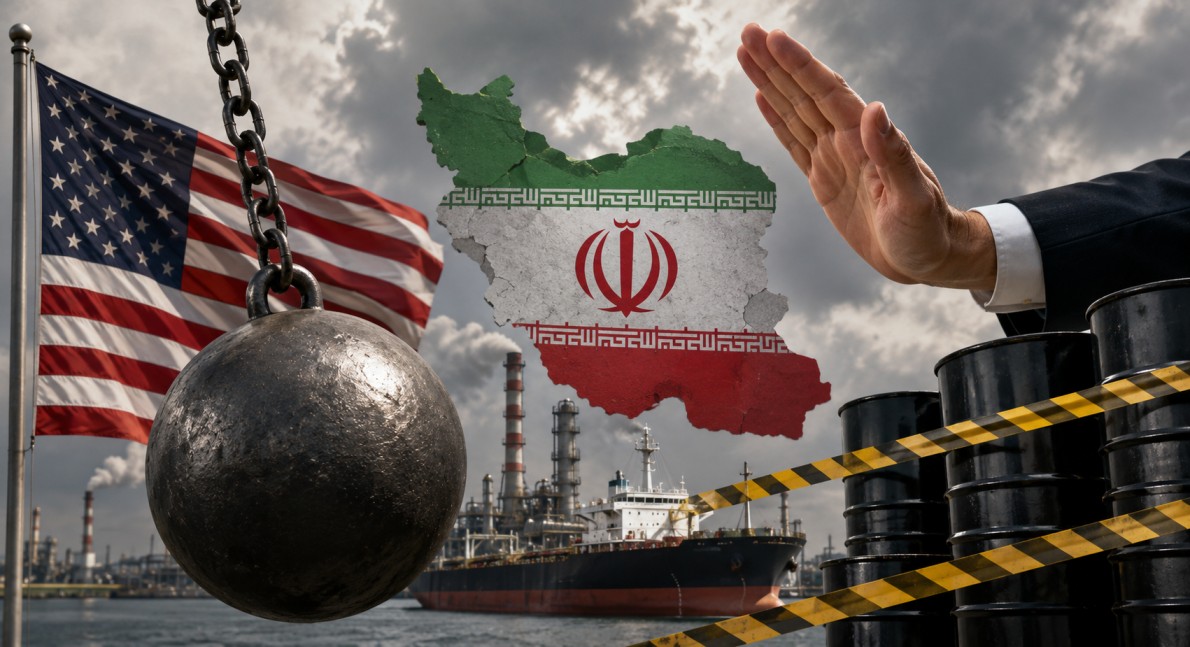
Operation Economic Outcast is a new US economic pressure campaign against Iran that was announced on August 24, 2026. The campaign expands US sanctions across several important parts of the Iranian economy and targets individuals, companies and vessels linked to activities such as oil sales, cyber operations and procurement networks. The move reflects the continuing tension between Washington and Tehran and adds a new chapter to the long-running sanctions policy between the two countries.
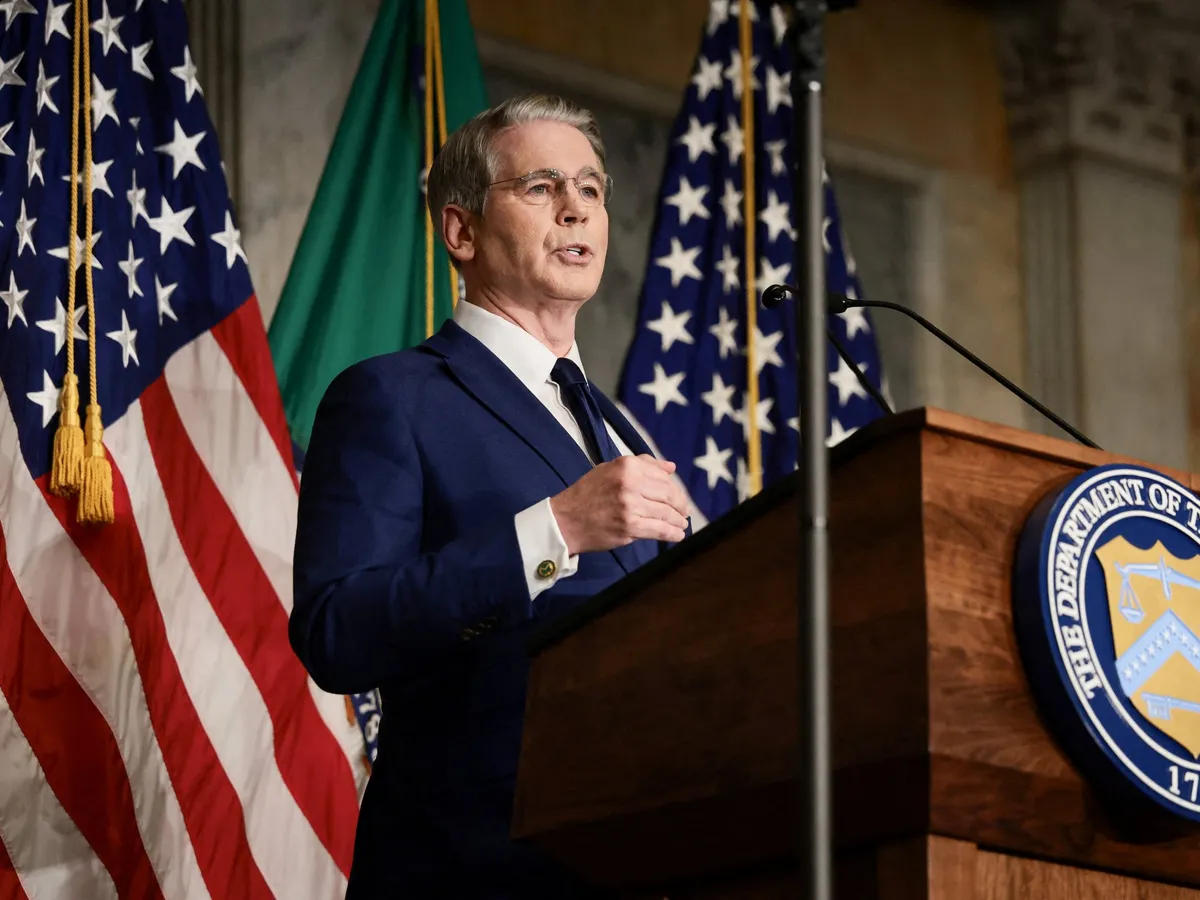
Thank you for reading this post, don't forget to subscribe!The operation is being led through the US Department of the Treasury under Treasury Secretary Scott Bessent. According to the announced measures, around 60 individuals, entities and vessels have been targeted. The restrictions cover five important areas, including digital assets and cryptocurrency, weapons-related technology, gold, airlines and shipping.
What Is Operation Economic Outcast?
Operation Economic Outcast is designed to increase economic and diplomatic pressure on Iran by expanding restrictions on sectors that are important to its trade and financial networks. The United States has used sanctions against Iran for many years, mainly in connection with issues related to its nuclear programme, missile activities, oil trade and international financial networks.
The latest campaign takes a broader approach by focusing not only on traditional sectors such as oil and shipping but also on newer areas like cryptocurrency and digital assets. This shows how economic sanctions are changing as global trade and financial technology continue to develop.
The US government believes that some alternative financial systems and digital assets can be used to move money across borders without relying fully on traditional banks. For this reason, digital transactions and cryptocurrency networks have become an important part of modern sanctions monitoring.
New Restrictions Across Multiple Sectors
The new measures under Operation Economic Outcast focus on several sectors connected with Iran’s international trade and economic activities. Iran’s oil exports remain one of the biggest areas of attention because oil is an important source of income for the country.
China continues to play a major role in Iran’s oil trade and has been identified as one of the largest buyers of Iranian crude. Estimates have suggested that China accounts for a large share of Iran’s oil exports. This makes energy trade an important part of the wider relationship between Iran, China and the United States.
The campaign also focuses on shipping networks. Ships and transport companies are important for moving oil and other goods across international markets. Airlines, gold trading and procurement networks have also come under greater attention as authorities examine different ways through which sanctioned goods and money can move between countries.
Understanding Secondary Sanctions
One of the major concerns for international companies is the possibility of secondary sanctions. These measures can affect businesses, banks or individuals outside the United States if they continue certain types of business with sanctioned Iranian entities.
For example, a foreign company may not be based in the US, but it could still face restrictions if its business activities involve the US financial system or violate American sanctions rules. In some cases, companies can lose access to US banking networks or face other financial penalties.
The importance of the US dollar in international trade makes these restrictions especially significant. A large number of global transactions involve dollar payments or banks connected to the American financial system. This gives US sanctions considerable influence beyond its own borders.
The US government has also used the concept of “cure periods” or wind-down periods in sanctions policy. These periods can give companies limited time to end business relationships or transactions that may become prohibited under new restrictions.
Iran’s Energy Trade Remains Under Pressure
Iran’s energy sector has been a major target of US sanctions for many years. Oil exports are especially important because they provide valuable revenue for the Iranian economy. Restricting oil sales and the shipping networks connected to them has been one of the main strategies used by Washington.
However, international energy markets are complex. Countries continue to look for stable energy supplies, while companies must balance commercial interests with international laws and sanctions rules. The situation is also important for global oil markets, especially at a time when energy security and supply routes remain major international concerns.
The new campaign comes as global politics continues to focus on trade security, digital finance, energy supplies and geopolitical tensions. The expansion of sanctions into cryptocurrency, shipping and other sectors shows how economic pressure is increasingly connected with technology and international trade networks.
Role of the US Treasury Department
The US Department of the Treasury plays a major role in implementing financial sanctions. It can identify individuals, companies and networks that are subject to restrictions and can take action against financial transactions connected with them.
Treasury Secretary Scott Bessent is leading the latest campaign as part of the broader US approach towards Iran. The August 2026 measures added new targets and increased pressure on several Iranian-linked networks.
At the same time, reports indicated that the new measures did not immediately place major Chinese banks under direct restrictions. This is an important detail because any major action involving large international banks could have wider effects on global trade and financial markets.
Operation Economic Outcast is therefore being closely watched as the latest development in US-Iran relations. Its impact may depend on how international companies, trading partners and financial institutions respond to the new restrictions in the coming months.