Pax Silica Initiative India: A New Chapter in Global Technology and Strategic Cooperation

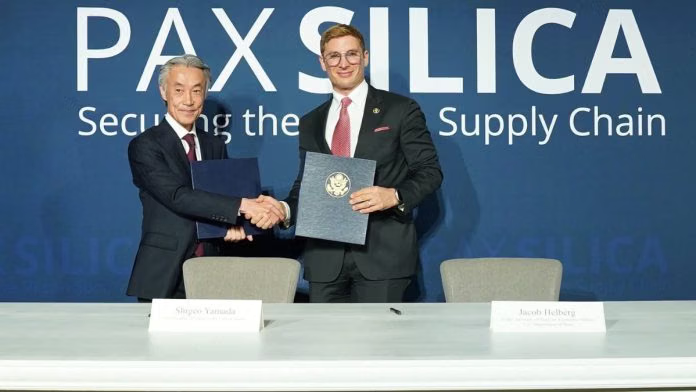
Pax Silica Initiative India is set to become a defining phrase in global technology discussions as India prepares to join the United States–led multilateral initiative as early as next month. The development, indicated by the US Ambassador during his recent visit to New Delhi, signals a major step forward in India–US relations and reflects India’s growing importance in the global technology, supply chain, and artificial intelligence landscape. India’s expected entry highlights not only trust between partners but also a shared vision for shaping the future of advanced technologies in a rapidly changing world.
Thank you for reading this post, don't forget to subscribe!Growing Momentum Behind Pax Silica
The Pax Silica Initiative India story comes at a time when technology has become central to economic strength, national security, and global influence. Governments across the world are rethinking how critical technologies are produced, protected, and shared. Pax Silica was launched by the United States Department of State to respond to these challenges through cooperation rather than isolation.
At its core, Pax Silica aims to build a secure, trusted, and resilient global technology ecosystem. Instead of focusing on a single sector, the initiative spans the entire technology value chain. This includes energy security, access to critical minerals, semiconductor manufacturing, advanced computing systems, and the development of artificial intelligence models. By covering such a wide range, Pax Silica recognizes that modern technologies are deeply interconnected and cannot be managed in silos.
What Pax Silica Seeks to Achieve
A central objective of Pax Silica is to reduce what it calls “coercive dependencies” in global supply chains. In simple terms, this means avoiding excessive dependence on any one country for essential technologies, materials, or components. Recent global disruptions have shown how vulnerable supply chains can be when production or resources are concentrated in limited locations.
Through cooperation among trusted partners, Pax Silica seeks to create alternative pathways for sourcing and manufacturing. This approach is designed to lower the risk of economic pressure, political leverage, or sudden shortages that can disrupt industries and national economies. For countries involved, it also means greater confidence that their technological growth will not be held back by external shocks.
Another important aim is the protection of advanced technologies. As artificial intelligence, semiconductors, and digital infrastructure become more powerful, they also become more sensitive. Pax Silica focuses on ensuring that such technologies are not stolen, misused, or exploited in ways that could undermine security or stability. At the same time, the initiative encourages innovation by helping partners unlock the economic benefits of next-generation digital systems.
Global Participation and Trusted Partnerships
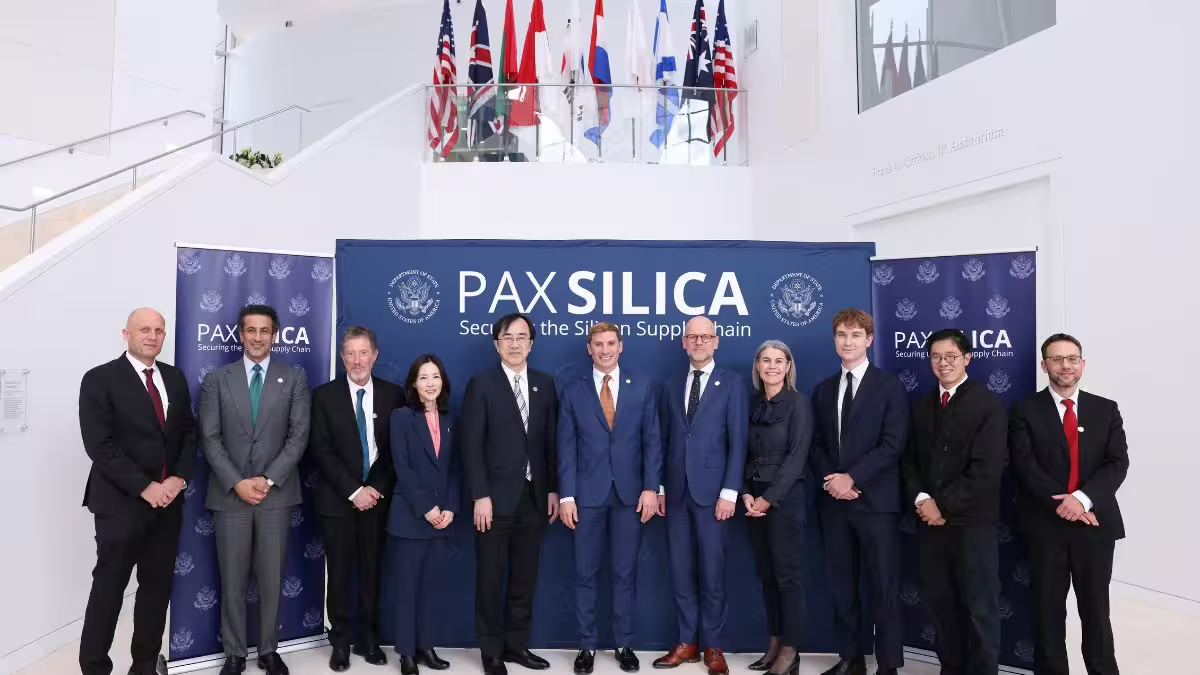
The Pax Silica Initiative India narrative places India alongside some of the world’s most advanced technology and innovation hubs. The inaugural summit brought together countries such as Japan, South Korea, Singapore, the Netherlands, the United Kingdom, Israel, the United Arab Emirates, and Australia. These nations play key roles in areas ranging from chip manufacturing and software development to research and innovation.
Beyond these core participants, other major stakeholders such as Taiwan, the European Union, Canada, and the OECD grouping have also been involved. This broad participation reflects a shared understanding that technology governance and supply chain resilience require collective action. India’s inclusion would strengthen this network by adding a large, fast-growing economy with strong capabilities in software, digital platforms, and emerging manufacturing.
Why Pax Silica Matters for India
The importance of Pax Silica Initiative India lies in how closely it aligns with India’s own development goals. India has been actively working to expand domestic semiconductor manufacturing, promote digital public infrastructure, and secure reliable access to critical minerals. These efforts are part of a broader strategy to reduce dependence on imports and move up the global technology value chain.
Membership in Pax Silica would support these ambitions by connecting India with trusted partners across the world. It would help diversify supply chains, attract investment, and encourage technology transfers in areas that are vital for long-term growth. For example, cooperation on semiconductor ecosystems could accelerate India’s plans to become a manufacturing and design hub, while partnerships on critical minerals could improve supply security for clean energy and electronics.
India’s strong digital foundation also makes it a valuable partner in discussions on artificial intelligence. With large-scale digital platforms, a growing startup ecosystem, and a vast pool of skilled talent, India is well placed to contribute to shaping global AI standards. Through Pax Silica, India would have a stronger voice in setting norms around safe, reliable, and responsible AI development.
Strategic and Economic Implications
Beyond technology, Pax Silica Initiative India carries wider strategic implications. As global competition intensifies in advanced technologies, alliances based on trust and shared values are becoming more important. India’s likely entry into Pax Silica reflects its position as a key partner for major economies seeking stability and balance in the global system.
Closer cooperation with the United States and other members could also strengthen India’s role in regional and global decision-making. It sends a clear signal that India is not just a large market but an active contributor to shaping the rules of the digital and technology-driven economy. This could enhance India’s attractiveness as a destination for high-quality investment and long-term partnerships.
Looking Ahead
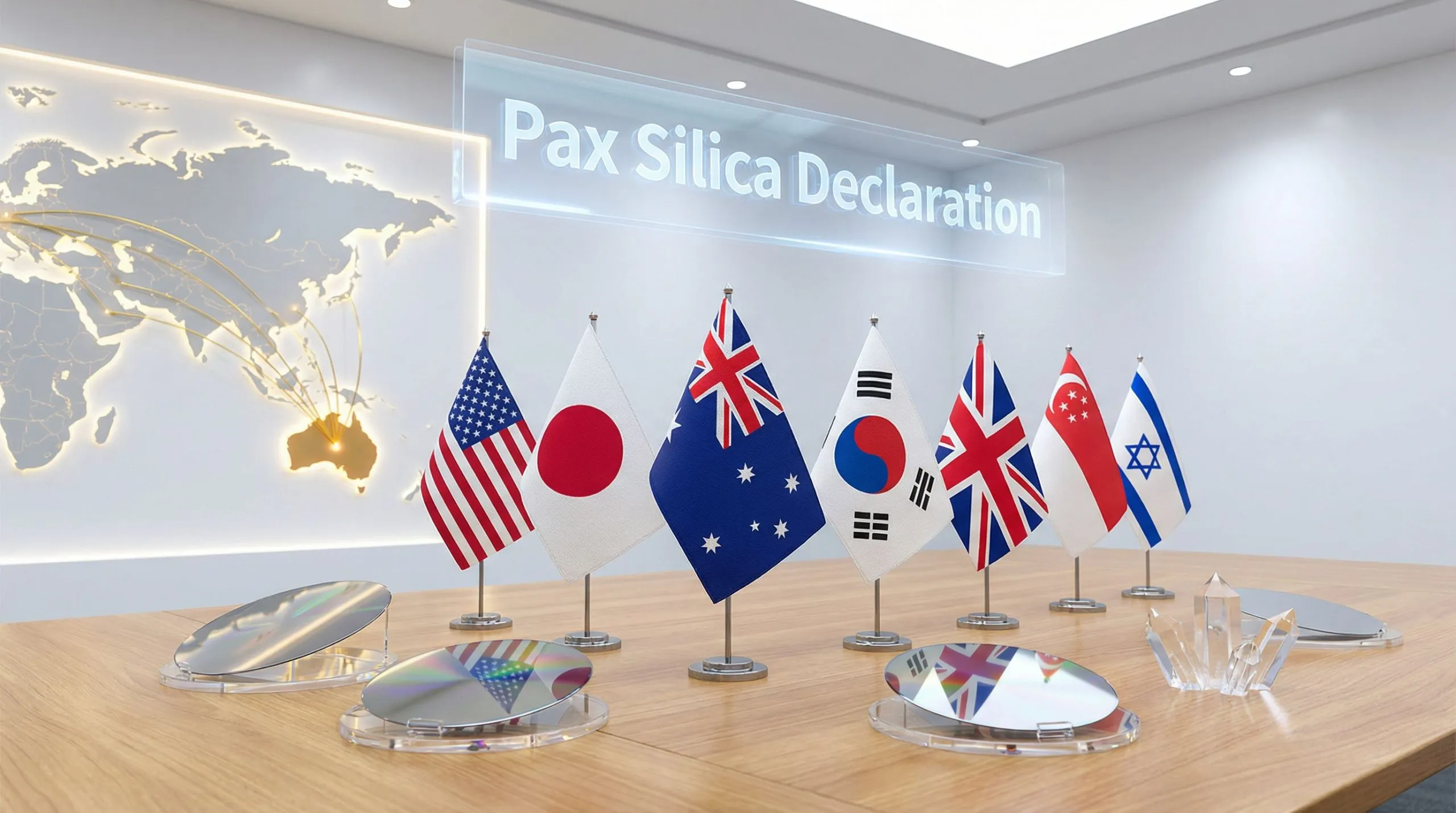
As India moves closer to full membership, Pax Silica Initiative India is expected to gain increasing attention from policymakers, businesses, and technology experts. The initiative represents a shift toward collaborative approaches in managing complex global challenges related to technology, security, and economic growth.
For India, joining Pax Silica is more than a diplomatic milestone. It is an opportunity to deepen its integration into trusted global networks, strengthen domestic capabilities, and play a meaningful role in defining how future technologies are built and governed. In an era where technology shapes almost every aspect of life, Pax Silica offers India a platform to help shape a more secure, resilient, and inclusive global technology ecosystem.