



Plastic Waste Parkinson Drug Breakthrough Turns Trash into Treatment

In a groundbreaking scientific development, researchers have found a new way to turn plastic waste into a useful medicine for treating Parkinson’s disease. This innovation shows how science can solve both environmental and health problems at the same time.
Thank you for reading this post, don't forget to subscribe!Plastic Waste Parkinson Drug: How Plastic is Converted into Medicine
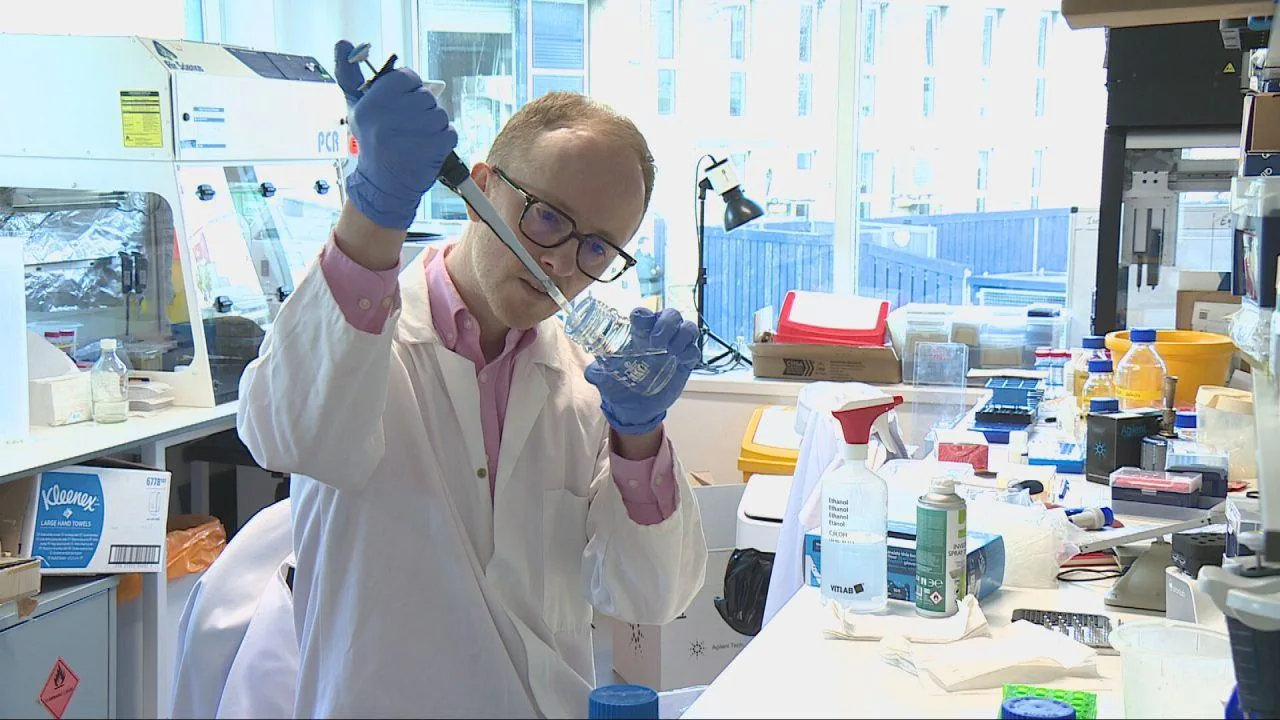
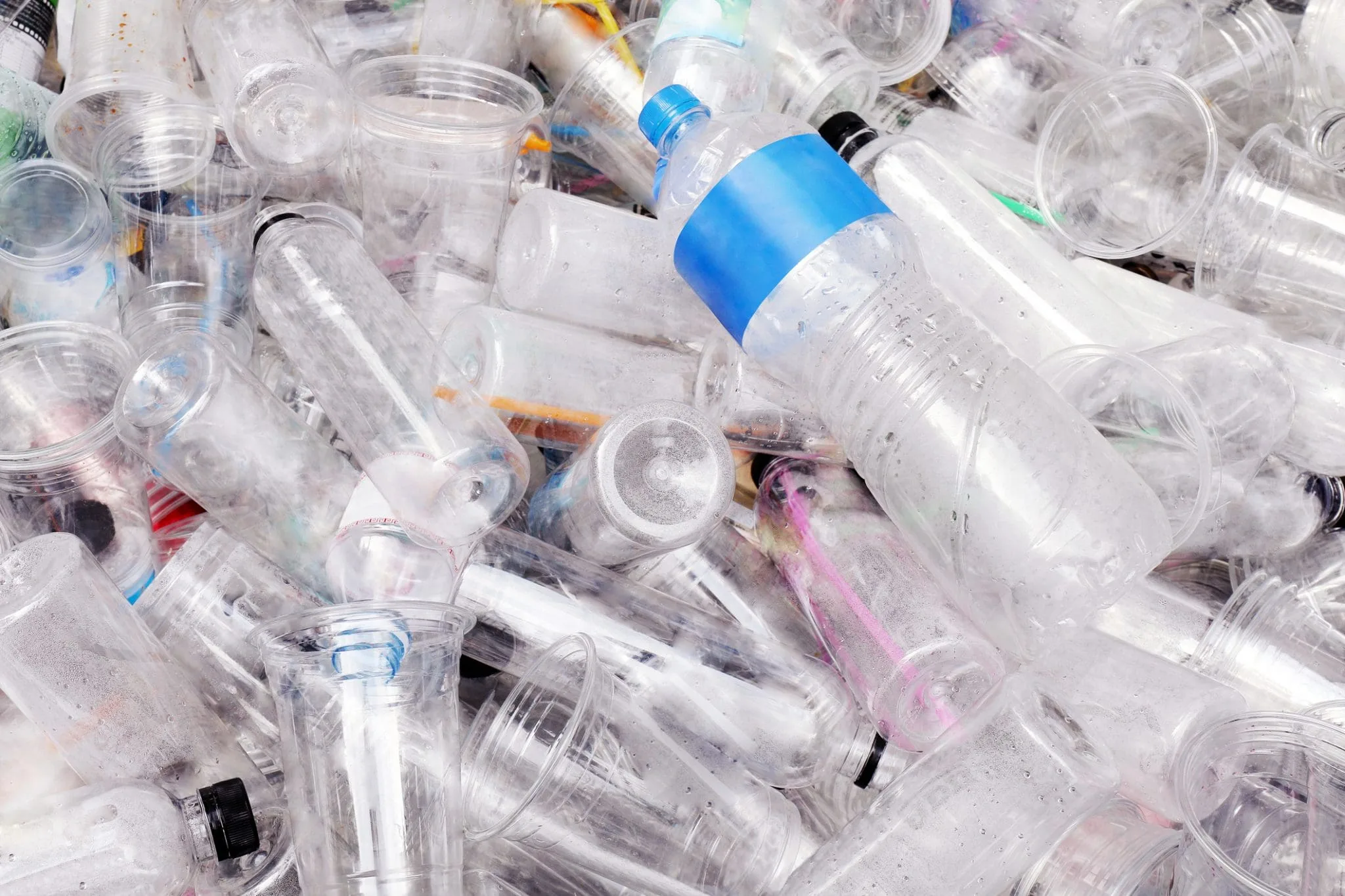
Scientists at the University of Edinburgh used specially engineered bacteria called “E. coli” to break down PET plastic, which is commonly used in bottles and packaging. These bacteria use the carbon present in plastic to produce levodopa, an important drug.
This process shows that waste plastic can be reused as a raw material to create valuable medicines. It is a smart and eco-friendly solution that reduces plastic pollution.
Plastic Waste Parkinson Drug: Importance for Parkinson’s Treatment
Levodopa is the most effective medicine used to treat Parkinson’s disease. This condition affects more than 10 million people worldwide and causes symptoms like shaking, stiffness, and difficulty in movement.
As the global population ages, the need for levodopa is increasing. This new method can help produce the drug in a more sustainable and affordable way.
Environmental and Economic Benefits
Traditional methods of making levodopa depend on fossil fuels and require a lot of energy. This new technique reduces carbon emissions and supports a circular economy by reusing plastic waste.
Earlier studies by the same team also showed that PET plastic could be converted into paracetamol. This proves that plastic waste can be used to create many useful products.
Challenges in Large-Scale Use
Although this discovery is promising, it is still in the early stages. Large-scale production will need proper investment, government approval, and better systems to collect plastic waste.
Scientists, industries, and policymakers will need to work together to make this technology practical and widely available.