


Dams and Destruction: Benefits vs Risks

Dams and Destruction is an important topic that highlights both the benefits and harmful effects of dams on the environment, society, and economy. A dam is a large structure built across a river or stream to store water. Since ancient times, humans have constructed dams using materials like mud, stones, and wood. In modern times, dams are mostly built using concrete and advanced engineering techniques.
Thank you for reading this post, don't forget to subscribe!What is a Dam?
A dam is a barrier constructed across a river to control the flow of water. It creates a reservoir (artificial lake) where water is stored for different uses such as irrigation, electricity generation, and drinking water supply.
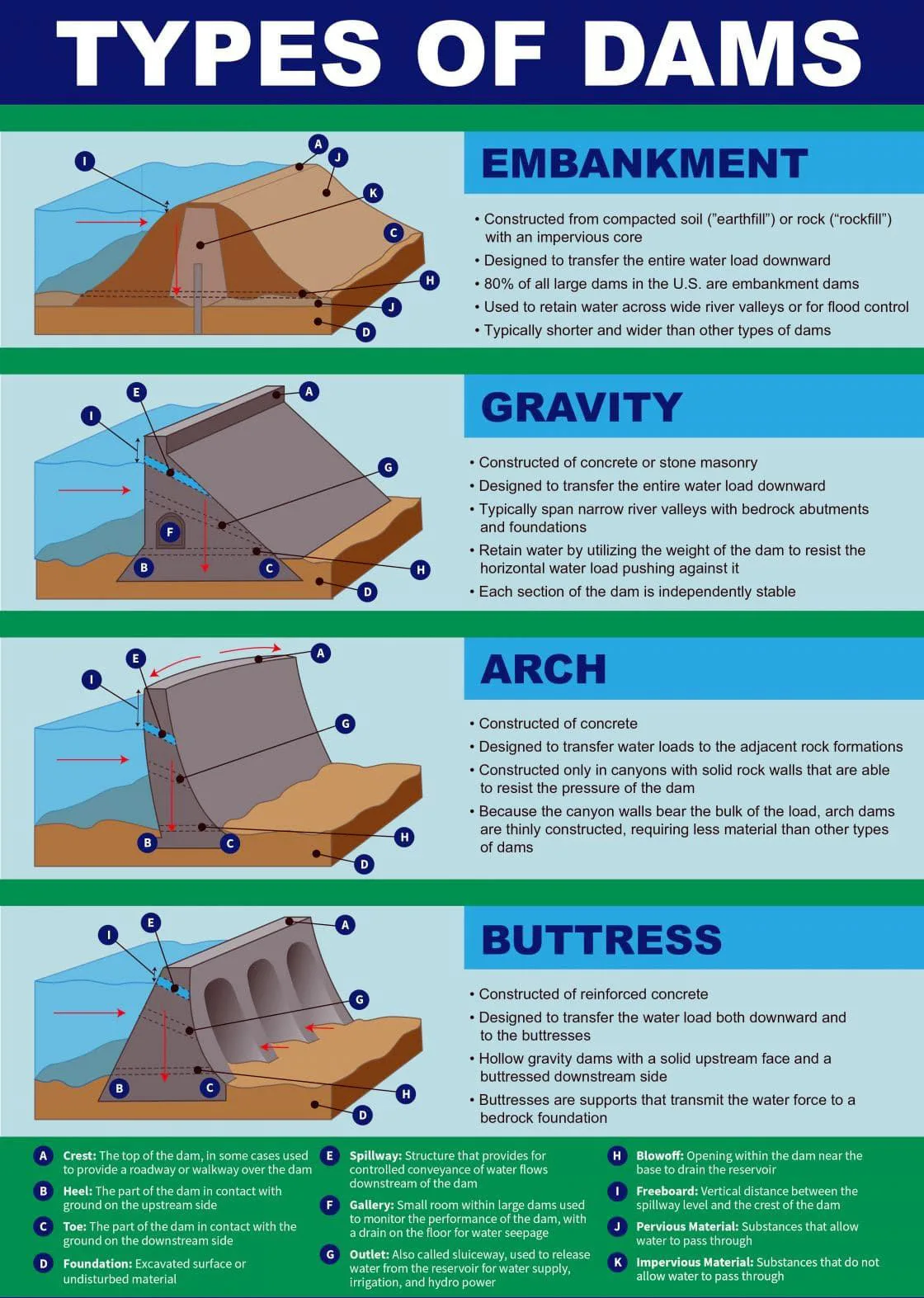
Types of Dams
- Earthen dams (made of soil and rocks)
- Gravity dams (use their weight to hold water)
- Arch dams (curved shape for strength)
- Concrete dams (modern and strong structures)
Dams in India
India is one of the leading countries in dam construction. It has a large number of dams used for agriculture, power, and water supply.
- India has around 4,400+ large dams
- It ranks third in the world after China and the United States
- Tehri Dam (Uttarakhand) is the highest dam in India
- Hirakud Dam (Odisha) is the longest dam
- Kallanai Dam (Tamil Nadu) is the oldest dam, built about 2000 years ago
These dams have contributed greatly to India’s development, especially in agriculture and electricity production.
Importance of Dams
1. Source of Clean Energy
Dams help in producing hydroelectric power. This type of energy does not use fossil fuels and is considered cleaner than coal or oil-based energy. Many countries depend on dams to reduce pollution and energy costs.
2. Irrigation Support
Dams store water and supply it to farmers through canals. This is very useful in areas where rainfall is low. It helps farmers grow crops throughout the year.
3. Flood Control
Dams can control floods by storing excess water during heavy rainfall. This prevents damage to crops, homes, and infrastructure downstream.
4. Drinking Water Supply
Water stored in dams is fresh and can be treated for drinking purposes. Many cities depend on dam water for daily needs.
5. Industrial Use
Industries also use dam water for production processes, cooling, and cleaning.
Dams and Destruction
Although dams provide many benefits, the concept of Dams and Destruction shows how these large structures can seriously harm nature, wildlife, and even human life. While they support development, they are also one of the biggest threats to river ecosystems and environmental balance.
Impact on Aquatic Life
Dams create barriers across rivers, which disturb the natural movement of fish and other aquatic organisms.
- Fish cannot migrate upstream to lay eggs
- Natural breeding cycles are disturbed
- Food sources become limited
- Many fish species face extinction
Dams prevent fish from reaching spawning areas, searching for food, and escaping predators. Aquatic organisms depend on the natural flow of rivers to guide them. However, reservoirs created by dams have still water, which confuses migrating fish and increases the time they take to travel. This negatively affects their survival and reproduction.
Blocking of Rivers
Dams significantly change the natural flow and structure of rivers.
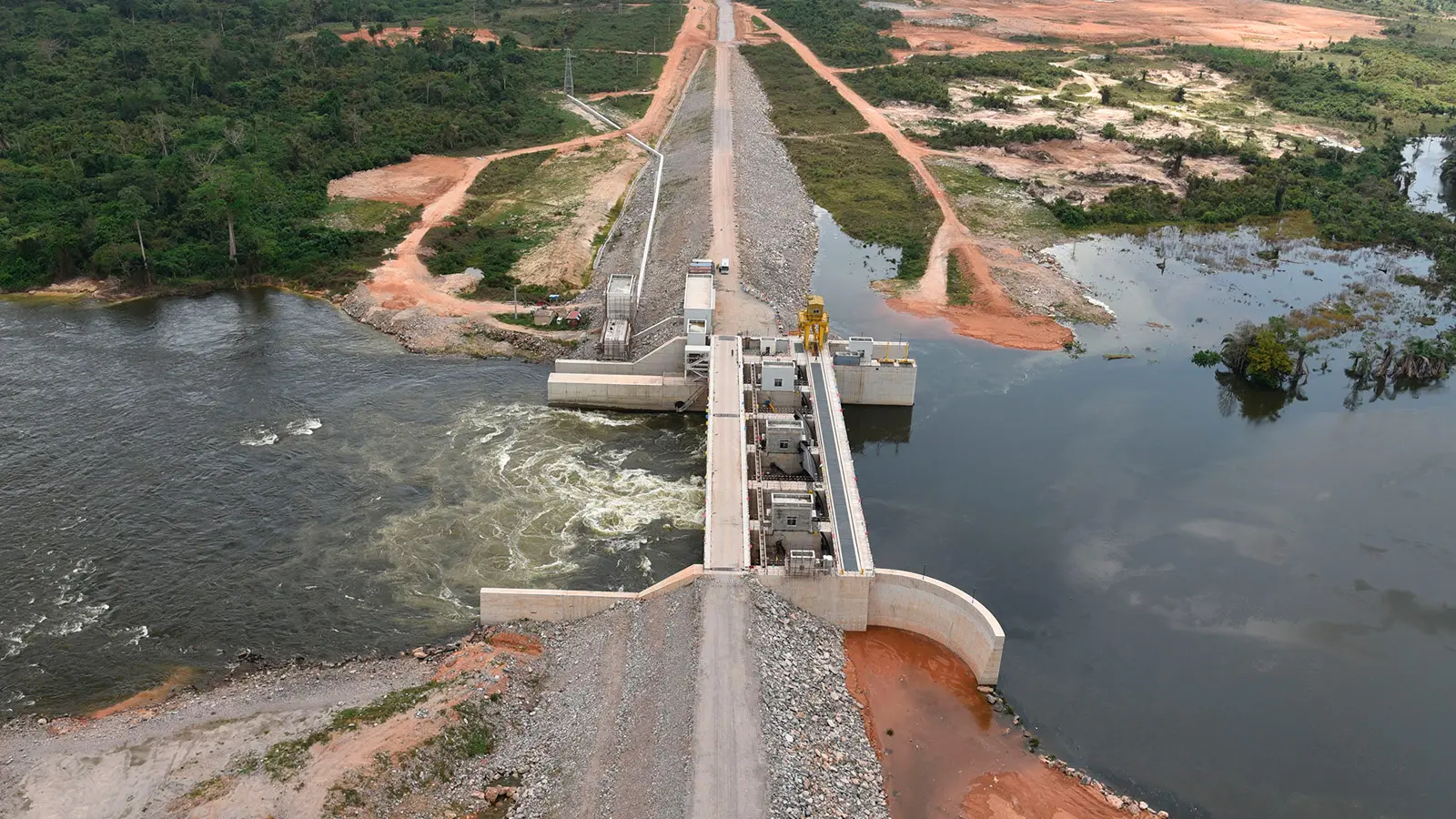
- Rivers are divided into separate parts
- Sediments get trapped behind dams
- Riverbeds downstream lose nutrients
Dams and reservoirs act as physical barriers, breaking the natural continuity of rivers and affecting seasonal water flow. They trap sediments that are important for maintaining riverbeds. These sediments bury rocky areas where fish usually lay eggs.
Materials like gravel, logs, and organic matter also get stuck behind dams. These materials are essential for creating habitats downstream. As a result, the river ecosystem becomes weaker and less diverse.
Environmental Damage
Dams cause large-scale environmental destruction.
- Large forest areas get submerged
- Trees are cut down during construction
- Wildlife loses natural habitats
When reservoirs are formed, entire ecosystems are destroyed. Plants and animals living in those areas are either killed or forced to migrate. This leads to a loss of biodiversity and ecological imbalance.
Hazardous Infrastructure
Large dams are considered “high hazard” structures.
- Dam failure can cause massive floods
- Loss of human lives and property
- Destruction of villages and cities
Even if dams are structurally strong, the risk of failure always exists. If a dam collapses, the damage can be huge and immediate.
In places like Uttarakhand, hydroelectric power projects have increased disaster risks. Experts believe that recent flash floods were worsened by infrastructure development such as dams and tunnels.
Hydroelectric projects involve heavy blasting, deforestation, and drilling, which weaken the land. These activities acted as a “force multiplier,” increasing the level of destruction.
Such constructions were also against the recommendations of the Chopra Committee, which warned that building dams in glacial regions could lead to major disasters due to melting glaciers.
Role in Natural Disasters
Dams can sometimes increase the impact of natural disasters.
- Heavy rainfall combined with dam pressure can cause floods
- Melting glaciers due to global warming add extra water
- Construction activities weaken mountain structures
In hilly and sensitive regions, dams make the environment more fragile. When natural disasters occur, the damage becomes much worse.
Reservoir-Induced Seismicity
One serious issue linked to dams is earthquakes caused by reservoirs, known as Reservoir-Induced Seismicity (RIS).
- Large volumes of stored water put pressure on the earth
- Filling and emptying reservoirs affect underground stability
The Koyna and Warna regions in Maharashtra are well-known examples. These areas have experienced several earthquakes after dam construction. This shows a strong link between dams and seismic activity.
Displacement of People
One of the most serious social impacts of dams is the displacement of people.
- Villages and farmland get submerged
- People lose homes, land, and livelihoods
- Many families are not properly rehabilitated
Large dam projects like Hirakud, Bhakra Nangal, and Tehri have displaced thousands of families. Many of these people did not receive proper compensation or rehabilitation.
Even after relocation, people often face poor living conditions, unemployment, and lack of basic facilities.
The Sardar Sarovar Dam on the Narmada River alone displaced more than 3 lakh families, showing the massive human cost of such projects.
Ageing Dams: A Growing Risk
Old dams are becoming a serious concern worldwide.
- Over 1,100 dams globally will be 50 years old by 2025
- India has more than 4,400 large dams
- Over 1,000 dams in India will soon cross 50 years
- Around 200 dams in India are already over 100 years old
Older dams are more dangerous because:
- Their structure weakens over time
- Maintenance costs increase
- Efficiency decreases due to sediment buildup
Many old dams were built using outdated technology and safety standards, making them more vulnerable to failure.
Greenhouse Gas Emissions
Dams are often called clean energy sources, but they also contribute to climate change.
- Reservoirs create stagnant water bodies
- Submerged plants and trees decompose underwater
- This releases carbon dioxide and methane
Methane is a very powerful greenhouse gas. Studies show that emissions from reservoirs contribute to more than 4% of human-caused climate change, which is similar to the aviation sector.
In some cases, hydropower projects may produce even more emissions than coal-based power plants generating the same amount of electricity.
The Chopra Committee
The Chopra Committee was formed to study the impact of dams and hydroelectric projects in sensitive areas.
Key Recommendations:
- Avoid construction of dams in glacial regions
- Stop projects in high-risk mountain zones
- Protect fragile ecosystems
The committee warned that building dams in such areas can lead to major disasters.
World Commission on Dams (WCD)
The World Commission on Dams (WCD) is a global multi-stakeholder body established by the World Bank and the International Union for Conservation of Nature (IUCN) in 1998. Its main aim was to study the effectiveness, performance, and overall impact of large dams across the world.
The WCD released its landmark report in November 2000, which highlighted the enormous financial, environmental, and human costs associated with large dams. While the report accepted that dams have provided some economic and developmental benefits, it strongly pointed out their negative consequences.
Key Findings:
- Dams displaced an estimated 40–80 million people worldwide during the 20th century
- Many affected people lost their homes, lands, and livelihoods
- A large number of displaced families did not receive proper compensation or rehabilitation
- Environmental damage caused by dams was widespread and often irreversible
The commission emphasized the need for better planning, exploring alternatives, protecting ecosystems, and ensuring fair treatment and rights of affected communities.
Case Study: Mullaperiyar Dam
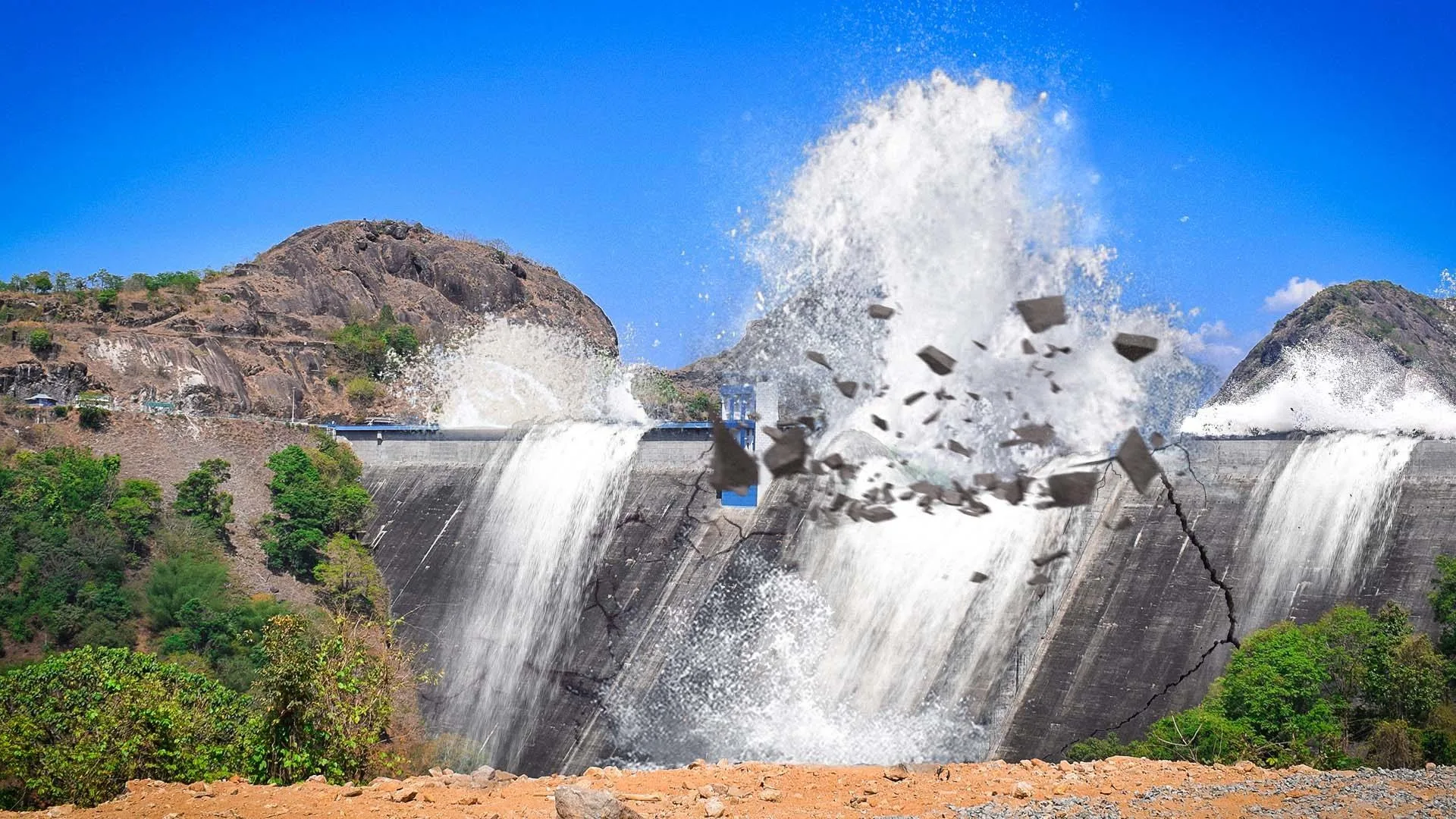
The Mullaperiyar Dam in Kerala is a major example of the concerns associated with ageing dams and inter-state conflicts.
About the Dam:
- It is a gravity dam, which means it is designed to resist the pressure of water by its own weight and structural strength
- The width and weight of the base prevent it from overturning due to water pressure
- The dam is over 126 years old and has far exceeded its expected lifespan of around 50 years
- It was built during the British colonial period
- It is located in the Western Ghats, near the Periyar Wildlife Sanctuary
Safety Concerns:
The Mullaperiyar Dam is considered highly hazardous due to:
- Its old age and structural weakening over time
- Its location in a seismic zone (Zone III), which increases earthquake risk
- The possibility of failure during extreme floods
Hydrological studies conducted by the Kerala government between 2006 and 2011 concluded that the dam is unsafe, especially in handling the probable maximum flood levels.
Additionally, experts from IIT Roorkee and IIT Delhi have also recommended that the dam should be decommissioned due to safety concerns.
Conflict Between States:
Despite safety concerns, Tamil Nadu strongly opposes the decommissioning of the dam. This is because:
- Tamil Nadu operates the dam based on a historical lease agreement signed during the British period with the princely state of Travancore (now part of Kerala)
- The agreement allows Tamil Nadu to divert around 640 million cubic metres of water every year
- This water is crucial for irrigation and power generation in Tamil Nadu
The water is transported through a tunnel built across the Western Ghats, making the dam extremely important for Tamil Nadu’s agriculture and energy needs.
Way Forward
To reduce the negative impact of dams, better planning, smarter technology, and sustainable alternatives are needed.
1. Preferring Viable Alternatives
Solar and wind energy are safer and more sustainable options compared to large hydroelectric projects. These energy sources do not damage river ecosystems or displace people.
At the same time, improving how existing dams operate and selecting more suitable locations for future projects should be part of the solution. India should also focus on modern technologies like pumped storage systems, battery storage, and hydrogen energy to balance electricity demand. As these technologies become more affordable, the need for building large dams will reduce.
2. Improve Existing Dams
Instead of building new dams, attention should be given to improving the performance of existing ones. Many dams in India are not working efficiently, and better management can increase their benefits without causing additional environmental damage.
3. Timely Inspection of Dams
Regular inspection and maintenance of dams are very important for safety. India must carry out proper cost-benefit analysis of ageing dams and conduct timely safety checks.
It is important to understand that 50 years is not a fixed lifespan for all dams. The life of a dam depends on its construction quality and maintenance. A well-built and properly maintained dam can last up to 100 years.
However, after around 50 years, many dams begin to show signs of ageing. In some cases, important parts like gates, turbines, and motors may need replacement within 30 to 50 years.
4. Protect Ecosystems
Efforts should be made to protect and restore river ecosystems. Rivers should be allowed to flow naturally as much as possible to support aquatic life, forests, and biodiversity.
5. Proper Rehabilitation
People displaced due to dam construction must be given proper housing, employment opportunities, and basic facilities. Their rights and livelihoods should be protected to ensure fair development.
6. Steps Recommended by the World Commission on Dams (WCD)
The World Commission on Dams (WCD) has suggested important steps to reduce the negative impacts of dams:
- Promoting cooperation between regions and countries sharing rivers
- Gaining public acceptance before constructing any dam
- Exploring alternatives instead of building dams everywhere
- Making better use of existing dams
- Protecting and restoring ecosystems at the river basin level
- Recognising the rights and needs of affected people
- Following all environmental and legal regulations strictly
Conclusion
Dams and Destruction is a complex issue. While dams are important for development, they also bring serious environmental and social challenges. They affect rivers, wildlife, and human lives in many ways.
It is important to find a balance between development and nature. Sustainable alternatives, proper planning, and responsible management can help reduce the harmful effects of dams. Only then can we ensure that dams benefit society without causing destruction.
FAQs on Dams and Destruction:
1. What is a dam?
A dam is a structure built across a river or stream to store water and control its flow for uses like irrigation, electricity, and drinking water.
2. Why are dams important?
Dams are important because they help in generating electricity, providing water for farming, controlling floods, and supplying drinking water.
3. How do dams generate electricity?
Dams generate electricity through hydropower. Water stored in the reservoir is released to spin turbines, which produce electricity.
4. What are the negative effects of dams?
Dams can harm the environment by blocking rivers, affecting fish movement, destroying forests, and displacing people from their homes.
5. How do dams affect aquatic life?
Dams prevent fish from migrating and disturb their natural breeding cycles, which can reduce fish populations.
6. What is reservoir-induced seismicity?
It is a condition where large dams can trigger earthquakes due to the pressure of stored water on the earth’s surface.
7. Why are old dams dangerous?
Old dams can become weak over time due to ageing and lack of maintenance, increasing the risk of failure and disasters.