Roopkund Skeleton Lake Mystery Explained

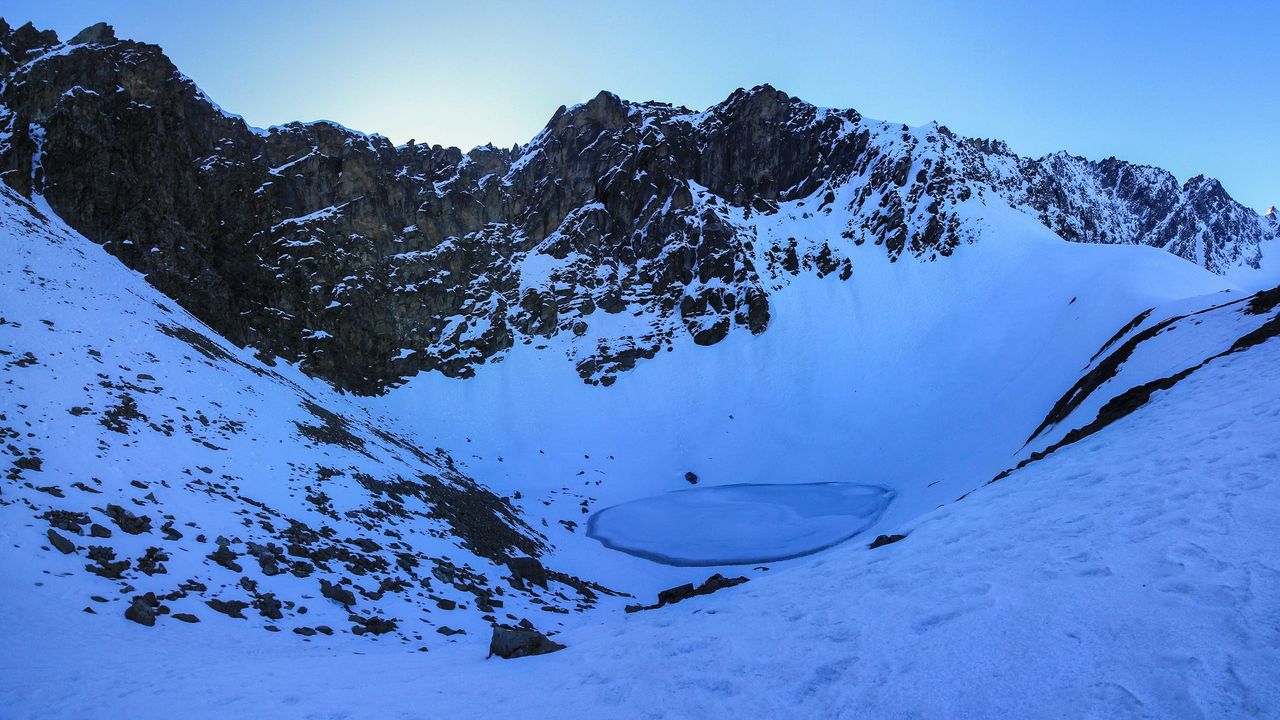
Roopkund Skeleton Lake Mystery is one of the most fascinating stories hidden in the high Himalayas of Uttarakhand. Located at a height of about 5,020 metres, Roopkund Lake is surrounded by snow-covered mountains and extreme weather. What makes this lake unique is the presence of hundreds of human skeletons found near its icy waters.
Thank you for reading this post, don't forget to subscribe!A Remote Lake in the Himalayas
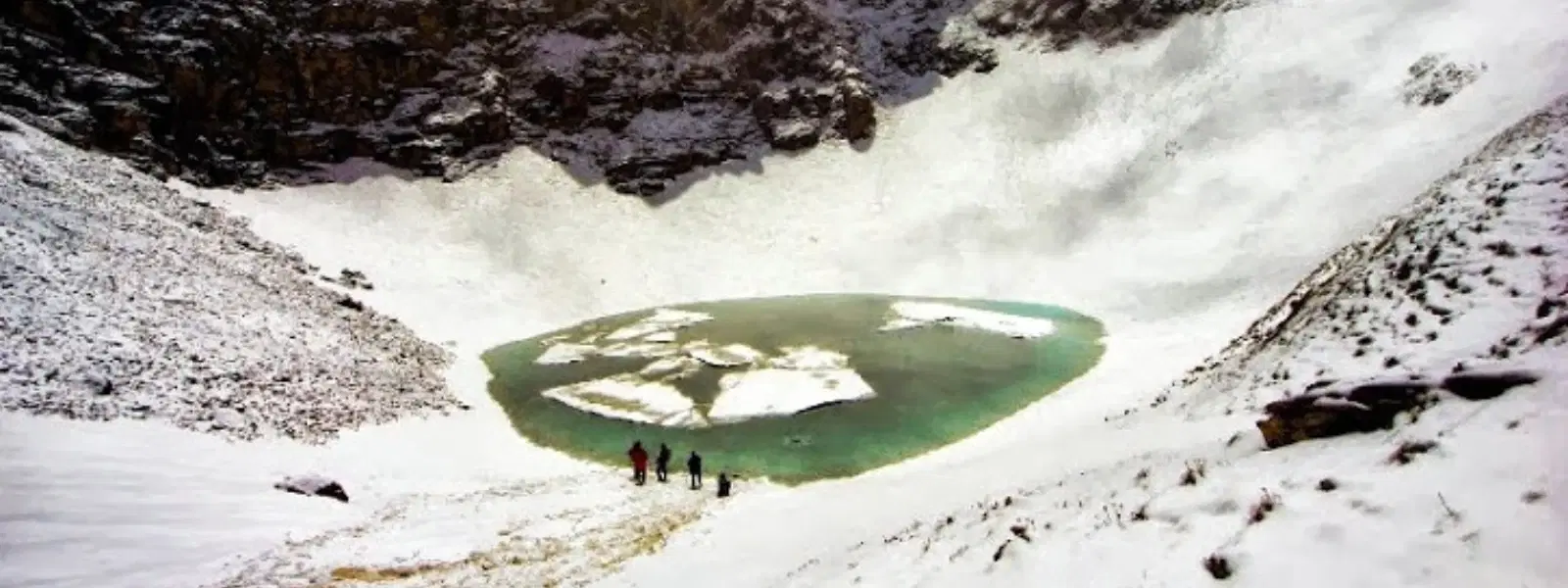
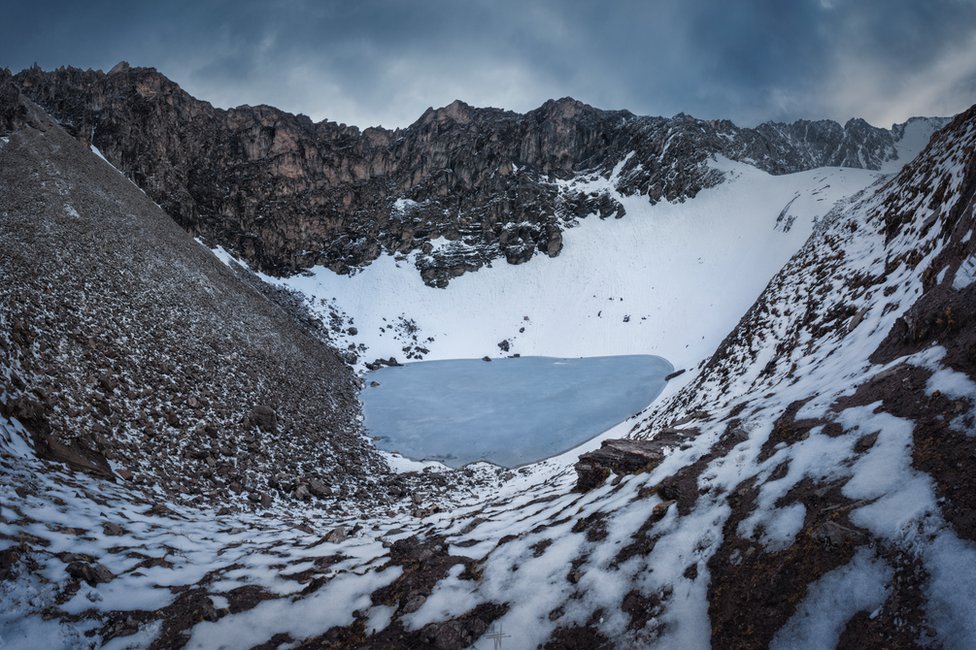
Roopkund lies between the famous Himalayan peaks Trishul and Nanda Ghunti. The lake is small, less than 40 metres wide, and remains frozen most of the year. When the ice melts in summer, bones and skulls can be clearly seen in the water, giving it the name “Skeleton Lake”.
Discovery of the Skeletons
The mystery came to light in 1942 when forest ranger Hari Kishan Madhwal discovered the remains. At first, British officials thought they might be soldiers from World War II. Later research showed that the skeletons were much older. Along with bones, items like wooden tools, leather slippers, rings and iron weapons were also found, preserved by the cold climate.
Scientific Findings Behind the Mystery
Scientists have studied the remains for many years. Early research by the Anthropological Survey of India found that many skulls had strong injuries, likely caused by heavy objects falling from above. Later studies using modern techniques like DNA analysis and radiocarbon dating revealed that over 300 people died here during different time periods, including around 800 CE.
Religious and Cultural Importance
The region is not just known for mystery but also for faith. The famous Nanda Devi Raj Jat passes through this area. Devotees travel across difficult mountain paths to honour Goddess Nanda. This journey is held once every 12 years and attracts many pilgrims.
Roopkund Skeleton Lake Mystery: A Popular Trekking Destination
Today, Roopkund is a well-known trekking spot. The route usually starts from Lohajung and goes through scenic places like Wan and Bedni Bugyal. Trekkers are drawn by both the natural beauty and the mystery of the skeletons. However, authorities now stress the need to protect this site to preserve its historical and natural value.