



Russia Gasoline Imports From India

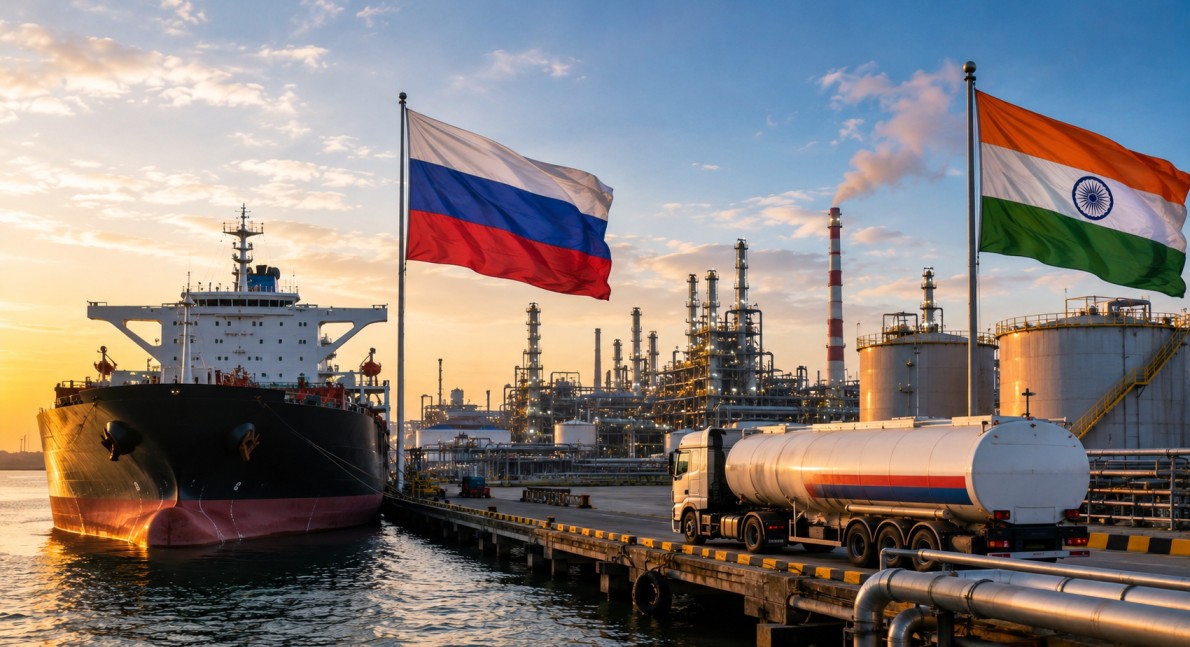
Russia Gasoline Imports from India have begun for the first time, marking an unusual shift in the global fuel trade. Russia, one of the world’s major oil-producing countries, received a shipment of gasoline from India in August 2026 as disruptions at Russian refineries created pressure on domestic fuel supplies. The shipment came after repeated attacks on Russian refining facilities affected fuel production and increased the need for supplies from outside the country.
Thank you for reading this post, don't forget to subscribe!The development is notable because Russia normally has a large domestic refining industry and is also a major exporter of petroleum products. The arrival of Indian gasoline shows how disruptions in energy infrastructure can change established trade routes and create new movements in the international fuel market.
First Indian Gasoline Shipment Reaches Russia
The first reported Indian gasoline cargo was loaded at the Vadinar refinery in Gujarat on 18 June 2026. The shipment contained around 42,000 tonnes of fuel and was later routed through the Egyptian port of Damietta before continuing towards Russia.
The Vadinar refinery is operated by Nayara Energy, which has ownership links with Russian oil giant Rosneft. The refinery is one of India’s important petroleum processing facilities and has the capacity to produce several refined petroleum products.
The movement of gasoline from India to Russia is different from the usual energy trade between the two countries. India has significantly increased its purchases of Russian crude oil in recent years, while Russia has generally remained a major producer and exporter of refined fuels.
Why Russia Needed Imported Gasoline
Russia faced pressure on its domestic fuel supply after repeated attacks on oil refineries disrupted refining activity. Several refining facilities were affected, reducing the amount of crude oil that could be processed into products such as petrol and diesel.
Russia’s crude oil processing reportedly averaged around 3.6 million barrels per day in July 2026. This was significantly lower than the level normally expected for the season.
The refining disruption came at a time when Russia was already taking measures to protect its domestic fuel market. The country maintained restrictions on gasoline and diesel exports to ensure that enough fuel remained available for domestic consumers.
Despite these measures, the disruption created a need to look for additional supplies from other markets.
India’s Growing Role in Global Fuel Trade
India has become an important player in the global refined petroleum market because of its large refining capacity. Indian refineries process both domestic and imported crude oil and supply fuels to markets in different parts of the world.
The country has also become a major buyer of Russian crude oil. According to the figures provided for June 2026, Russian crude accounted for about 48% of India’s total crude oil imports during the month.
This creates an interesting connection between the two countries. India imports large quantities of Russian crude, processes crude at its refineries and exports refined petroleum products to international markets. The latest shipment shows how these energy relationships can become more complex when supply conditions change.
Vadinar Refinery and Nayara Energy
The Vadinar refinery in Gujarat plays an important role in India’s petroleum industry. It is operated by Nayara Energy, which has links to Rosneft.
Refineries convert crude oil into usable petroleum products. These include gasoline, diesel, aviation fuel and other products used by vehicles, industries and transport systems.
The ability of Indian refineries to process large quantities of crude gives the country flexibility in international energy markets. Fuel can be directed towards different markets depending on demand, prices, shipping conditions and available supplies.
The shipment to Russia demonstrates how refined fuel can move in a direction that would normally appear unusual when a major oil producer faces a temporary shortage.
Shipping Route Through Egypt
The Indian gasoline shipment did not travel directly from Gujarat to Russia. The cargo was transferred through Damietta in Egypt before continuing towards its final destination.
Damietta is an important Egyptian port and can serve as a connection point for international maritime trade. Trans-shipment involves moving cargo between different vessels or routes as part of a wider shipping journey.
Energy shipments often use complex routes because of commercial arrangements, port availability, vessel movements and changing market conditions.
Shipping data companies such as Kpler track tanker movements and provide information about global energy flows. Such data can help analysts understand how disruptions in one market affect fuel movements in other regions.
Russia’s Domestic Fuel Situation
Russia’s refinery problems came during a period when the country was taking steps to protect its domestic fuel market. Export restrictions on gasoline and diesel were used to reduce pressure on local supplies.
Industry estimates suggested that Russia could potentially need hundreds of thousands of tonnes of gasoline imports each month if refinery disruptions continued.
The exact amount of fuel required can change depending on refinery operations, domestic consumption, government restrictions and the duration of disruptions.
Russia’s dependence on imported gasoline in this situation does not mean the country has become a long-term fuel importer. Instead, the shipment reflects a temporary supply imbalance caused by reduced refining capacity.

Changing India-Russia Energy Relations
Energy has become one of the most important areas of India-Russia economic relations. India has increased its purchases of Russian crude oil, particularly as global energy trade patterns changed following geopolitical tensions and restrictions on Russian energy exports in some markets.
At the same time, India’s refining industry has continued to supply petroleum products to international customers.
The gasoline shipment to Russia adds another layer to this relationship. Instead of only trading crude oil, the two countries are now connected through a more complicated flow involving crude purchases, refining and refined fuel movements.
Impact on the Global Fuel Market
The development also highlights how vulnerable global fuel markets can be to disruptions at major refineries. A country may have large crude oil reserves but still face shortages of specific refined products if its refining capacity is temporarily reduced.
Refineries are therefore critical parts of the energy supply chain. Damage to several facilities can affect fuel availability, prices, shipping routes and imports.
The movement of Indian gasoline towards Russia shows how quickly international energy markets can adjust when traditional supply routes are disrupted. It also demonstrates the growing importance of large refining hubs such as those in India in maintaining the movement of petroleum products across global markets.