



World Elephant Day in India

World Elephant Day is being observed in India on 12 August 2026 with renewed attention on elephant conservation, habitat protection and ways to reduce human-elephant conflict. India is home to nearly 60% of the world’s wild Asian elephant population, making the country one of the most important places for the long-term protection of the species.
Thank you for reading this post, don't forget to subscribe!India currently has 33 Elephant Reserves across 14 States and 150 scientifically validated elephant corridors. These reserves and corridors help protect elephant habitats and allow herds to move between forest areas in search of food, water and shelter.
Why World Elephant Day Matters
World Elephant Day is observed every year on 12 August. The day is used to raise awareness about elephants, their habitats and the threats faced by wild populations.
Elephants play an important role in forest ecosystems. As large herbivores, they influence vegetation, create pathways through forests and help spread seeds. Their movement can also contribute to the regeneration of forest areas.
Protecting elephants therefore goes beyond protecting a single animal species. It also helps conserve forests, water sources and other wildlife that share the same landscape.
The Asian elephant is classified as Endangered on the International Union for Conservation of Nature (IUCN) Red List. Habitat loss, fragmentation, human-elephant conflict and other pressures continue to affect elephant populations across their natural range.
India and the Asian Elephant
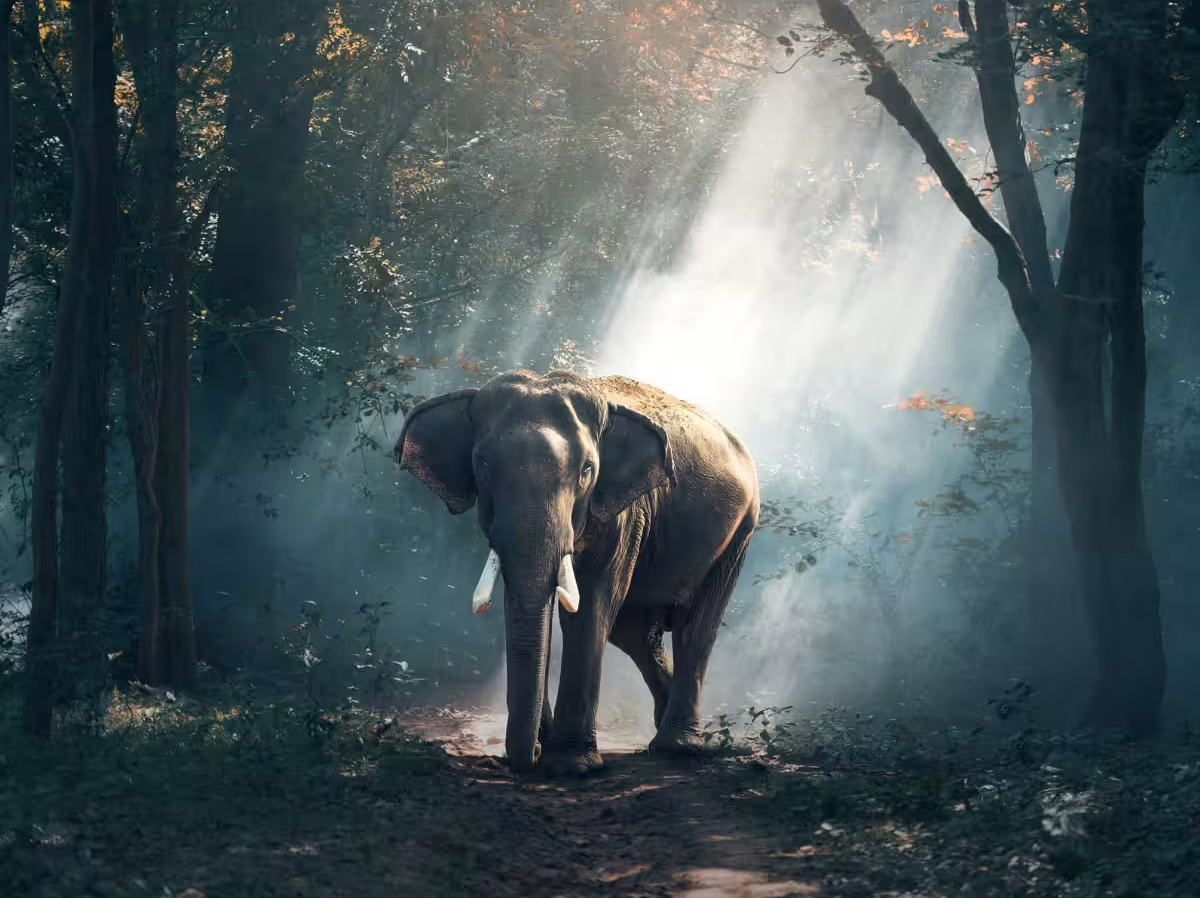
The Asian elephant is native to South and Southeast Asia. India has the largest remaining population of wild Asian elephants and supports nearly 60% of the global wild population.
This makes elephant conservation particularly important for India’s forests and biodiversity.
Elephants are found across several parts of the country, including landscapes in the Northeast, eastern India, central India and southern India. Their habitats often extend across large areas and may cross administrative boundaries.
Because elephants need large home ranges, protecting isolated forest patches alone is not always enough. Maintaining connections between forests is also essential.
Elephant Reserves Protect Important Landscapes
India has 33 Elephant Reserves spread across 14 States.
An Elephant Reserve is a landscape-level conservation area designed to support elephant populations and protect important habitats and movement routes.
These reserves may contain forests, grasslands, rivers and agricultural areas that form part of an elephant’s wider landscape.
Conservation authorities work with state governments and local communities to protect habitats, monitor elephant populations and manage areas where elephants and people come into contact.
The reserve approach recognises that elephants cannot always remain inside a single protected forest. They frequently move across large landscapes in search of seasonal resources.
Elephant Corridors Help Herds Move Safely
Elephant corridors are another important part of conservation planning.
A corridor is a relatively narrow habitat link that connects larger forest areas. Elephants use these routes to move between different parts of their habitat.
India has 150 scientifically validated elephant corridors.
The protection of these corridors is becoming increasingly important as roads, railway lines, settlements, farms and other infrastructure expand.
When traditional elephant routes are blocked, animals may be forced to travel through villages, agricultural fields or other human-dominated areas. This can increase the possibility of conflict.
Maintaining natural movement routes can therefore benefit both elephants and communities.
Project Elephant and Conservation Support
India launched Project Elephant in 1992 as a centrally sponsored scheme for elephant conservation.
The programme focuses on protecting elephant habitats, supporting population monitoring and addressing human-elephant conflict.
State governments receive support for activities related to elephant conservation and habitat management.
Project Elephant has become an important part of India’s broader wildlife conservation system. Its work also connects with landscape-level planning, corridor protection and measures designed to improve coexistence between people and elephants.
Human-Elephant Conflict Remains a Major Challenge
One of the biggest challenges in elephant conservation is human-elephant conflict.
Conflict occurs when people and elephants compete for resources such as land, food, water and movement space.
Elephants may enter agricultural fields while moving through traditional routes or searching for food. Crop damage can create serious economic difficulties for farming communities.
At the same time, people living close to elephant habitats may face risks when herds enter settlements.
Managing this conflict requires more than simply moving elephants away from villages. Long-term solutions can include habitat protection, early warning systems, better land-use planning, rapid response teams and community participation.
Technology and Local Response
Modern technology is increasingly being used to improve wildlife management.
Monitoring systems can help authorities track elephant movements and identify areas where conflict may occur. Early warnings can give local communities time to move to safer locations.
Forest departments and local response teams can also work with communities to manage emergency situations.
Such systems are particularly useful in landscapes where elephant movement is seasonal and predictable.
The focus is gradually shifting toward preventing conflict before it becomes a major problem.
Andhra Pradesh Uses Special Wildlife Teams
Different states have developed their own approaches to elephant and wildlife conflict.
Andhra Pradesh, for example, has used trained kumki elephants and HANUMAN teams for wildlife response and conflict mitigation.
Kumki elephants are trained captive elephants that can assist forest personnel in managing situations involving wild elephants.
Specialised response teams can help forest officials deal with difficult situations while reducing risks to people and wildlife.
Such state-level measures show that elephant conservation requires local solutions suited to the landscape and communities involved.
Protecting Elephant Habitats
Habitat protection remains at the centre of elephant conservation.
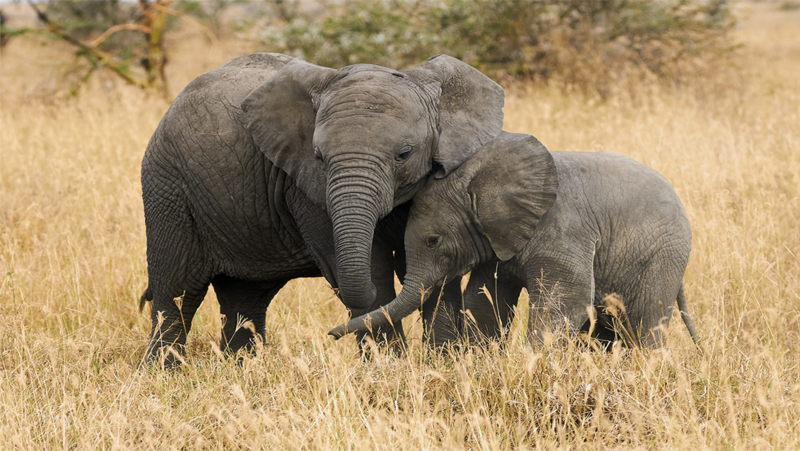
Elephants require access to forests, water sources and sufficient food. Fragmentation of forests can make it difficult for herds to move naturally.
Large infrastructure projects, expanding settlements, mining, agriculture and roads can divide forest landscapes.
Wildlife-friendly planning can help reduce these impacts. Measures such as maintaining forest links, creating safe crossings and protecting important movement routes can help elephants continue to travel through their traditional landscapes.
Conservation planning therefore needs to consider both wildlife requirements and the development needs of local communities.
Elephants as Ecosystem Engineers
Elephants are sometimes described as ecosystem engineers because their activities can change the physical environment around them.
While feeding, elephants can break branches, remove vegetation and create openings in forests. Their movement can also create pathways used by other animals.
Elephants consume fruits and plants and can spread seeds over considerable distances. This contributes to the regeneration of vegetation in some ecosystems.
Their presence can therefore influence many other species.
Protecting elephant populations can have wider benefits for biodiversity and ecosystem health.
Legal Protection in India
The Asian elephant receives legal protection in India under the Wildlife (Protection) Act, 1972.
The law provides a legal framework for protecting wildlife and controlling activities that threaten protected species.
Along with national legislation, conservation efforts involve state forest departments, protected areas, research institutions and local communities.
Effective conservation depends on cooperation among these groups because elephant landscapes often extend beyond the boundaries of individual protected areas.
Conservation and Local Communities
People living near elephant habitats are an important part of conservation efforts.
Communities may experience crop losses and other difficulties when elephants enter agricultural areas. At the same time, local residents often have detailed knowledge of animal movement and seasonal patterns.
Including communities in conservation planning can improve local response systems and build support for wildlife protection.
Measures such as timely information, compensation systems, awareness programmes and safer agricultural practices can help reduce tensions.
The long-term goal is to create conditions where people and elephants can share landscapes with fewer conflicts.
India’s Wider Wildlife Conservation Efforts
Elephant conservation is part of India’s larger effort to protect biodiversity.
The country has developed national parks, wildlife sanctuaries, tiger reserves, biosphere reserves and other protected landscapes for different species.
Many of these areas support multiple threatened animals and plant species.
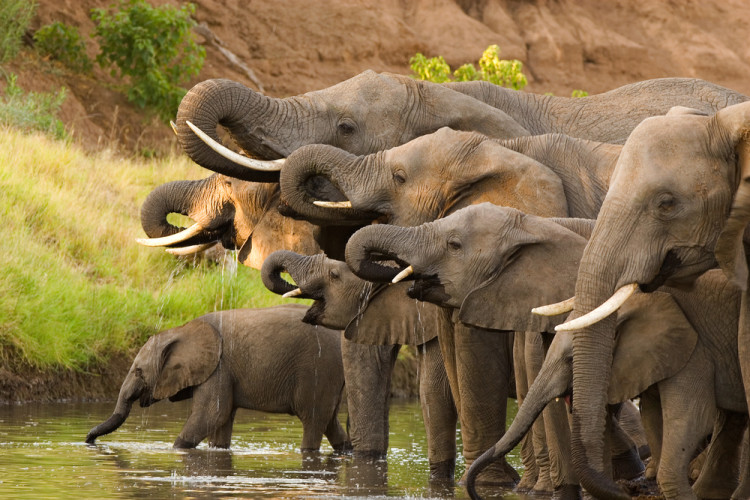
Elephant landscapes are often connected with habitats of tigers, leopards, deer, hornbills and numerous other species. Protecting large forest areas and movement corridors can therefore support a wide range of wildlife.
World Elephant Day 2026 and the Road Ahead
The observance of World Elephant Day 2026 brings attention to the continuing need for habitat protection, corridor conservation and better management of human-elephant conflict.
India’s 33 Elephant Reserves and 150 scientifically validated corridors provide an important foundation for conservation. However, maintaining these landscapes will require continued cooperation between governments, conservation organisations, researchers and local communities.
With nearly 60% of the world’s wild Asian elephants living in India, the country’s conservation policies have importance far beyond its borders. Protecting forests, maintaining elephant movement routes and developing safer ways for people and wildlife to share landscapes will remain central to India’s elephant conservation efforts.