



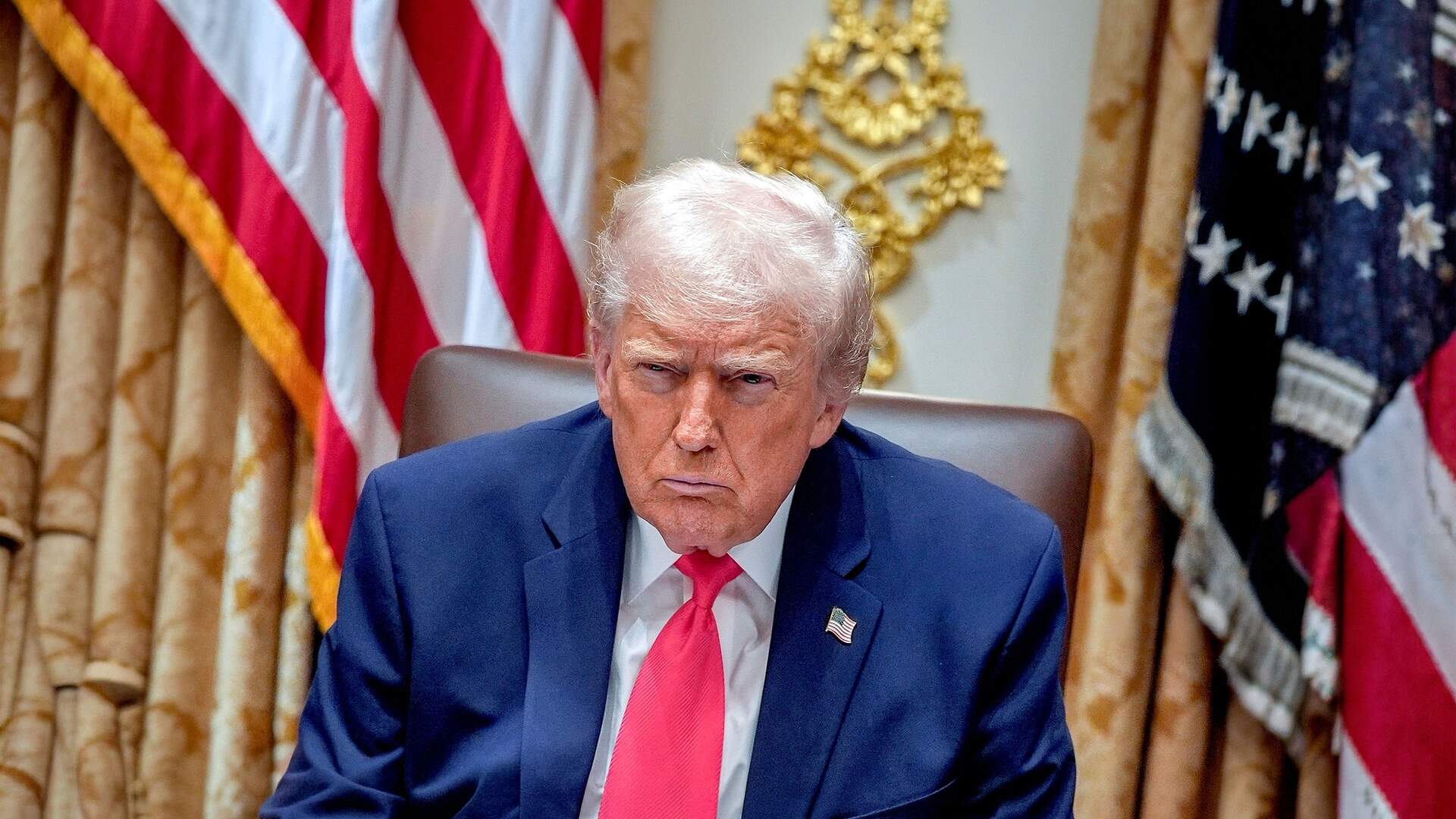
Trump Launches Project Vault: $12 Billion Plan for Critical Minerals

Trump Launches Project Vault, a $12 billion initiative by US President Donald Trump, aims to create a strategic stockpile of critical minerals. The programme is designed to protect American industries from supply disruptions and reduce dependence on China. It reflects growing concerns in Washington about vulnerabilities in defence, technology, and manufacturing supply chains, highlighting the need for a secure and stable resource base for the future.
What Is Project Vault?
Project Vault is a public–private partnership designed to buy and store minerals and rare earth elements essential for modern industries. Announced by Donald Trump at the White House, the initiative combines $1.67 billion in private seed funding with up to $10 billion backed by the US Export-Import Bank.

The minerals targeted include cobalt and gallium, which are crucial for batteries, semiconductors, defence electronics, and jet engines. These resources are considered vital for both commercial and national security purposes, as shortages can disrupt key industries.
How the Stockpiling System Will Work
Under Project Vault, participating companies will commit in advance to purchasing minerals at a fixed inventory price. They will pay upfront fees to secure their share of the stockpile. Based on these commitments, Project Vault will buy and store the required materials.
Firms will also cover a carrying cost that pays for storage and financing. They can withdraw from their allocated stockpile whenever needed, provided they replenish the same quantity later. In the event of a major supply shock, companies may access their full allocation immediately. This system helps reduce price fluctuations while ensuring industries have a steady supply of critical minerals.

Industry Participation and Strategic Focus
More than a dozen major companies have already signed up for Project Vault, including General Motors, Boeing, Stellantis, Google, and Corning. Three global commodity trading firms Hartree Partners, Traxys North America, and Mercuria Energy Group will manage the purchases of raw materials.
The minerals covered by Project Vault are widely used in smartphones, electric vehicles, aerospace components, and renewable energy systems. These sectors are considered strategically sensitive, making the stockpile a key tool for protecting both economic and national security interests.
Why the US Is Acting Now
The US initiative is part of a broader strategy to reduce supply chain reliance on China. Supply risks have increased after Beijing tightened export controls on certain minerals, forcing production cuts in parts of the US manufacturing sector.
Alongside Project Vault, the US government has invested in domestic mining and processing projects. It has also signed cooperation agreements with countries such as Australia, Japan, and Malaysia. These steps are designed to diversify sources of critical minerals and strengthen the resilience of American industries.
The Trump administration plans to promote additional mineral partnerships at an upcoming global summit in Washington, emphasizing the growing geopolitical importance of resource security.
Minerals Key to the Project
Project Vault focuses on minerals that are essential for both commercial and defence purposes. Cobalt and lithium are critical for electric vehicle batteries, while gallium is widely used in semiconductors. Rare earth elements are vital in military systems, electronics, and renewable energy technologies.
Currently, China dominates global processing and supply of several of these minerals. By creating a strategic stockpile, the US aims to reduce vulnerability to international supply shocks and ensure that its technology and defence industries remain competitive.
Economic and Strategic Implications
Project Vault could reshape the way US companies source raw materials. By pre-purchasing and storing minerals, companies gain a safeguard against price spikes and shortages. The public-private partnership model also encourages investment in domestic industries while sharing the financial risk between the government and private sector.
In addition to industrial benefits, the initiative strengthens national security. Many critical minerals are vital in producing advanced defence systems, jet engines, and high-tech equipment. A secure supply ensures that the US can maintain military readiness and technological leadership.
Global Relevance of Project Vault
Project Vault also sends a strong message internationally. By reducing reliance on China, the US is asserting its strategic autonomy in critical mineral supply chains. The initiative is likely to influence global markets and could inspire other nations to create similar stockpiles or invest in domestic mineral production.
As countries increasingly compete for resources essential to green energy and technology, Project Vault highlights the intersection of economics, geopolitics, and national security. It underlines the importance of long-term planning for resource security in an interconnected world.

Strengthening the Future: Trump Launches Project Vault
With Project Vault, the Trump administration aims to secure critical minerals for the long term. The $12 billion initiative combines private and public investment to ensure industries have a stable supply of essential resources. By stockpiling minerals and establishing strategic partnerships, the US hopes to reduce risks, stabilize prices, and maintain its position as a global technology leader.
Through Project Vault, critical minerals will no longer remain a vulnerable link in the supply chain but a strengthened foundation for American industries and national security priorities.